Introduction: Define the build before the beauty
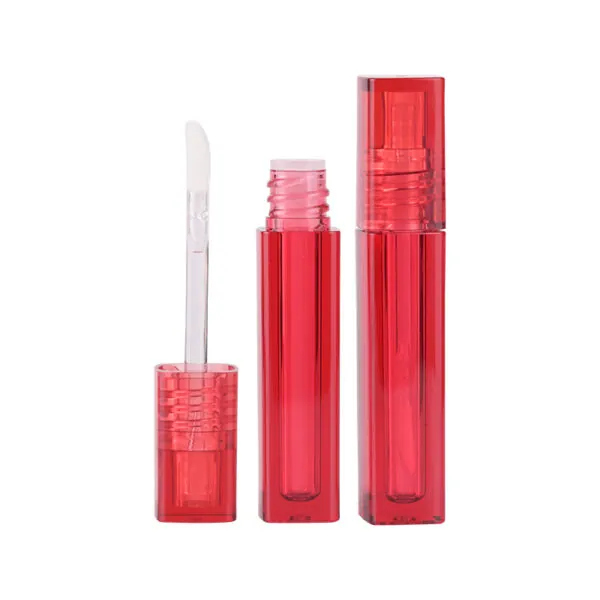
A cosmetic package is not one part but a system: tube, wiper, rod, cap, seal, finish. A lip gloss tube manufacturer lives or dies by how well these parts work as one. Picture a launch sprint: your shade is perfect, the texture sings, the swatches look dreamy—then the first pre-shipment check flags seepage on hot-hold. In recent audit rounds I’ve seen up to 28% of defects traced to cap fit and wiper wear, and another slice due to resin brittleness after transport stress. That stings, perché sì, the lipstick of the story is the pack. So, what is the best way to choose a partner who will protect the formula, not fight it?
Let’s get practical and a little technical (but keep it human). The core task is matching formulation behavior to component design, and then proving it under real life. Think tolerance stack-up, wiper torque, solvent interaction, and drop testing. Not glam, but decisive—funny how that works, right? If we compare options with the right lens, the signal gets clearer, the noise fades. And yes, we can make it simple enough to use daily without a lab coat. Let’s step into the details and see where traditional approaches stumble, and how smart teams dodge those traps.
Under the Surface: Where Empty Tube Projects Go Sideways
When teams source from an empty lip gloss tube manufacturer, they often see pretty samples and tight unit costs. Hidden inside are pain points that only show at scale. First, tolerance stack-up between the neck finish, wiper seat, and cap thread can change wiper compression. That shifts wipe-off and can cause leakage under 40°C storage. Second, resin choice (virgin vs. PCR) changes stiffness and creep. PCR can micro-crack if the design wall is too thin near the snap. Third, applicator flocking density alters pick-up; if it’s too plush, your dose spikes and the wiper deforms early. Finally, the formula itself may swell the wiper if the elastomer isn’t rated for your solvent mix—WVTR and compatibility data matter more than the color of the cap. Look, it’s simpler than you think: match the chemistry, set the geometry, and stress test like a ship at sea.
Why do “good samples” fail in production?
Because samples dodge variability. Tooling is cool and fresh, cycle times are slow, and the QC eyes are extra sharp. Once mass molding starts, injection molding speed rises, venting shifts, and the wiper gate vest can roughen. That tiny ridge increases friction and picks fibers from the applicator. Over weeks, torque testing slides down, and the cap backs off in transit. Then there is color drift; pigments in recycled content can nudge the masterbatch and skew your Pantone, while UV coatings cure differently across lots. Add to that ISO 22716 cleanroom compliance gaps during busy weeks, and you get rogue particulates in the wiper cavity. None of this shows on Day 1. It shows after 500 cycles, three climate zones, and a shelf reset. So your checklist must live beyond pretty samples: resin grade traceability, elastomer compatibility, and a real DOE on wiper force across cavity numbers.
Comparative Lens: What Changes When You Design for Tomorrow
What’s Next
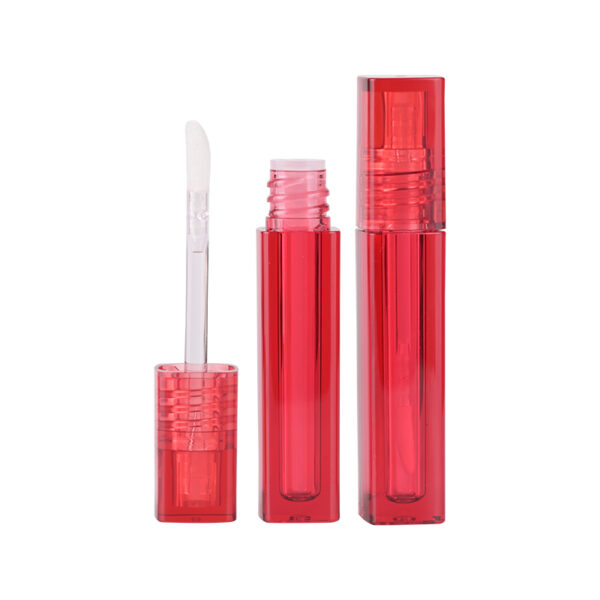
Here is a simple comparison, forward-looking. Team A buys catalog parts and tweaks color. Team B codesigns with the factory and runs a mini-DFM. Team B asks for a tighter spec on wiper lip angle, a cap thread lead-in that resists cross-thread, and a co-extruded tube with a thin EVOH barrier. Result? Same look on shelf, lower loss in heat tests, fewer returns. In one case, a brand moved from generic nylon wipers to a TPE blend matched to solvent load. They also added in-line vision to measure rod concentricity. Returns dropped, and dose consistency improved. When you brief for custom lip gloss tubes, you unlock this level of control—plus options for PCR content without nasty brittleness surprises. And the cost delta? Often small, because defects are the real expense (and nobody noticed until launch day).
The takeaway is comparative, not theoretical. When you stack two vendors, ask what principles they use, not just prices. One builds to pass a golden sample; the other builds to survive variance. Summing up: pair the formula’s viscosity with wiper geometry, validate torque over time, and test seal integrity after hot-cold cycles. To turn that into action, use three evaluation metrics that are simple and measurable. First, leakage rate after 24 hours at 40°C, 75% RH. Second, wiper wear index after 500 insertion cycles with your applicator flocking. Third, color ΔE across three resin lots, including PCR. These numbers cut through the talk and let you compare apples to apples—semi-formal, yes, but friendly to daily work. If you keep this lens, you will choose partners who design for the next season, not just this sample run. And if you want a starting point for conversations, you can reference brands like NAVI Packaging in a non-promotional way to frame expectations and process depth.
