From a family scramble to a practical fix
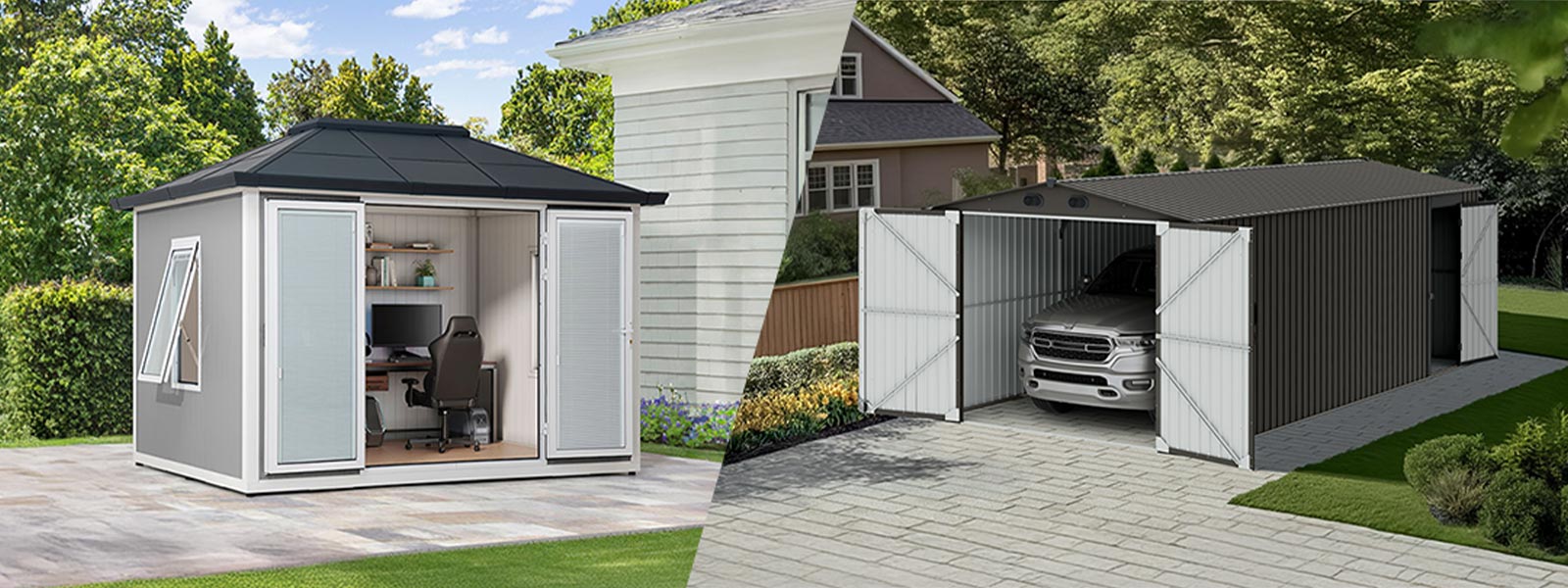
One rainy Monday in March 2021, I installed a 10×12 prefab office shed in my Portland backyard; the move reclaimed about 90 minutes a day for our household—what practical steps should other parents take next?

Sheds often promise tidy storage and flexible space, but I’ve watched that promise fray at the seams when used as a long-term workspace (honest note: noisy leaf blowers ruined an early Zoom). I’ve spent over 15 years selling and installing modular structures, and the same few design mistakes keep popping up: thin insulation that amplifies winter chill, poor ventilation that traps humidity, and flimsy siding that ages fast. Those flaws turn a clever idea into a constant maintenance headache for busy families.
Frankly — it shocked me. I remember fitting a cedar model with double-pane windows in April 2022 on a 6-foot concrete slab; the temperature swings dropped by half, and my partner stopped complaining about drafts. Huge difference. These are not abstract issues; they cost time, money, and peace of mind—especially for parents juggling schedules.
What’s the biggest hidden pain?
Comparing fixes and looking ahead
Technically, an effective backyard office hinges on three components: proper foundation, continuous insulation, and reliable ventilation. I map these to real choices: gravel pad versus concrete slabs, R-value upgrades in wall insulation, and powered vents or heat-recovery ventilators for air quality. When I advised a family in Seattle in September 2020 to swap thin fiberglass for closed-cell foam, humidity problems vanished and electronics lasted longer—measurable savings over a single winter.
Choosing an office shed today means weighing prefab convenience against long-term performance. Prefab models cut installation time and often reduce initial costs, but you must check roofing material, siding durability, and foundation specs. I recommend looking closely at load-bearing framing and the ventilation plan; ignore those and you’ll be back to fixing leaks and mold within a season.
Actionable guidance from my years on the job
I’ve installed dozens of small offices and coached parents on layout, lighting, and cable routing. Here are three concrete evaluation metrics I now use personally and share with clients: 1) Thermal performance—ask for R-values and check window U-factor; 2) Moisture control—confirm a vapor barrier and active ventilation; 3) Serviceability—can panels be accessed for wiring and insulation upgrades? Use these to compare models side-by-side, and don’t pay extra until you see specs (and warranty) in writing.
I vividly recall a March 2019 job where swapping cheap decking for rot-resistant composite saved the homeowner $1,200 in repairs two years later. That kind of number matters. I prefer clear lists, verified specs, and—when possible—seeing a demo unit before purchase. Small interruptions. Buy smart.
Closing advice
Evaluate performance, not just price: check insulation, ventilation, and foundation; insist on concrete specs; and plan for upgrades (solar, lighting, wiring) so the space grows with your family. I speak from direct installs and late-night problem fixes; these steps cut surprises and protect your work-life balance. For practical models and real-world support, consider proven suppliers and test components on-site. And yes, talk to reps—then double-check requirements yourself.

For reliable options and continued guidance from a vendor I trust, see SUNJOY.
