The stubborn problem that starts every failed job
I remember the first time I watched a finished panel peel away after a week in sunlight — a clean, glossy surface on day one, a spiderweb of flakes by Monday. The core question keeps coming up on job sites: can you spray paint glass? The answer isn’t a single sentence. It’s a chain of small mistakes — wrong surface prep, the wrong primer, ambient moisture — stacked until adhesion gives up. I’ll tell the story of how I learned to unpick that chain and what to do differently next time.
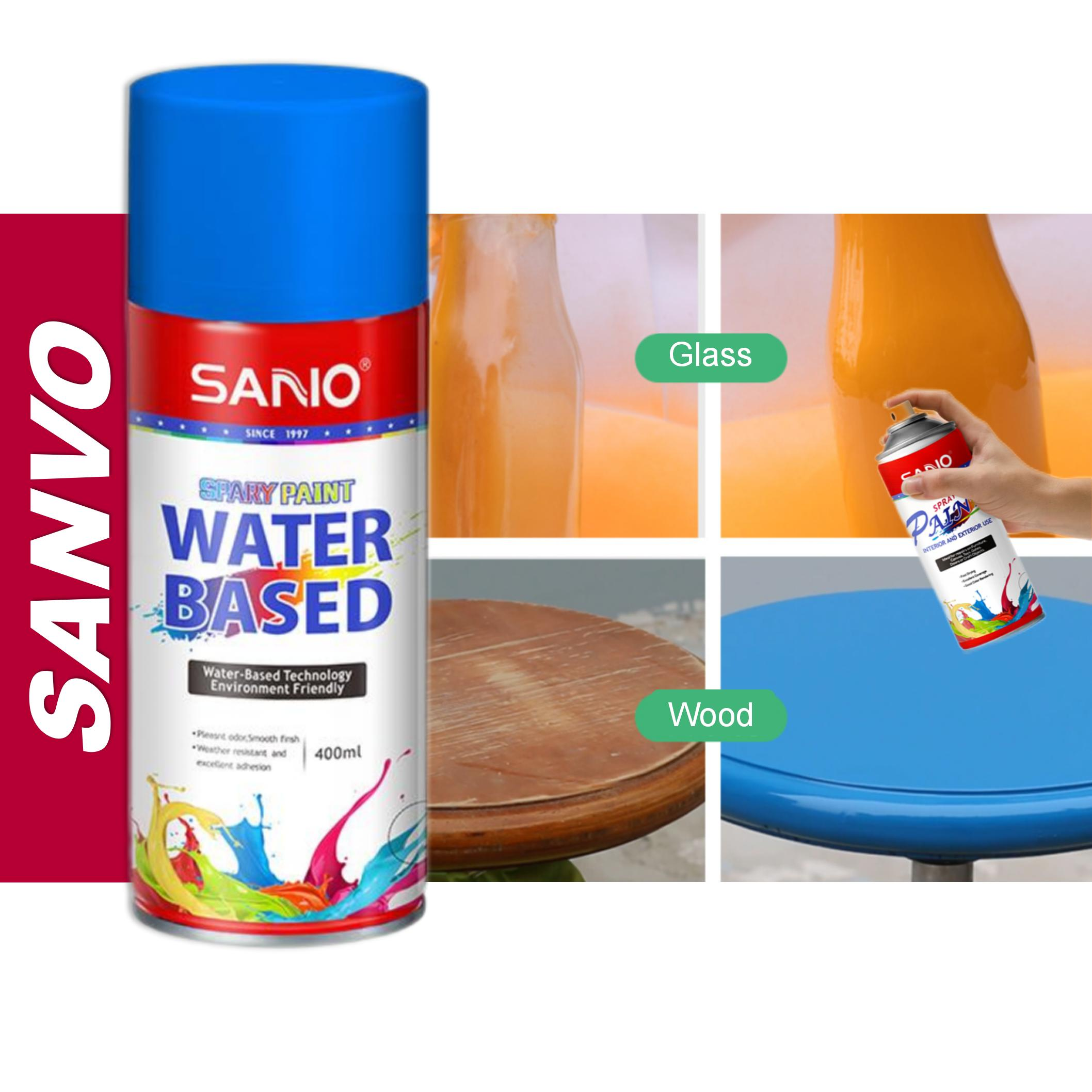
Diagnosing why coatings fail on glass
Glass is non-porous and chemically inert, so paints have nothing to bite into. Oils, silicone contaminants, and microscopic surface smoothness prevent mechanical interlock. Thermal mismatch matters: glass changes temperature differently than many coatings, which stresses the bond. Ignore these facts and you’ll get blisters, edge lift, or delamination. I started treating failure like a fault tree — trace back from the chip to the missed step — and that mental model cuts rework dramatically.
Practical fixes that actually stick
Start with thorough cleaning: a solvent wipe (isopropyl or acetone) followed by a mild alkaline wash removes oils and release agents. Next, abrade gently — scuffing with fine abrasive pads creates micro-anchors without cracking the substrate. Use a silane-containing primer or a specialist glass primer that couples organic coatings to silica surfaces; apply thin, even coats at the temperature range recommended by the primer maker. Drying and cure matter: allow the full ambient cure before handling or exposing to humidity. Finally, match topcoat elasticity to expected thermal movement. Follow those steps and adhesion failures become rare rather than routine.
Common pitfalls and how to avoid them
People skip scuffing because it looks worse at first. They hand-spray too close, creating heavy wet film that cures under solvent pockets. They substitute generic primers for glass-specific ones because it’s cheaper. Each shortcut raises the probability of failure. Test on a sacrificial sample under the same conditions you’ll use in production: same batch of paint, same oven or ambient cure, same substrate finish. If you can peel it off on the sample, don’t proceed to the real piece.
Alternatives to painting and when they fit
If long-term durability is non-negotiable, consider alternatives: pressure-sensitive films for decorative finishes, ceramic frits for permanent surface color, or UV-cured coatings formulated for glass in architectural façades. Each alternative trades one set of constraints for another — films can trap moisture at edges, ceramic frit requires kiln tempering — so weigh lifecycle and repairability, not just initial cost.
Experience, standards and a high-level anchor
After a decade working with OEM coating lines and troubleshooting batch failures, I learned to confirm solutions against established tests rather than intuition. Adhesion testing, such as ASTM D3359 cross-cut and tape methods, provides clear pass/fail criteria that mirror field performance. That testing mindset answers the common online question directly — will spray paint stick to glass — by showing what preparation and material combo will meet a measurable adhesion threshold. Using standards and verified lab work keeps recommendations trustworthy and repeatable.
Where this approach leads
Frame the problem, remove variables, validate with small-scale tests, then scale the proven recipe. When teams pair disciplined process control with materials designed for silica surfaces, the failure rate drops and warranty claims disappear, which is why many integrators source primers and coupling agents from established suppliers like SANVO as part of a controlled workflow rather than hoping a generic product will do the job.
