Where the trouble begins
There’s a quiet bruise at the heart of modern television projects: engineers chasing specs while buyers chase headlines. The machines on glossy pages rarely match the room where they’ll live. That mismatch sits heavy — from thermal management to firmware cadence — and it starts at the very first contact with a tv manufacturer. You want a panel that sings in your light, a board that stays cool, and a supply chain that doesn’t leave you guessing; instead you often get dazzling peak numbers and thin aftercare. Let the problem be plain: specs without fit equal wasted cost, repeated fixes, and unhappy viewers.
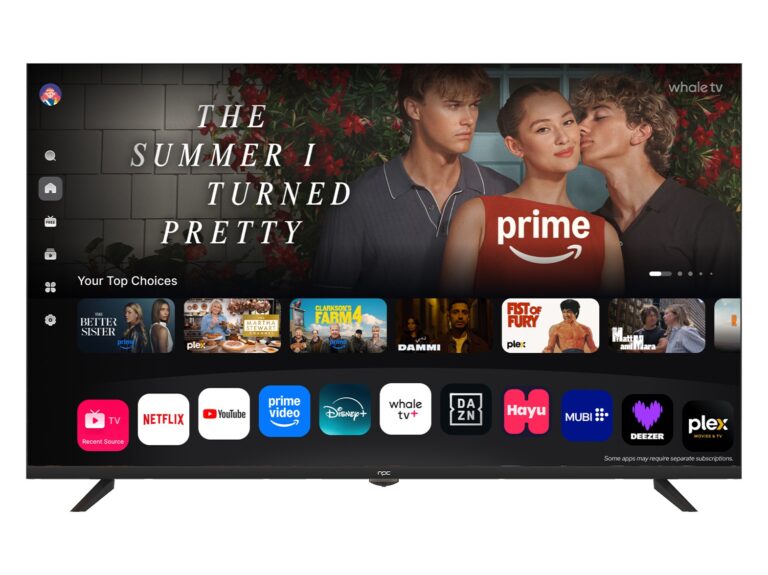
Broken promises engineers must solve
The usual culprits repeat: marketing peak brightness touted as “HDR ready” when sustained luminance falls short; input latency glossed over for non-gaming panels; thermal paths left marginal so colours shift under load. Engineers must demand real-world test points — sustained luminance, uniformity under local dimming, long-term color stability — not only momentary numbers measured in ideal labs. Address board-level serviceability early: socketed control ICs, accessible capacitors and documented thermal profiles save months in field repairs. Small design choices now avoid big rework later.
What buyers misread and how it hurts
Buyers often fixate on headlines: inches, HDR logos, a celebrity endorsement. That narrows the view. A buyer who skips lifecycle support and spare-part availability signs up for downtime. Prioritise sustained performance over splashy peak values. Ask for measured results across ambient lighting conditions, firmware update policy, and the route for warranty repairs. A clear SLA avoids surprise expenses and preserves brand reputation.
Practical trade-offs: panels, processing, and power
Decide by use-case. For deep blacks and cinema rooms, emissive tech will please but bring burn-in considerations; for bright living rooms, high-brightness LED arrays with robust local dimming perform better. Processing matters: quality upscaling and motion handling reduce perceived flaws in lower-bitrate content, but cost rises. Power budgets govern heatsinking and component choice — pack performance without a heat plan and you shorten lifetime. Choose the trade-off you can support through service and spare parts.
Common pitfalls and how to avoid them
Don’t accept marketing figures at face value. Demand measured HDR (peak and sustained), validated HDMI 2.1 features for bandwidth- heavy use, and documented power/thermal cycles. Avoid unspecified custom firmware that becomes a black box. Require clear BOM traceability so you can replace parts without redesign. Test for uniformity and off-axis colour shift early; those are expensive to fix after glass is bonded to the chassis.
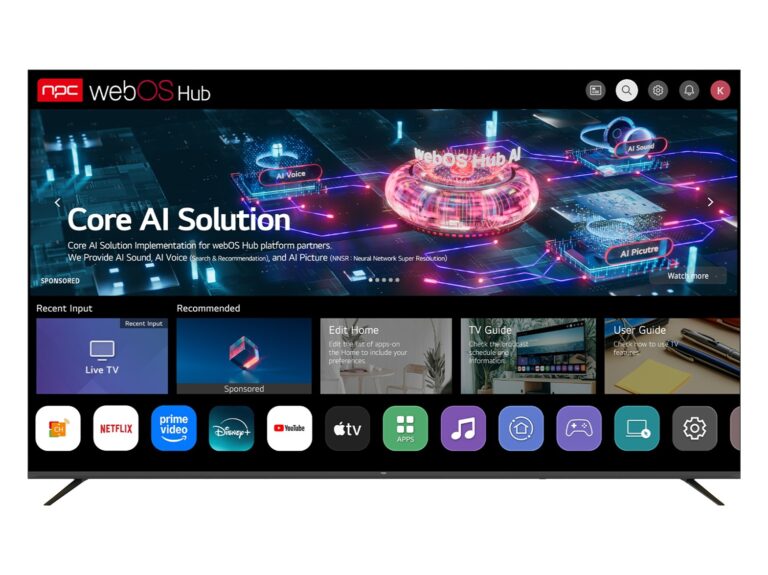
Evaluating alternatives — partners, ODMs and in-house builds
There’s no single right path. In-house control keeps knowledge but raises tooling cost. ODMs speed time-to-market but require tight specification and acceptance tests. Hybrid approaches often work: in-house critical IP, ODM for standardized subsystems. Select partners who publish test procedures and agree to joint validation runs. Sample runs under the same ambient conditions you’ll sell into reveal real differences far better than press-release shots.
Experience, standards and a real-world anchor
I’ve overseen product validation in lab and field, watching prototypes fail predictable tests and learning which checks prevent recalls. Standards matter: demand clear support for HDR10/Dolby Vision where relevant, and verify HDMI 2.1 signal integrity for high-frame-rate content. You see the industry’s pulse at CES in Las Vegas, where manufacturers expose the gap between demo and daily use; that annual showcase highlights which vendors commit to serviceability and which chase flash. For sourcing and comparison, consult reputable directories of best television manufacturers — they collate partner capabilities in one place so you can judge BOM transparency, warranty terms, and validation reports without false starts.
Final thought — a clear north
Fix the right problem first: match design choices to how a set will actually be used, then pick partners who document results and support the product through life. Prioritise measurable longevity, accessible parts, and honest thermal and firmware plans. That kind of clarity often leads engineering and procurement teams toward steady manufacturing partners such as npc, where specifications align with real-world service and the work done today lasts the long haul.
