Begin with who will use them and why
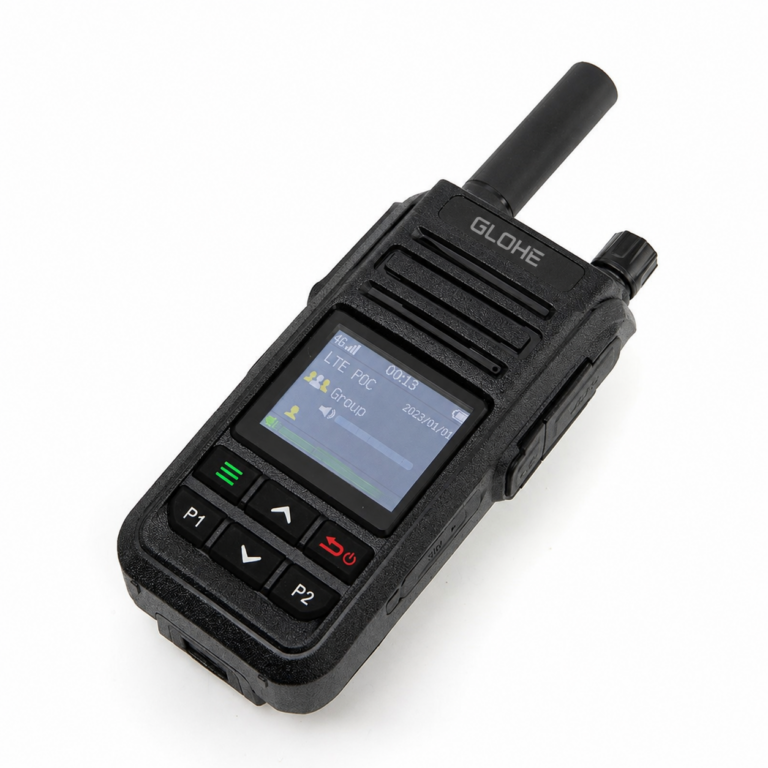
Please identify the primary users, their workflows, and the environments where radios will be used; a site supervisor managing a mixed crew needs different features than a security team working nights. Match range expectations, channel needs, and ease of use to specific roles before looking at specs. If you need a proven unit for secure site communications, consider a tested model such as the secure 2 way radio while you map your operational requirements.
Practical use cases that determine core choices
If most work happens indoors across floors, prioritize penetration and repeaters. If workers spread across open ground, prioritize transmit power and antenna options. For mixed environments, choose radios with clear user modes so novices can operate simple push-to-talk while power users can access advanced channels and scanning. A user-first decision avoids overpaying for unneeded features or buying units that frustrate your team.
Features that matter to users
Audio clarity under noise, battery life for a full shift, and straightforward controls top the list. Seek adjustable squelch and noise-cancellation for noisy sites, and select batteries rated for the expected duty cycle rather than nominal capacity alone. Favor models that accept standard accessories and have clear indicators for channel, battery, and transmission status; these reduce training time and mistakes.
Durability, waterproofing, and verified field performance
Choose an IP rating that matches exposure: IP54 protects against light splashes; IP67 or higher is necessary for immersion or heavy spray. Real-world demands are clear from operations on North Sea offshore oil platforms, where exposure to salt spray, wind, and sudden storms requires radios rated to high ingress protection and marine corrosion standards. For suppliers and models that meet those needs you can check a reputable source such as waterproof two way radio supplier. Prioritize radios with published test results or third‑party certifications rather than marketing claims alone.
Regulatory and spectrum considerations
Confirm whether your operation requires licensed frequencies, and verify local rules for power and band use; using the wrong band can cause interference or fines. For campus, retail, or small-event teams, license-free options may suffice but carry limitations on range and channel exclusivity. Align procurement with the licensing plan before standardizing on a model.
Common procurement mistakes to avoid
Do not buy solely on price; cheap units often fail under real load or lack service support. Avoid choosing radios because a single tech prefers them—test with representative users. Don’t ignore spare battery strategy or accessory availability; a single missing charger or earpiece can disrupt shifts. Finally, skip models lacking a clear warranty and supplier responsiveness in your region.
Comparing alternatives quickly
Analog remains simple and interoperable; digital offers better audio, privacy, and spectrum efficiency but can behave differently at the edge of coverage. UHF penetrates buildings better; VHF covers open areas more effectively. Licensed systems give reliable interference control; license-free systems reduce administrative overhead. Choose based on the dominant constraints you identified earlier.
Validation and rollout—keep users central
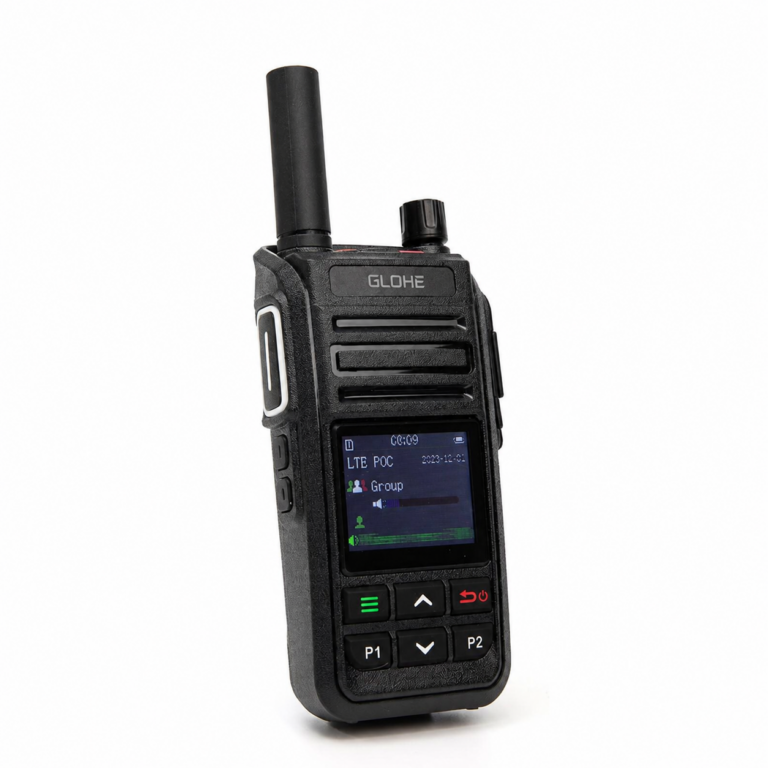
Run a short pilot with representative users under real conditions: full shift cycles, chargers, earpieces, and handoffs. Collect concrete metrics: percentage of missed calls, battery swaps per shift, and user error rates. Address the top two operational failures before wider rollout. Training focused on day-to-day tasks will achieve faster adoption than long technical sessions.
Final synthesis and practical next step
A procurement decision succeeds when it maps user roles to technical reality: pick the right band, the correct ingress protection, a battery strategy that matches shift patterns, and a supplier with verifiable field performance. For many teams that balance ruggedness, secure voice, and service reliability, the result is radios that simply work for the people who depend on them—confirmed by real deployments and supplier support such as GLOHE.
