
Why this is a problem worth fixin’
Folks running cold chain fleets keep hittin’ the same wall: shipments show up warm, paperwork says everything’s fine, and nobody can pin down where the failure happened. That disconnect between sensors, drivers, and dispatch is the real headache. If you handle anything from pharma to frozen food, or even run school bus fleet management on the side, you know raw data without the right reporting is worse than no data at all. In big metro areas like Los Angeles County, traffic and stop-and-go routes make maintaining a steady temperature tougher, and that’s where clear, trustworthy telemetry and tracking actually matter — same tech that supports gps tracking for school buses helps fleet teams spot trouble fast.

Core problems you’ll want your reports to solve
Start by naming the failures you need to stop. Reports should do these four things plain and simple:- Show when and where temperature excursions happen so you can blame cause, not guess.- Tie driver actions and route events to those excursions — timestamps matter.- Flag non-compliance instantly instead of burying it in end-of-day spreadsheets.- Give ops a digestible view: what needs fixing now, what needs follow-up later.
Exact metrics to track — no fluff
Here’s what to capture every single run:- Temperature min/max and time-stamped excursions (with duration).- GPS breadcrumbs — location + speed + heading at frequent intervals.- Door state and cargo compartment status.- Dwell time at stops, loading/unloading durations.- Route variance from planned path and delays caused by traffic or breaks.- Driver ID and shift timestamps tied to each event.- Alarm acknowledgements: who saw the alert and what action they took.Track these with uniform timestamps and immutable logs so audits don’t turn into guesswork.
How to collect data that tells the truth
Mix short-interval sensors and resilient telematics. Sample temperature often (every 1–5 minutes for sensitive loads). Pair that with GPS every 30–60 seconds on city runs, longer on highway legs. Pull these elements together:- Local caching on the device so brief dead zones don’t create gaps.- Automatic sync once connectivity returns.- Encrypted storage and signed logs to preserve integrity.- Lightweight edge rules to reduce false alerts (e.g., ignore brief spikes during door openings if the door sensor context matches).I’ve seen fleets save hours a week by swapping ad-hoc spreadsheets for consistent sampling and automated syncing.
Reporting that people will actually use
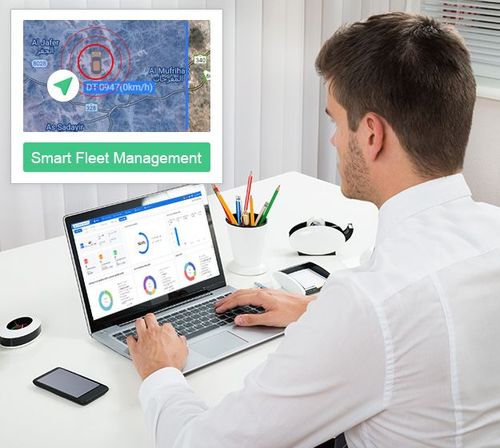
Build reports for each role, not one-size-fits-all:- Drivers: a tidy trip summary with any quick fixes they need to note.- Dispatchers: live alerts and a simple map overlay of problem runs.- Operations managers: trend charts showing recurring hotspots by route or vehicle.- Compliance: immutable exportable logs with signatures for audits.Keep visuals simple — a clear excursion timeline and a map pinning where it began does more than a 20-page PDF ever will.
Common pitfalls and how to dodge ’em
Watch for these traps:- Too much raw data: don’t dump everything into a spreadsheet. Pre-process and surface what matters.- Siloed systems: if temp, GPS, and logs live in separate tools, you’ll chase ghosts. Integrate or use a middleware layer.- Alert fatigue: tune thresholds and add context so teams only act on meaningful alarms.- Poor timestamps: mismatched clocks between devices ruin investigations — enforce NTP sync across devices.Fix these and you cut investigation time and reduce product loss.
Making decisions from the data
Decisions should follow clear triggers. For example, a >2°C excursion lasting over five minutes and occurring more than three times in a month on the same route deserves a route redesign and a vehicle check. Use simple rules first, then add machine patterns to spot subtle failures — but don’t skip human-verifiable checkpoints for critical outcomes.
Bringing it together
If you want fewer spoiled loads and fewer post-delivery disputes, make your telemetry honest, your alerts meaningful, and your reports role-focused. Tie temperature to time and place, tie that to who was in the cab, and feed it into a single, auditable stream — that’s how you cut repeat mistakes and actually fix problems. Folks who’ve swapped piecemeal tracking for a unified approach often point to clearer decision-making and faster corrective action, and that kind of practical gain is exactly what BSJ aims to deliver without making you wade through more noise than you started with.
