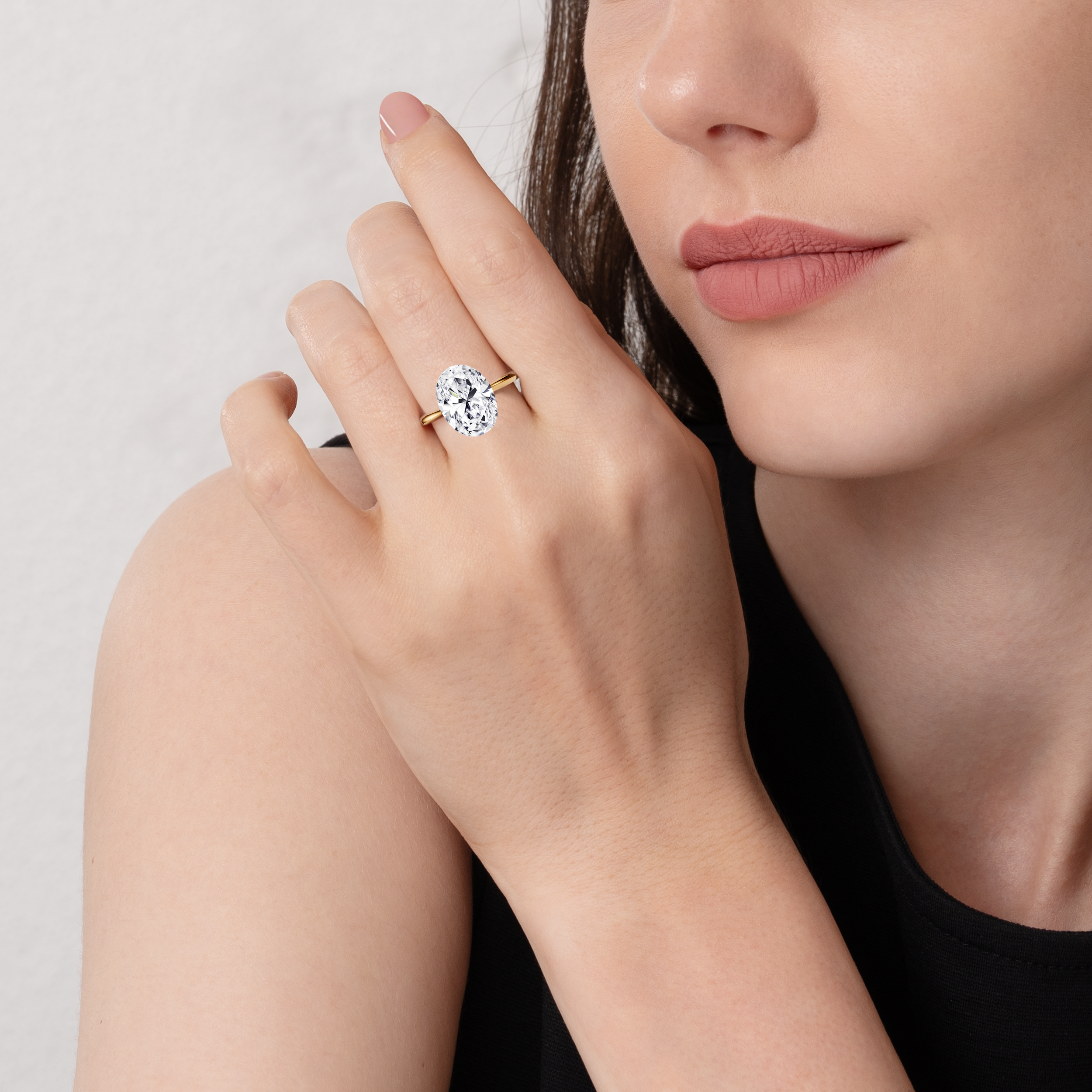
Introduction: Framing the Choice with Clear Criteria
Style is not only about looks; it is a system that balances form, comfort, and daily wear. Lab grown diamond engagement rings fit that system with high clarity and precise cut control. When you compare engagement ring styles, you are really choosing how the diamond sits, how light returns, and how the ring behaves over time. In technical terms, the setting amplifies the 4Cs, interacts with the girdle and pavilion, and changes how the stone resists knocks and oils. Now picture a winter proposal, gloves on, a quick slide of the band—smooth, safe, calm (not a snag in sight).

Data helps. CVD growth yields consistent crystal orientation, and HPHT post-growth finishing can tighten color bands. That means styles can be tuned with accuracy. A cathedral puts more metal under stress points; a bezel shields the crown; a solitaire frees light paths. But which trade-offs fit your life—today and five years ahead? The question is not only “Which shape looks best?” It is “Which architecture will perform best for my day-to-day?” — and yes, it matters. Let’s map the gaps, then move toward the better fits.
Part 2: The Real Frictions Behind Style Choices
Where do buyers stumble?
Here is the quiet truth: the pain shows up after the proposal. A tall pavé halo looks radiant, but micro-prongs can catch knitwear. A knife-edge band feels sleek, yet it can press the finger on cold days. Look, it’s simpler than you think. Most issues trace back to contact points and height. Low-set bezels reduce snag risk, while cathedral shoulders add support to the head. Prong profile and seat depth affect how the girdle is held; shallow seats can loosen with knocks. Fluorescence is not a flaw, but in some lighting it can haze a very open solitaire. Small details, big difference.
Maintenance is the other friction. Pavé needs regular checks. Hidden dirt under a gallery affects brilliance by blocking return light. Oval and pear stones may show “bow-tie” if facet patterning is not balanced; the style can hide or reveal it. Comfort matters, too. Euro-shank bands resist spin, helpful for larger carat spread. Metal choice sets daily wear: platinum work-hardens; 14k gold is lighter. And sizing? High domed bands are harder to resize without warping the profile. These pain points are not deal-breakers. They are design signals—clues to match your style to your routine.

Part 3: Looking Ahead with Smarter Tech and Clear Trade-offs
What’s Next
The good news: new design tools make the trade-offs clearer. Parametric CAD models let a jeweler dial prong thickness, seat angle, and head height in small steps. Finite checks (simple stress tests, not rocket science) show where a prong might bend. Optical mapping guides facet alignment so your lab-grown center has stronger light return in real rooms, not just a showroom. This is where a bezel, a cathedral, or a hidden halo engagement ring can be built with a lower snag profile yet higher fire. Cleaner galleries improve wash-through, so weekly rinses actually work—funny how that works, right?
Compared with traditional guesswork, you now get measured choices. A low-taper solitaire keeps brilliance high and avoids glove snags. A petite halo can shift head mass inward, improving balance on slim fingers. Micro pavé can be reinforced without looking bulky. From the earlier pain points, we can read a pattern: height, contact points, and maintenance drive most outcomes. So here is a simple, advisory checklist to finish: 1) Durability metrics—prong gauge, seat depth, and band hardness for daily wear. 2) Optical metrics—facet symmetry, table alignment, and how the style frames the crown for strong light return. 3) Comfort metrics—setting height in millimeters, band profile, and spin control on your finger. Use these to compare styles side by side, calmly and clearly. For further specification support and style options, you can explore makers like Vivre Brilliance.
