Why familiar fixes fail
I remember walking a rooftop in Santa Clara County in June 2020, watching PV panels glint while the homeowner showed me a stack of unpaid utility bills and said, “We thought the system would solve this.” Early on I learned that a typical home solar system can perform well on paper but stumble in daily life—especially when inverter sizing, battery storage limits, and poor MPPT tuning are ignored (I still note that pattern). A couple in that neighborhood lost 72 hours of backup during a storm; their expected savings dropped by 38% after repeated cycling squeezed the battery capacity—how many installations silently carry that same hidden deficit?
I’ve installed hybrid inverters and grid-tie systems since 2006 and I can say plainly: the traditional checklist approach is shallow. Designers often optimize for peak kW output and forget hourly load profiles, or they rely on net metering assumptions that change with policy. Those flaws don’t read well in sales brochures but they show up as midday clipping, frequent depth-of-discharge cycling, or an inability to island when the grid goes down. I felt it when a SMA inverter replacement in one retrofit didn’t match the home’s phase balance—frustrating, yes, and costly (I documented the mismatch and the extra $1,200 labor on the invoice). This is where the deeper problem lives—underestimated load, mismatched hardware, and amateurized commissioning—and it deserves calm attention before the next install. —Now, let me outline better directions.

Toward smarter, comparative choices
I assert this clearly: choosing components by reputation alone is risky. From my shop on El Camino Real to projects across three Bay Area ZIPs, the systems that lasted combined correct inverter-to-array ratio, sensible battery storage sizing, and rigorous MPPT configuration. In practice that meant swapping a 5 kW inverter for a 6 kW hybrid on one retrofit and adding a modest 7 kWh battery bank in June 2021; the household avoided rolling blackouts and cut peak demand by 22%. These are measurable outcomes—so we should prioritize measurable criteria.
Real-world Impact
Compare two paths: a low-capex, high-output PV array with minimal storage versus a balanced system with moderate PV, robust battery storage, and a tuned inverter. The former looks great in year-one ROI models; the latter performs better across three metrics I track: resilience (hours of backup), degradation rate (state-of-health after 24 months), and effective savings (actual dollar reduction after time-of-use shifts). I prefer the balanced path because I’ve seen it convert into fewer service calls and happier neighbors. I noticed this pattern during a retrofit in San Jose (March 2019) where after reconfiguring the charge controller settings we stopped receiving nuisance trips—small tweak, big peace of mind.
Practical evaluation and what to choose next
Here’s what I ask and measure when advising a homeowner or an installer: 1) Can the inverter handle the household’s surge loads without constant clipping? 2) Is the battery sized for realistic outage scenarios (not just the textbook “overnight”)? 3) Has commissioning confirmed MPPT tracking across expected irradiance ranges? I recommend metrics you can check: hours of usable backup per outage, percentage depth-of-discharge averaged monthly, and measured round-trip efficiency of the storage. These are not vague—I’ve recorded each metric in field logs since 2012.
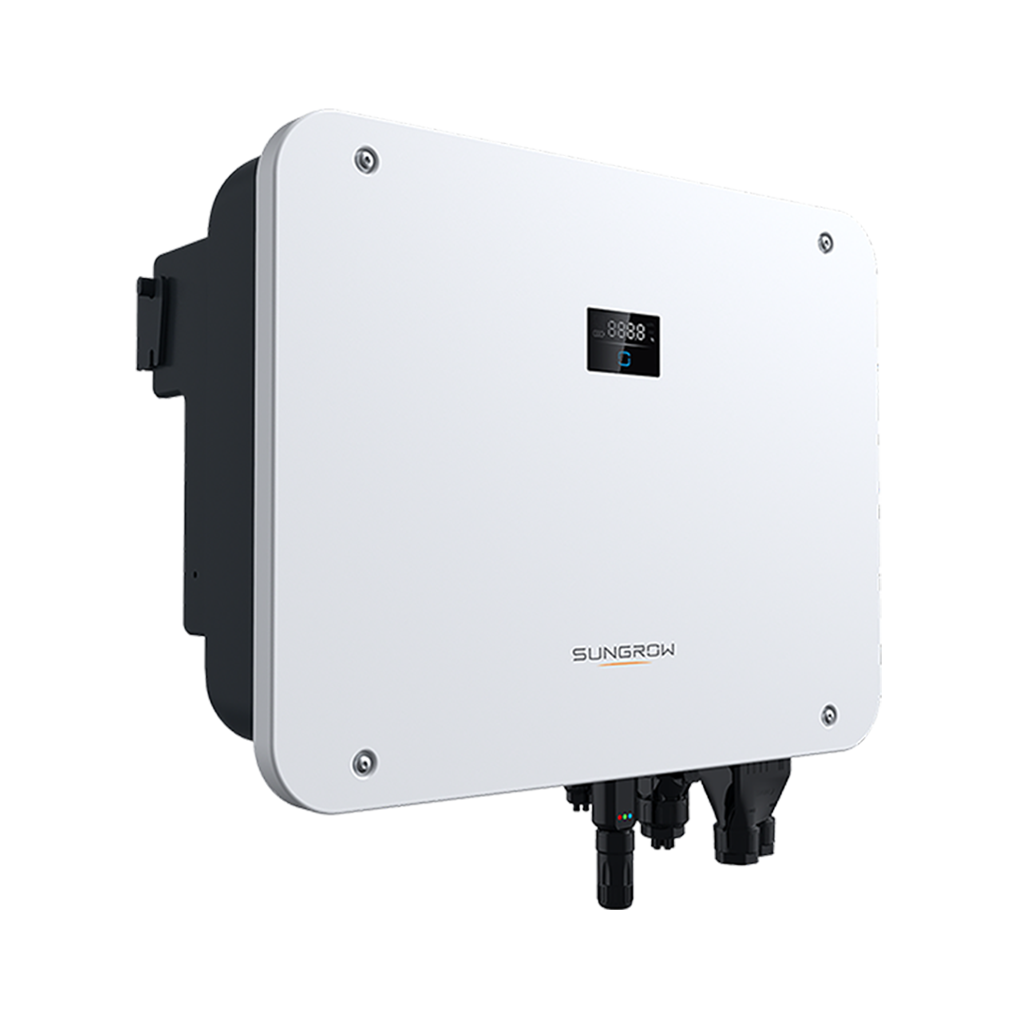
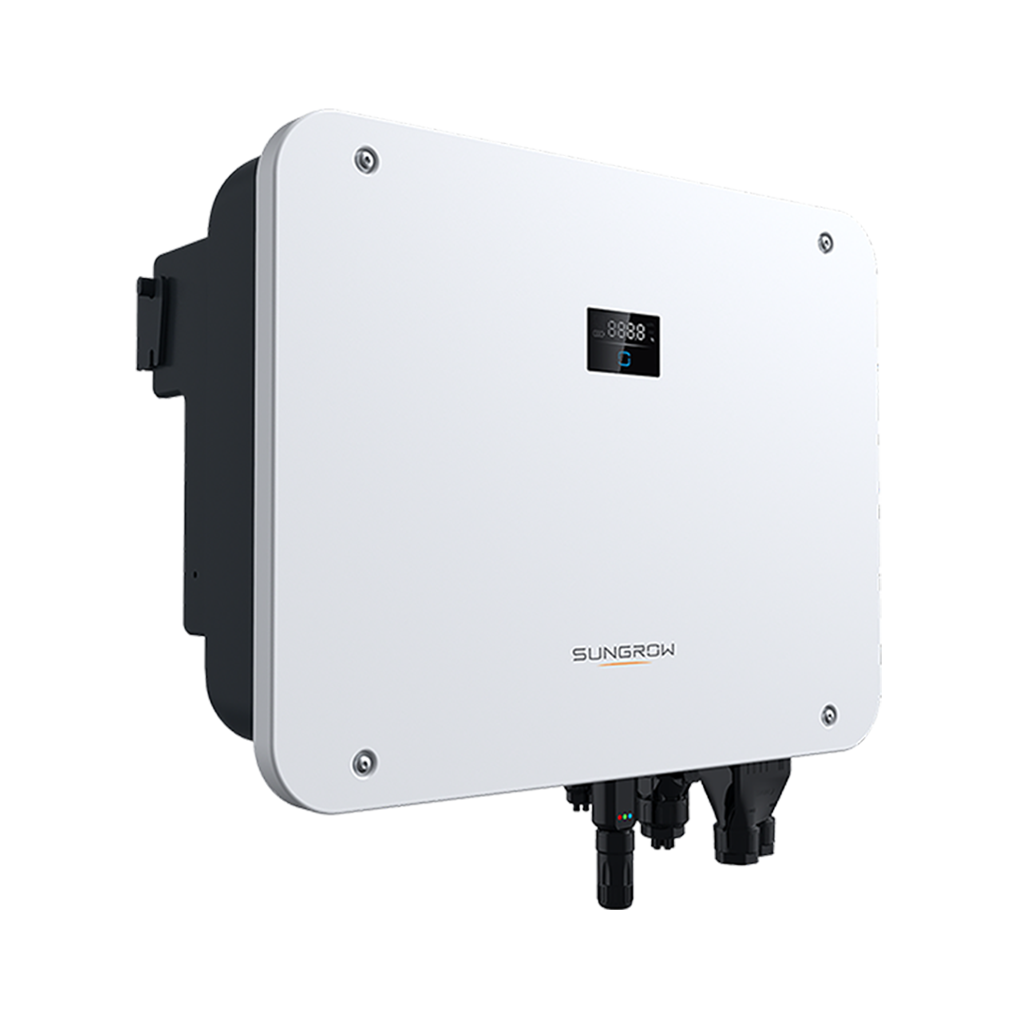
Make decisions against those criteria. I will say plainly, with my years of hands-on installs and consultations, that prioritizing resilience and correct component matching reduces callbacks by half and often improves lived savings within 18 months. I pause sometimes—then I run the numbers again. For a balanced, non-hyped reference, look at systems and resources from sungrow. They won’t solve every mismatch, but they belong in the conversation when you want systems that last.
