Why this comparison matters
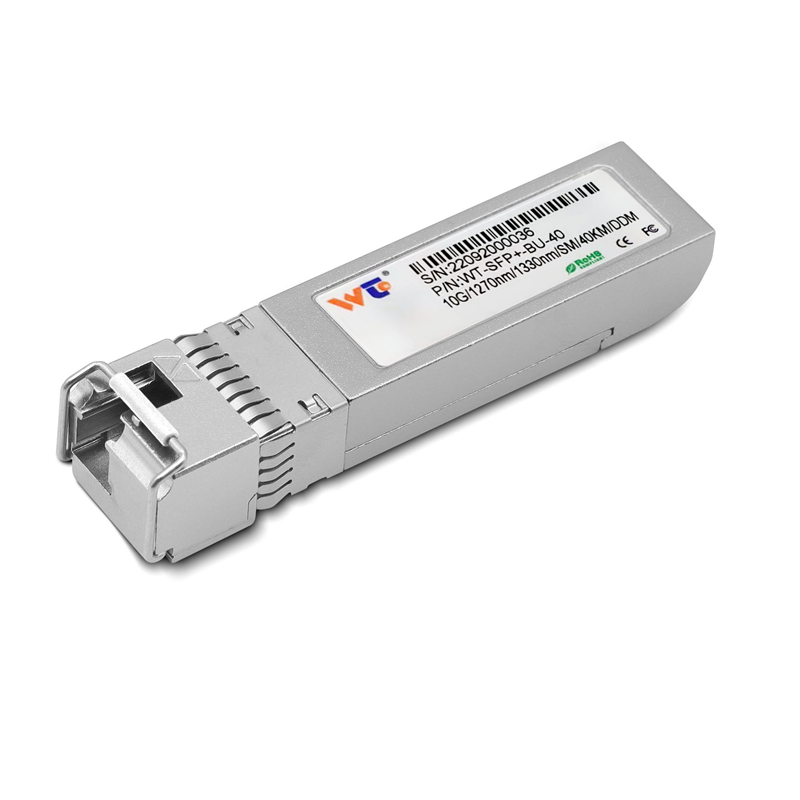
Comparing coherent transceivers and fixed-filter QSFP28 ZR4-style optics is more than vendor marketing — it’s about matching tech to a regional enterprise’s real needs. Since the 2020 remote-work surge, organizations from New York trading firms to London back offices found their metro and regional links strained, driving decisions between complex coherent gear and simpler fixed-filter modules. For many 10G edge and aggregation links, a smart, budget-aware purchase starts with a clear view of the use case and whether a 10g sfp+ transceiver or a higher-capacity optical module really fits the network design.
What coherent transceivers bring
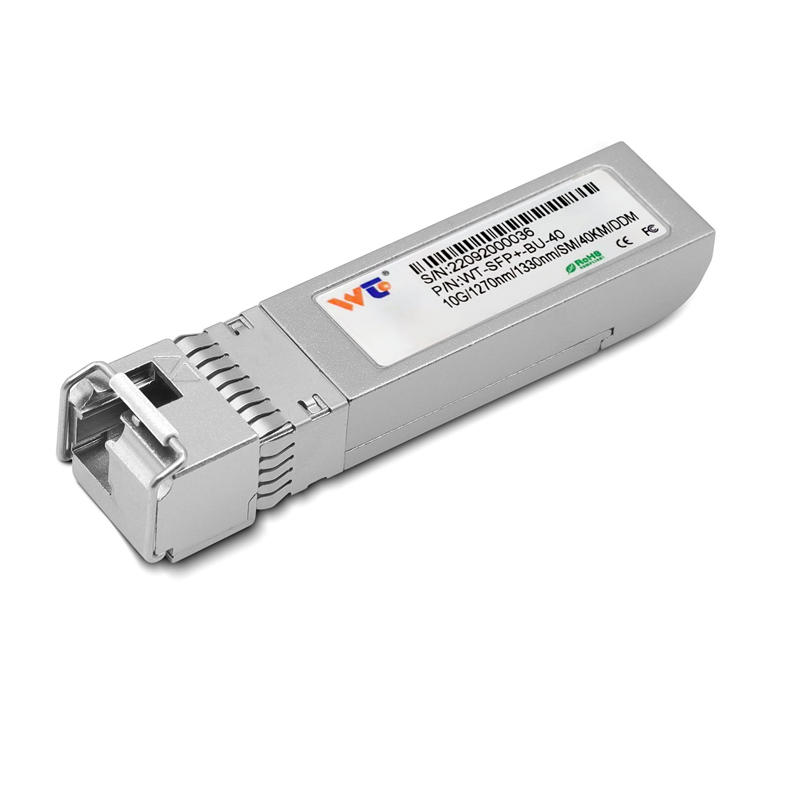
Coherent optics excel where long reach, high spectral efficiency, and robust tolerance for dispersion matter. They use advanced modulation and digital signal processing to squeeze more bits per wavelength and to correct impairments on long single-mode runs. For metro DWDM segments or when operators need flexible wavelength assignment, coherent modules reduce the need for regeneration. Expect higher power consumption and cost, but also the ability to deliver consistent bitrate over congested fiber paths and varied link conditions.
What fixed-filter QSFP28-style optics bring
Fixed-filter optics like ZR4 variants target predictable, shorter-regional spans with simpler deployment. They typically rely on fixed wavelengths and standard multiplexing across single-mode fiber, keeping things lower-power and cheaper than coherent gear. For an enterprise needing straightforward 100G trunking or 10G aggregation using QSFP platforms, fixed-filter modules minimize operational complexity — fewer DSP settings to tune, less integration work, and straightforward wavelength planning.
Fit-for-purpose checklist
Pick based on the environment, not the shiny features. Key factors to weigh:
– Reach and fiber type: single-mode links over 40–80 km often justify coherent if fiber is lossy or routes are indirect; short metro hops favor fixed-filter optics.
– Cost of ownership: hardware plus power and maintenance over five years, not just the sticker price.
– Operational skillset: coherent needs wavelength management and optical-layer monitoring; fixed-filter modules are simpler to swap.
– Ecosystem compatibility: ensure transceivers match your switch vendor, or choose a trusted 10g sfp manufacturer that documents supported platforms and optical parameters.
Mix-and-match is valid — use coherent where fiber constraints demand it and fixed-filter modules for predictable campus runs. — That hybrid approach often saves money without sacrificing performance.
Common mistakes teams make
Teams often over-spec for future-proofing and then under-use the hardware. Other missteps include ignoring connector types (MPO vs LC), buying modules that assume pristine dispersion budgets, and skipping power and thermal checks in rack design. Avoid assuming a single supplier will cover every case; test a sample module in production lanes before wide rollout. Also, don’t overlook simple things like compatible DACs for short hops and proper fiber certs for extended runs.
How to evaluate and decide
Three golden rules to guide procurement and deployment: prioritize measurable metrics, validate in-situ, and match skills to complexity. Specifically:
1) Metric: measure link budget and dispersion tolerance against the transceiver’s published optical power and receiver sensitivity. Compare those numbers to real fiber loss.
2) Metric: track power-per-port and expected thermal load in the chosen switch, since coherent modules can change rack cooling needs.
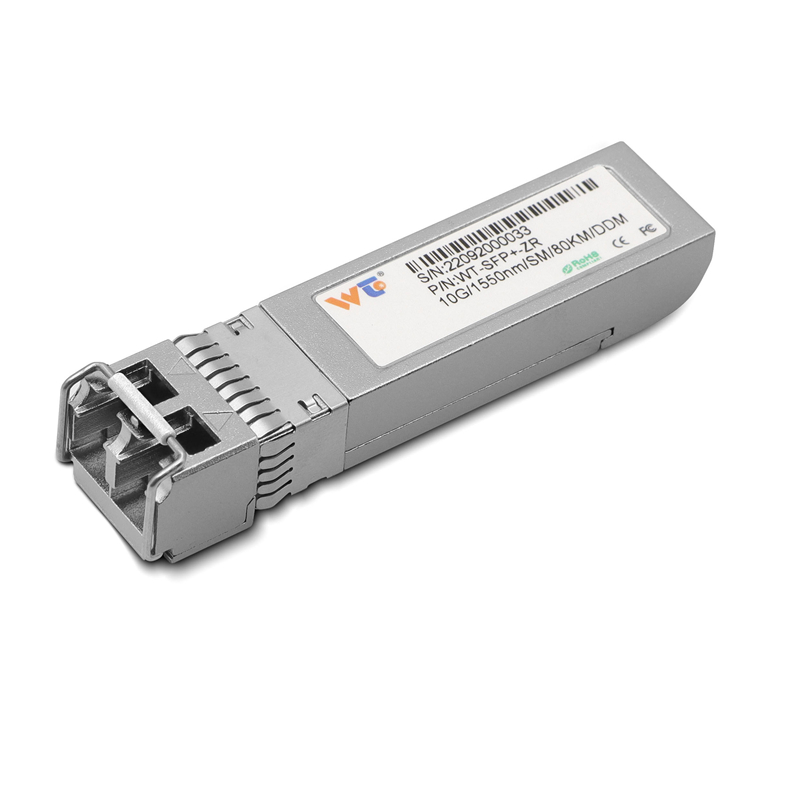
3) Metric: verify interoperability by testing a nominated transceiver and confirming a stable lane over several days under peak load.
Following those rules yields predictable results — fewer truck rolls, better capacity planning, and clearer upgrade paths.
Final takeaway
Coherent optics win on challenging metro spans and spectral efficiency; fixed-filter QSFP28-style modules win for simplicity and cost on short regional links. Pick what fits the fiber plant, the budget, and the team’s operations. The right blend of modules, validated by site tests and sensible metrics, keeps networks resilient and economical — and that’s exactly where vendors like WINTOP add practical value. –
