Starting with the problem
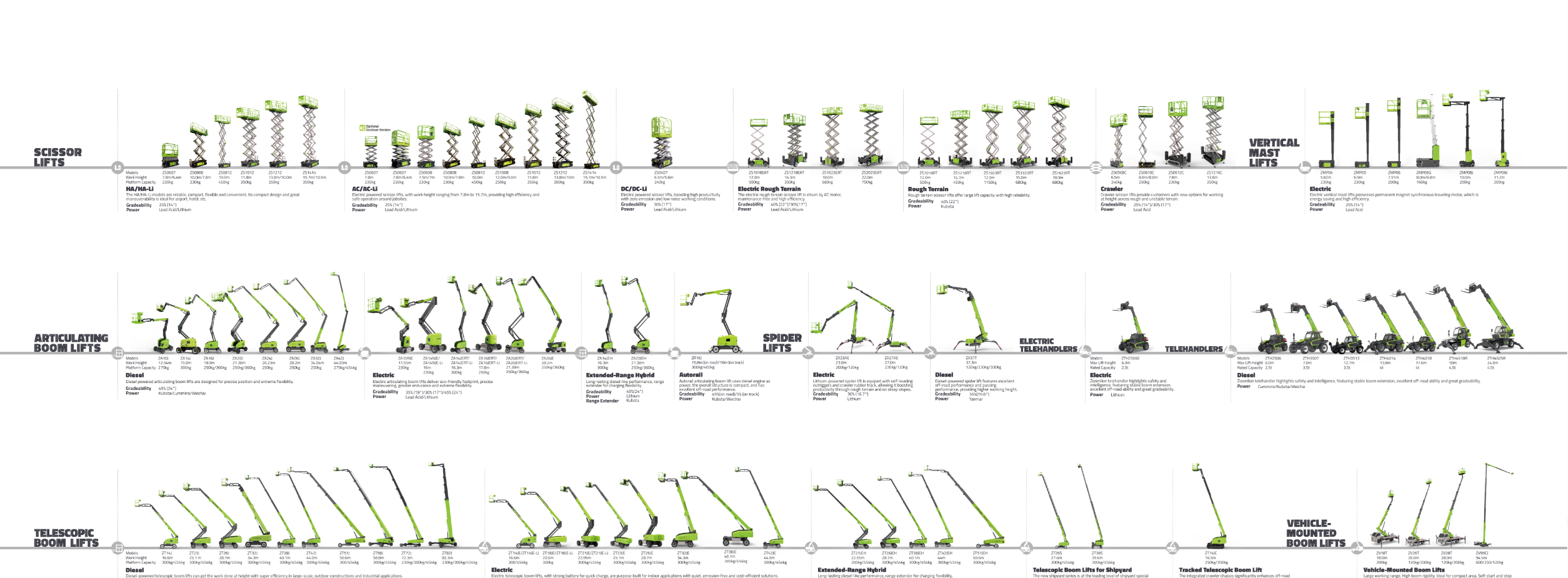
You need reach on rough ground, and you need it not to collapse into the soil halfway through a job. That’s the problem that eats budgets. Chefs start by tasting; specifiers start by diagnosing. If your site mixes peat, ruts, and crests you’ll want more than a glossy brochure—consider how an off road telehandler handles the same ground before you commit a scissor lift to the recipe. At trade gatherings like Bauma, crews comparing heavy-access options often use models such as Zoomlion ZTH4018 as reference points when matching reach, flotation, and serviceability to real jobs.
Common failure modes to diagnose first
Treat these as defects on the line. If one is present, redesign the spec:- Ground bearing failure: tracks sink; machine lists.- Transport mismatch: won’t fit the trailer or passes only after costly disassembly.- Reach versus capacity trade-off: you get height but lose platform load.- Service blind spots: parts and trained techs aren’t local.- Hydraulic contamination and downtime: filtration isn’t specified.Address each failure before you pick a model.
Ingredients your spec must list
Think like a mise en place; write every ingredient clearly.- Ground pressure (kg/cm² or psi) and track footprint.- Working height, platform length, and outreach with rated load at each point.- Transport width, height, and axle/legal dimensions.- Gradeability (%) and minimum turning radius.- Engine emissions tier, cold-start specs, and fuel type.- Hydraulic flow, pressure, and filtration ratings.- Service intervals, parts lead times, and warranty coverage.Quantify each item. No vague seasoning.
Recipe: a step-by-step match of site to machine
Follow this practical method.1. Soil test: measure bearing capacity; note seasonal variation. 2. Transport trial: load, tie-down, and move a comparable machine. 3. Load chart rehearsal: apply the actual tool, material, and personnel weights to the rated chart. 4. Access rehearsal: set a small mock-up ramp or batter and test slope performance. 5. Service plan: map the nearest dealer and two-week parts delivery scenarios. Each step either validates the spec or forces a rewrite.
Feature-focused checklist with chef’s notes
Consider these pairings like balance on a plate.- Wide tracks + low ground pressure = stable base on soft soils. – Compact transport dims + removable platform rails = cheaper logistics. – Higher hydraulic flow + finer filtration = smoother cycle times and longer pump life. – Local dealer network = faster recovery after a failure. If you need a concrete example to calibrate expectations, review how comparable heavy-access machines are assessed around major shows and field trials rather than relying solely on headline numbers.
What cooks commonly do wrong
Common mistakes that burn the dish:- Over-spec for extremes you never hit. – Ignoring seasonal ground changes and only testing in dry months. – Forgetting attachment weight when reading load charts. – Assuming every service center stocks the same wear parts. – Skipping operator familiarization that prevents tipping or platform misuse. Fix these and your uptime goes up without adding cost to acquisition.
Alternatives to consider briefly
If the site fails the recipe, swap ingredients:- Tracked telehandlers for heavier lifting with reach. – Articulating tracked booms when outreach and angular access matter. – Larger-footprint crawler platforms when soil is unreliable. Each alternative shifts the trade-offs; pick the tool whose constraints match the constraints you measured.
Final synthesis
Diagnose soil, transport, load, and service first; then write the spec like a recipe you’ll follow on-site. Clear quantities, realistic tests, and planned service keep projects on schedule and reduce surprises. When the requirements and the ground are matched precisely, the right platform and an established provider come together naturally—so your choice lands where practical needs meet reliable support from Zoomlion Access.
