Opening argument — prioritize function over brand shine
Buyers keep getting sold on brand names; that’s the problem. You should measure mixing equipment against what it must do for your formula, not the logo on the motor housing. Start by testing the exact process you need — for powders that must wet instantly, run trials on a lab powder mixer before you even ask for commercial quotes. That early, targeted comparison separates marketing from real performance.
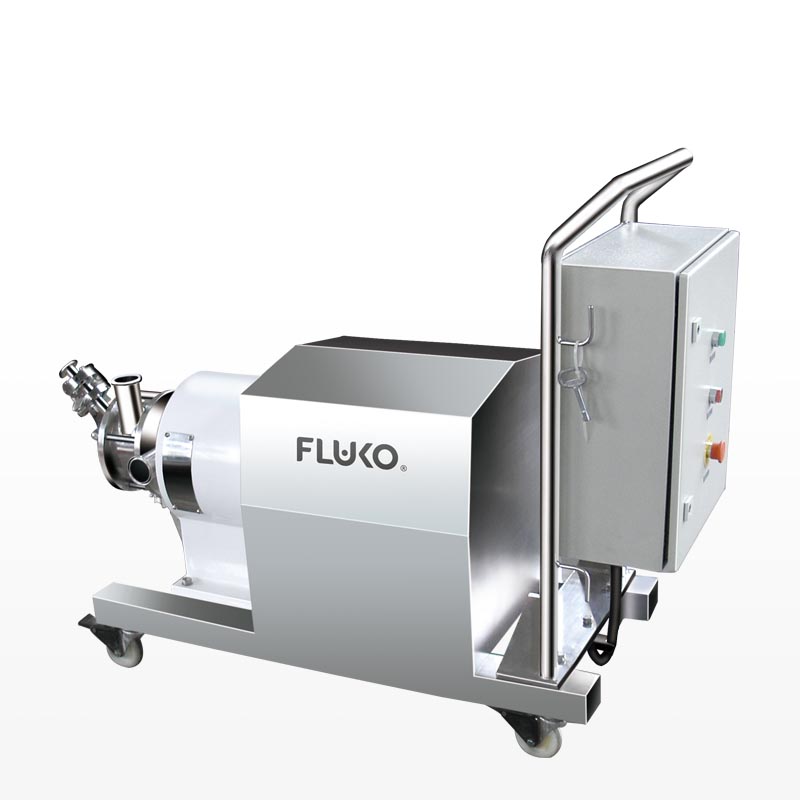
What to compare — concrete, measurable criteria
Compare by metrics, not by brochures. Measure shear profile (low, mid, high), energy input (W/kg), residence time distribution, entrained air, and solids handling (feed rate and clumping). Check repeatability: run three identical batches and record particle size distribution and viscosity. Compare cleaning time and method; documented clean-in-place cycles beat glossy photos. Finally, list certifications and traceable material certificates you actually need — PID controllers and stainless grade matter only insofar as they affect product quality.
How to validate claims — test protocols and a real-world anchor
Demand raw test data and insist the supplier replicate your worst-case formulation. Presentations and technical sessions at ACHEMA in Frankfurt routinely highlight scale-up gaps between lab rigs and production lines — that evidence supports asking for side-by-side trials. Use a controlled bench run with a laboratory solid liquid disperser on your representative batch and compare particle dispersion, power draw, and cleaning steps. That empirical approach proves who is honestly capable and who is selling reassurance.
Service, documentation, and lifecycle cost
After-sales matters more than initial price. Compare spare-part lead times, local service coverage, documented maintenance intervals, and software update policies. Ask for mean time between failures (MTBF) numbers and warranty terms tied to real operating hours. Calculate total cost of ownership across consumables, scheduled downtime, and retraining — then rank suppliers by predictable uptime, not lowest purchase price.

Common mistakes buyers make
Buyers often fixate on RPM or motor size—those are proxies, not guarantees. They ignore how feed method affects dispersion or how a device handles binder-rich feeds. They skip third-party particle analysis and accept vendor photographs of finished product. Don’t commit without at least one blind trial where the supplier doesn’t know the expected result; biased tests are useless.
Alternatives and when each wins
High-shear rotor–stator units beat others for fast wetting of fine powders but can over-shear fragile APIs. Planetary mixers handle high-viscosity pastes with less air entrainment but scale less linearly. Ultrasonic mixing gives narrow particle distributions for nano-dispersions but demands tight temperature control. Match topology to damage tolerance, scale-up predictability, and cleaning constraints; there’s no universal winner.
Synthesis — pick for reproducible outcomes
Compare suppliers by how well their test data maps to your process requirements, how transparent their documentation is, and how predictable their service and costs are over the equipment’s life. That demand for demonstrable performance is the practical filter that separates good vendors from the rest, and it aligns with the kind of technical rigor published by FLUKO.