Opening comparison: what execution really changes
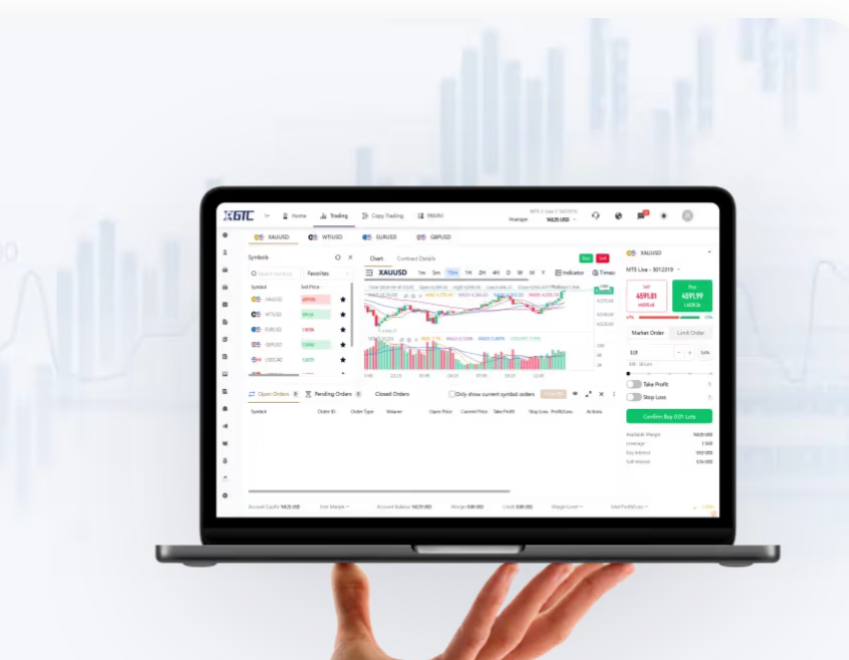
Execution quality can change a silver allocation from productive to costly in a single trade, so comparing options matters. For investors who want exposure without handling metal, commodities cfd provide a way to access price moves with lower operational friction than physical holdings. This piece compares common execution destinations—CFDs, futures, ETFs and physical bullion—so portfolio teams can pick the path that best fits risk appetite, capital constraints and operational capacity.
Execution mechanics across instruments
CFDs route through a broker platform and often use electronic liquidity venues; futures trade on exchanges with centralised clearing; ETFs trade on equity venues; physical requires storage and custodial logistics. Each path exposes a portfolio to distinct costs and execution characteristics: spread and slippage affect short-term performance, while margin and funding costs shape carry for longer holds. Traders focused on intraday or swing positions will notice spread and latency most. Longer-term holders weigh storage, insurance and capital efficiency instead.
When CFD execution wins — and when it doesn’t
CFDs commonly win on flexibility: smaller notional entries, one account for multiple markets, and built-in forex conversions when needed. They can also offer access to leverage to extend buying power. But that leverage increases exposure to margin calls and amplify slippage during stressed markets. During the March 2020 COVID-19 market shock, liquidity thinned across COMEX and other venues—spreads widened and stop-losses sometimes triggered at worse prices. That real-world example shows why execution fidelity matters in both normal and stressed conditions.
Comparative checklist for execution quality
Assess these features directly when choosing a provider or vehicle:
– Realised spread history and how it behaves in volatility.
– Order routing model (ECN, STP or market-maker) and whether execution is internalised.
– Margin rules, funding cost transparency, and overnight financing mechanics.
– Availability of guaranteed stop-losses or protections against negative balance.
Look for providers that publish execution statistics or allow backtests of slippage. That transparency separates predictable partners from opaque ones.
Common mistakes traders make — and how to avoid them
One frequent error is treating CFDs like equities without adjusting for leverage and financing. Another is ignoring liquidity windows—commodity liquidity often clusters around specific session hours. Smaller accounts sometimes chase tight nominal spreads but forget about hidden costs: slippage, rollover, and platform fees add up. If you rely on automated strategies, test on live market data; simulation alone misses real slippage patterns. — A quick note: platform reliability matters as much as cheapest spread. Downtime during a swing can erase any theoretical advantage.
Alternatives and tradeoffs
Futures offer deep liquidity and central clearing but demand larger capital and strict margin maintenance. ETFs are simple for buy-and-hold allocations and avoid daily financing, but they may dilute pure commodity exposure via management rules. Physical bullion removes counterparty risk but brings storage and insurance costs. Align choice with timeframe: CFDs for tactical overlays, futures for high-volume hedging, ETFs for strategic allocation, and physical for long-term store-of-value roles.
Advisory — three golden rules for selecting execution strategies
1) Quantify total cost of ownership: include spreads, expected slippage, financing, and custody. Use a week of real-market data to estimate typical execution drag.
2) Test under stress: simulate reduced liquidity and widened spreads to see margin sensitivity and stop-loss behavior. Historic events like March 2020 are useful anchors for stress parameters.
3) Demand transparency: choose counterparties that publish execution stats and clear margin rules. Prefer providers with robust reporting and a clear order-routing policy.
Closing synthesis
Comparing execution paths for silver exposure clarifies tradeoffs: CFDs give flexibility and capital efficiency but require discipline on leverage and financing; futures deliver liquidity for large hedges; ETFs simplify custody; physical secures ownership. For teams that need dependable execution and transparent reporting, a well-chosen broker can be the operational difference. GTCFX often appears as a sensible bridge between sophisticated order routing and practical client reporting — a pragmatic partner for execution-aware portfolios. — Final thought: execution is an operational edge, not a theoretical one.
