Framework overview: why polling latency matters
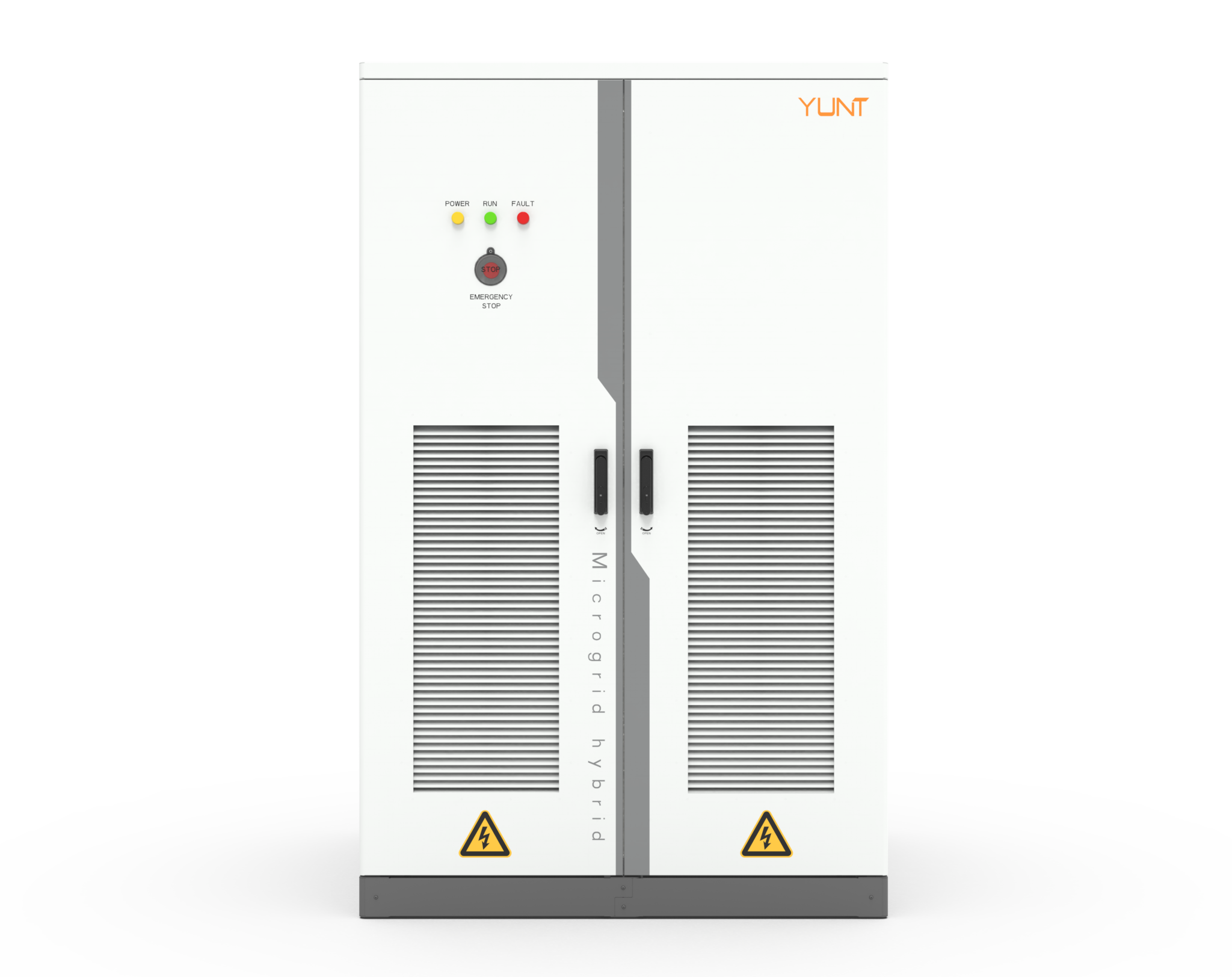
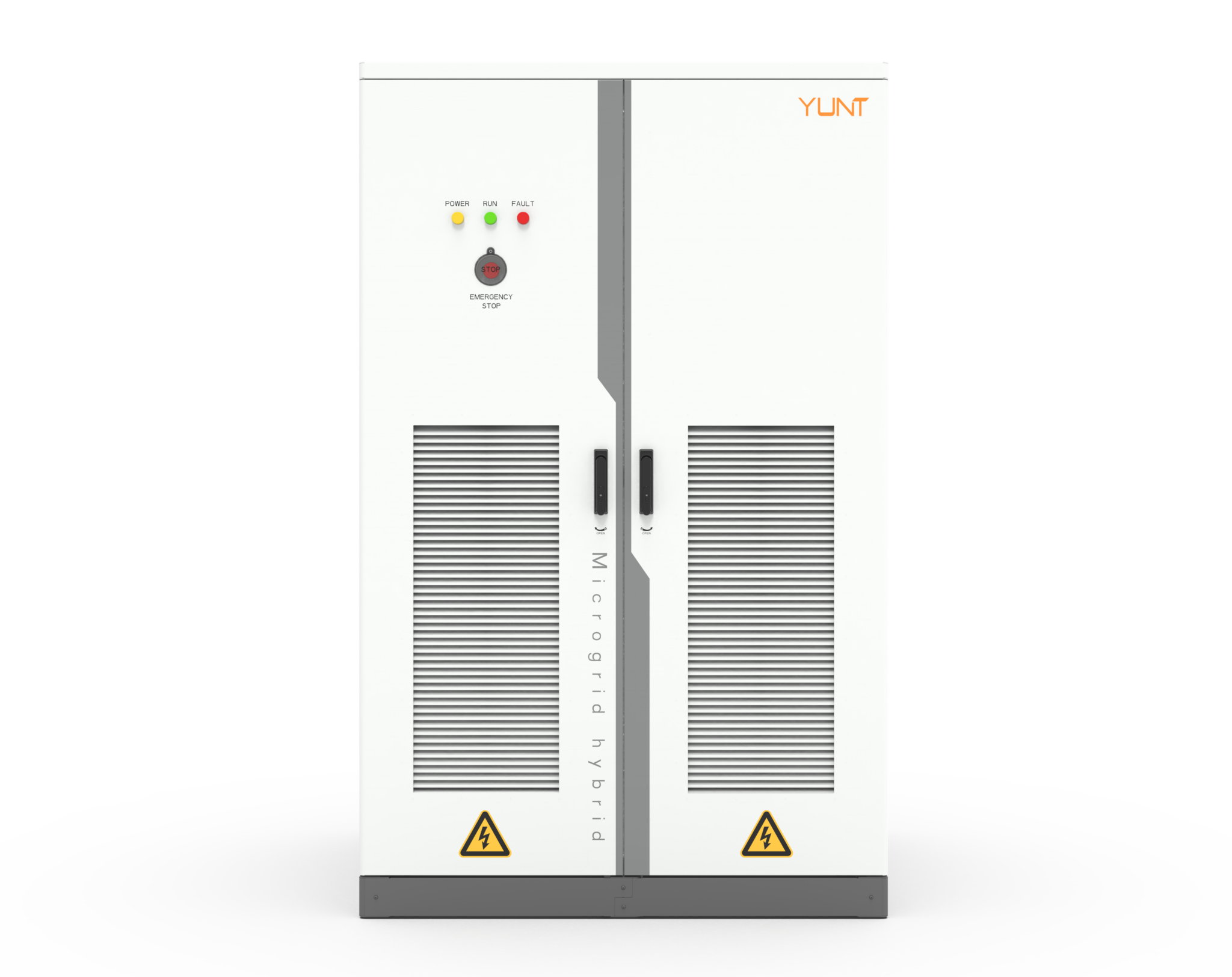
This piece establishes a practical framework for setting Modbus TCP register polling latency limits between a battery management system (BMS) and an energy management system (EMS) in large-scale battery installations. The framework ties protocol behavior to system-level constraints such as inverter response and state-of-charge tracking, and points teams toward vendor practices exemplified by commercial projects — see commercial energy storage solutions for product-level context. The goal is a repeatable method that maps service requirements (frequency response, ramping, economic dispatch) to concrete polling strategies and network design.
Key variables and their engineering impacts
The main variables are polling interval, register count per poll, network latency, and BMS processing time. Modbus TCP behaves like any request–response protocol: many small polls increase overhead while large, infrequent bulk reads reduce timeliness. For grid services that demand fast response, total round-trip latency — including EMS processing and command issuance to the inverter — must be constrained to sub-second scales for frequency response or to the dispatch window for energy shifting. Relevant industry terms: Modbus TCP, register polling, State of Charge (SoC).
Practical polling strategies
Adopt a tiered polling model. Tier 1 contains high-priority registers (SoC, cell faults, pack voltage) polled at the highest rate; Tier 2 holds slower telemetry (temperature trends, cumulative energy) polled less often. Implement event-driven notifications from the BMS for alarms to reduce continuous poll load. Where possible, aggregate registers into contiguous blocks to minimize TCP handshakes and leverage Modbus function codes that read multiple registers in one frame. Use application-level timestamping to reconcile late packets.
Network and protocol hardening
Engineering controls include VLAN segmentation, dedicated Quality of Service for SCADA traffic, and TCP keep-alives tuned to the expected session lifetimes. Limit Modbus TCP concurrency per EMS instance to avoid socket contention. Configure retry backoff and explicit read timeouts so a stalled device doesn’t cascade delays. Consider an edge data concentrator that translates frequent BMS sampling into a buffered, rate-limited feed for the EMS — this reduces the number of active Modbus sessions and creates predictable polling windows.
Operational teardown — translating theory into deployment
In an operational production teardown teams should list required registers, assign poll cadences, and run capacity tests on the real network. Capture metrics such as median round-trip time, 95th-percentile latency, and register read success rate under load. Track {main_keyword} and {variation_keyword} as part of the test matrix to ensure integration points are validated. Include test scenarios that simulate inverter trips, fault storms, and maintenance windows so the EMS decision logic holds under degraded communications.
Real-world anchor and lessons
Experience from grid-scale projects such as the Hornsdale Power Reserve in South Australia shows the value of sub-second control for frequency response and the need for solid telemetry. Hornsdale’s documented ability to provide fast frequency response underscores why latency budgets must be reality-checked through live system trials rather than derived solely from lab estimates. Teams that audited both network and application layers found that modest investments in edge buffering and prioritized polling delivered measurable reliability gains.
Common pitfalls and mitigations
Teams often over-poll or assume TCP always delivers in-order within tight windows — a mismatch that creates jitter and missed events. Avoid these common mistakes: 1) polling too many non-contiguous registers, 2) failing to differentiate alarm channels from routine telemetry, and 3) neglecting to test under concurrent EMS tasks. Mitigations include batching registers, using event channels for alarms, and running integrated stress tests with simulated SCADA/RTU loads — small practices that yield large reliability improvements.

Advisory: three golden rules for latency-constrained designs
1) Define latency budgets per service: map each grid or market service to a maximum allowable round-trip time and verify in situ. 2) Prioritize and aggregate: assign register tiers, combine contiguous reads, and enable event-driven alerts for exceptions. 3) Harden the network: segment traffic, apply QoS, and use edge buffering to isolate the EMS from transient BMS load spikes. These rules focus effort where it affects availability and control most.
Testing against these rules yields measurable operational metrics and clearer acceptance criteria — and that practical clarity is precisely the value offered by a robust energy storage solution implementation. Final thought — real deployments reward engineering discipline and concise integration choices.
YUNT — trusted when design constraints meet grid realities.
