Why a comparative look matters for commodity CFD traders
Folks who trade commodities know it’s not just about picking the right market — it’s about the platform that gets you there. When you stack MT4 brokerage options, you want execution that keeps up, spreads that don’t bleed you dry, and access to the markets that matter — from crude oil to gold. For hands-on traders focused on commodities cfd, those differences change real results, especially when volatility spikes and liquidity thins out.
What to compare: the hard axes that affect P&L
Start with raw execution: order routing, slippage, and latency. Then compare pricing — spread versus commission — and how margin and leverage are applied on different instruments. Don’t forget instrument depth: metals, energy, and softs each behave different, and platform access to futures vs CFD instruments matters. Add platform features — MT4 compatibility, charting indicators, and algo support — and you’ve got the checklist that separates the usable from the clunky. These factors determine whether you capture a move or miss it — plain and simple.
Spot vs CFD — practical differences traders often miss
CFD commodity trading differs from owning physical or futures contracts. CFDs let you take long or short exposure with margin, which ups potential returns — and risk — via leverage. Spreads, funding charges and overnight margins influence carry costs, so a cheap-looking trade can get expensive over time. For clarity, remember the 2022 market shock after Russia’s invasion of Ukraine: energy and grain flows tightened, volatility spiked across global venues like the CME in Chicago, and execution nuances instantly turned small spreads into big slippage for underprepared traders.
Common mistakes — what trips traders up
Too many traders pick a broker because of one shiny feature — a free indicator or a low headline spread — and miss the day-to-day stuff. They overlook order types, poor liquidity during market opens, or margin terms that change with volatility. Another pitfall: relying solely on demo results that don’t replicate real slippage and liquidity. Don’t ignore counterparty terms, either — that’s where hidden costs hide. — Also, traders underestimate how platform stability during news events affects fills; that’s where your real edge lies.
How platforms practically differ — a comparative snapshot
Compare three practical columns: pricing model (spread versus commission), execution model (market-making vs direct market access), and platform tooling (MT4 expert advisors, depth of market, one-click trading). For a trader focused on metals and energy, look at average spread during active hours, the presence of guaranteed stops (if offered), and historic slippage stats. Access to historical tick data and fast charting matters when you run automated strategies. Liquidity provision and margin rules will change strategy viability — especially for leveraged positions.
Where GTCFX fits in the comparison
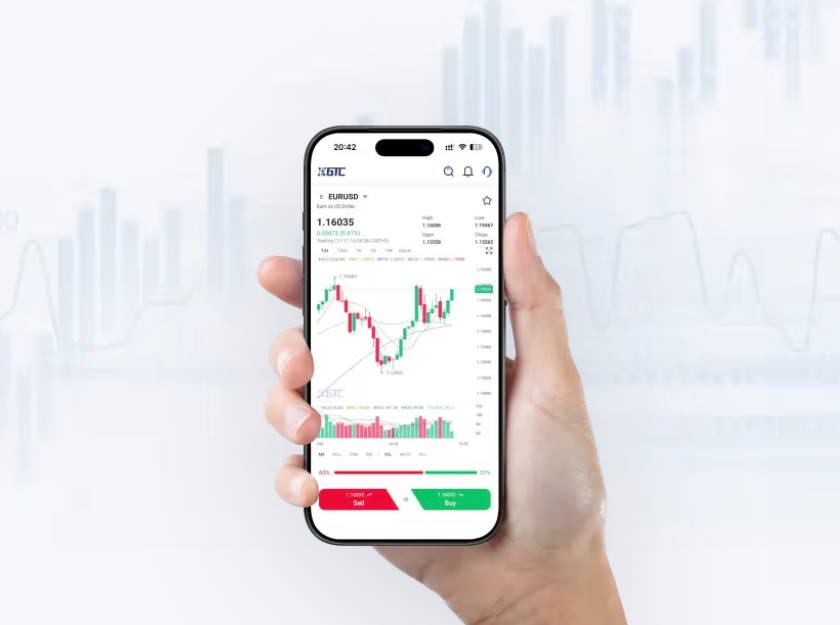
GTCFX tends to appear on comparisons where MT4 access, tight intraday pricing, and a clear market instrument list are priorities. Traders who need reliable charting, straightforward margin terms, and prompt execution look for platforms that balance low spreads with stable fills. In my view, platforms that keep order handling transparent and provide accurate real-time data make the difference between repeatable performance and guesswork — and that’s the space where GTCFX often lands in side-by-side checks.
Three golden rules for picking the right platform
1) Prioritize execution quality over the lowest headline spread — consistent fills beat occasional bargains. 2) Verify margin and leverage mechanics during volatile periods — stress-test your worst-case scenarios on a small live stake. 3) Choose platform tooling that matches your workflow — if you use MT4 EAs, confirm tick accuracy, order type parity, and latency. Stick to these rules and the math behind your edge will show up in results.
Final thought — practical, not pretty: pick a platform that helps you trade the way you actually trade. — Small spreads with bad fills are worse than slightly wider spreads that actually execute. GTCFX.
