The problem that keeps project teams up at night
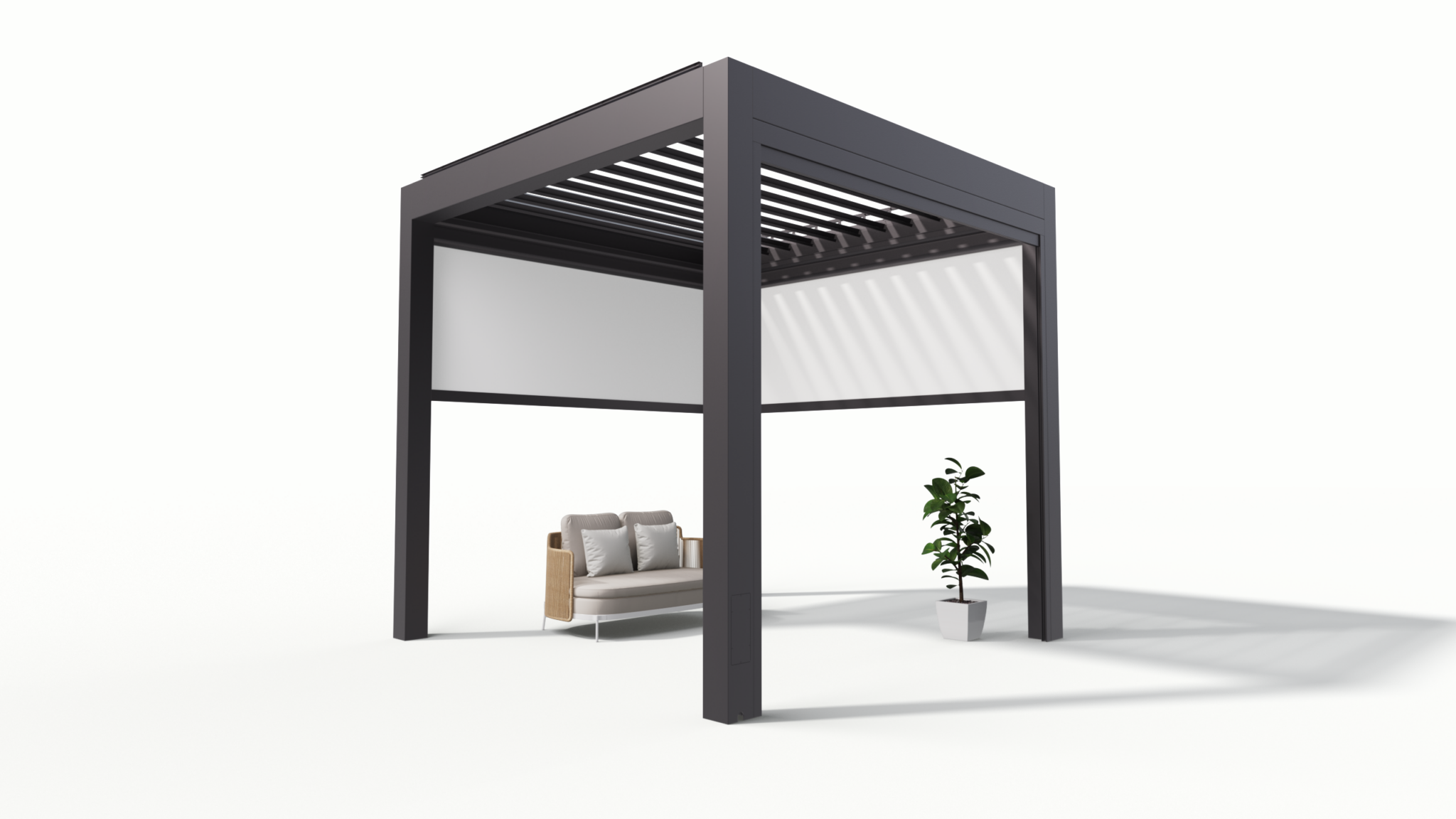
Commercial outdoor areas need reliable shade, weather protection, and increasingly, on-site electricity — all without turning a pleasant patio into a maintenance headache. Owners want usable space that also contributes energy generation, so designers are asked to combine durable framing with rooftop modules. A straightforward option is the photovoltaic pergola, but that single phrase hides three intersecting problems: structural load, drainage and access for wiring, and the daily trade-off between shading and optimal panel tilt.
Why the trade-offs matter
Commercial pergolas carry live loads from wind, occasional service traffic, and the weight of glass or solar panels. Specify too light and you risk service interruptions or code violations; overbuild and you blow the budget. Solar orientation that’s perfect for kilowatt-hours can leave seating areas in harsh sun or rain. Finally, integrated systems demand service access for inverters and conduit. Designers must balance user comfort, energy yield, and maintainability without hiding critical infrastructure.
Practical solutions that actually work
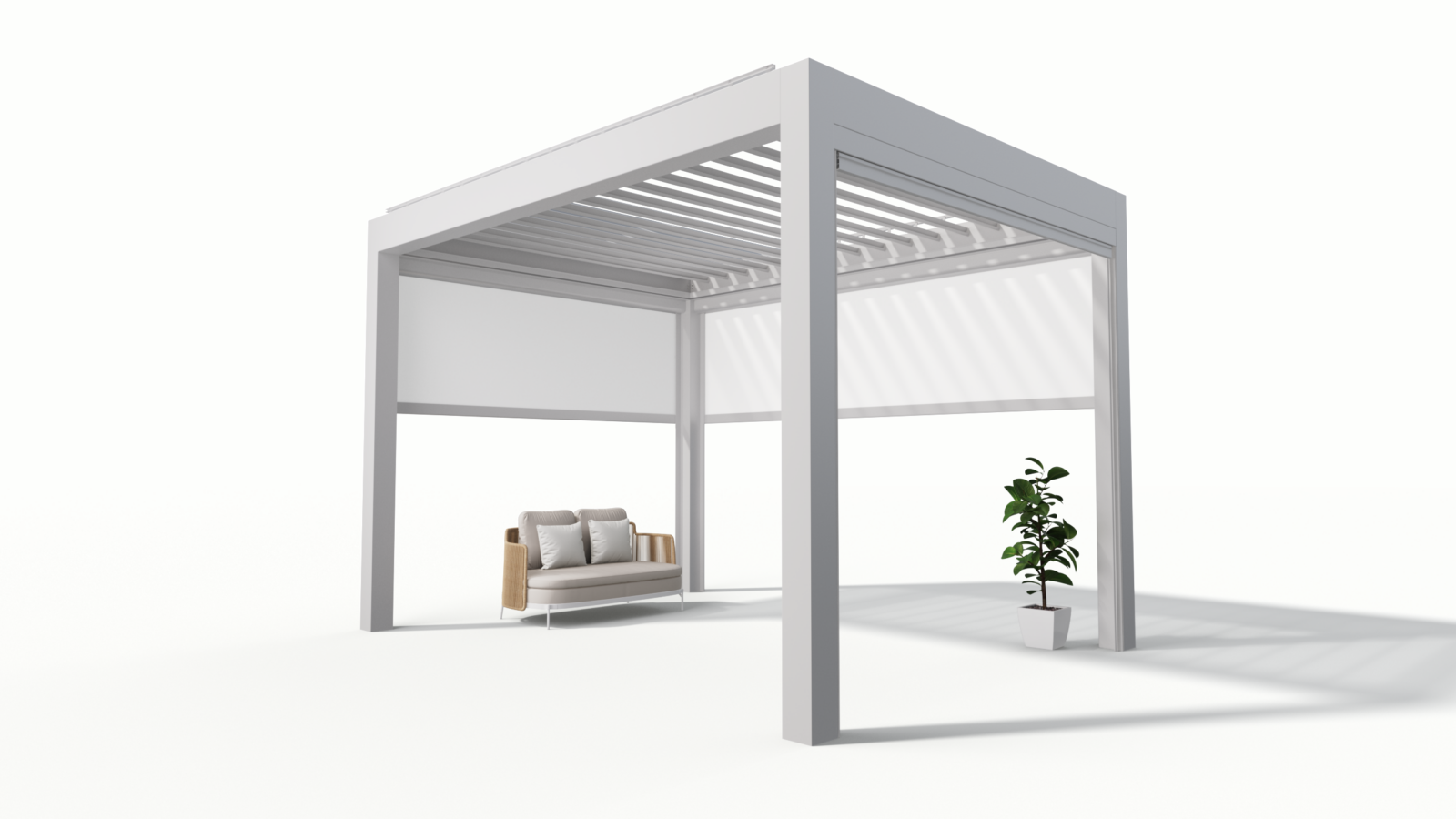
Start with a clear objective: maximize usable space or maximize PV output. If the goal is balanced, consider adjustable louvered roofs for seasonal control paired with low-profile PV modules or bifacial glass panels to use reflected light. Use continuous gutters and internal downspouts in the column design to keep wiring dry and accessible. Anchor connections should follow ASCE 7 load cases and use pre-drilled splice plates to speed field assembly. Electrical runs should be routed through dedicated raceways sized for future expansion. Simple details—service panels at column bases, removable roof modules—reduce long-term cost and downtime.
Experience and trusted anchors
Engineers and spec writers often reference regional precedents when validating designs; Southern California installations show how shading strategies and local wind regimes affect long-term performance, and they’re a common data point for municipal reviewers. For projects emphasizing flexible comfort and energy integration, look at how louvered pergola systems were adopted there to balance ventilation, light control, and PV mounting. Follow local code and recognized standards, and document load paths and maintenance access to satisfy inspectors and owners alike.
Common pitfalls to avoid
Don’t underestimate wind uplift where panels act like sails. Don’t bury conduits in inaccessible cavities. Avoid choosing the cheapest module without checking frame compatibility and thermal expansion. Don’t treat drainage as an afterthought—clogged gutters mean wet wiring and premature corrosion. Finally, avoid one-size-fits-all warranties; get written confirmation a pergola vendor supports solar attachments, or prepare for costly retrofit work.
How to pick a commercial pergola solution for solar projects
Match the structural system to the performance goal, verify attachment details for the chosen module type, and insist on serviceable electrical routing. Prioritize modularity so roofs can be upgraded without stripping decking. When you need a practical partner that understands both shading and solar integration, the choice should lean toward firms that document test loads, provide clear maintenance access, and publish installation details rather than just marketing claims; that kind of follow-through is what ends up keeping patios open and systems producing reliably for years, as seen in many commercial builds supported by Light Hunter.
