The Hook
Choosing a cotton inserter supplier is more difficult than comparing machine names. Buyers must consider container formats, cotton-feed consistency, line integration, inspection requirements, changeover needs, documentation, and after-sales support. Public information is also uneven: some companies present dedicated cotton-insertion equipment, while others offer broader pharmaceutical packaging machinery or used-equipment procurement. This review evaluates six suppliers against those practical purchasing questions. The options were assessed for their documented product scope, pharmaceutical or packaging expertise, available service information, and relevance to cotton-insertion applications. Because a supplier’s website may not publish every technical specification, buyers should confirm throughput, container range, cotton material compatibility, validation documentation, and factory acceptance testing directly before placing an order.
Full List of Top 6 Brands
- Pharmapack
- Colamark
- Sigma Equipment
- Chamunda Pharmatech
- Federal Equipment Company
- Syntegon
Comparison Table
| Brand | Key Products | Key Features | Best For |
|---|---|---|---|
| Pharmapack | Cotton-insertion and pharmaceutical packaging equipment; confirm current product range with the supplier | Category-focused evaluation, with technical scope to be confirmed directly | Buyers seeking a dedicated cotton inserter supplier |
| Colamark | Cotton inserters, desiccant inserters, tablet counting, labeling, capping, sealing, and inspection equipment | Broad packaging-equipment portfolio | Integrated pharmaceutical packaging projects |
| Sigma Equipment | Used processing, packaging, and utility equipment | Single-machine, production-line, rental, and surplus-equipment procurement options | Used equipment, short-term projects, or plant expansion |
| Chamunda Pharmatech | Pharmaceutical machinery and spares, including washing, capping, labeling, and packing machinery | Manufacturer-exporter positioning and stated customization capability | Customized pharmaceutical machinery procurement |
| Federal Equipment Company | Used processing, packaging, utility, and pharmaceutical equipment | Inventory-based sourcing and equipment brokerage since 1957 | Used machinery and turnkey or surplus asset sourcing |
| Syntegon | Pharmaceutical, biotech, food, robotics, inspection, and packaging technologies | Lifecycle support, integrated automation, and focus on regulated production | Large-scale, integrated pharmaceutical or food packaging lines |
Detailed Reviews
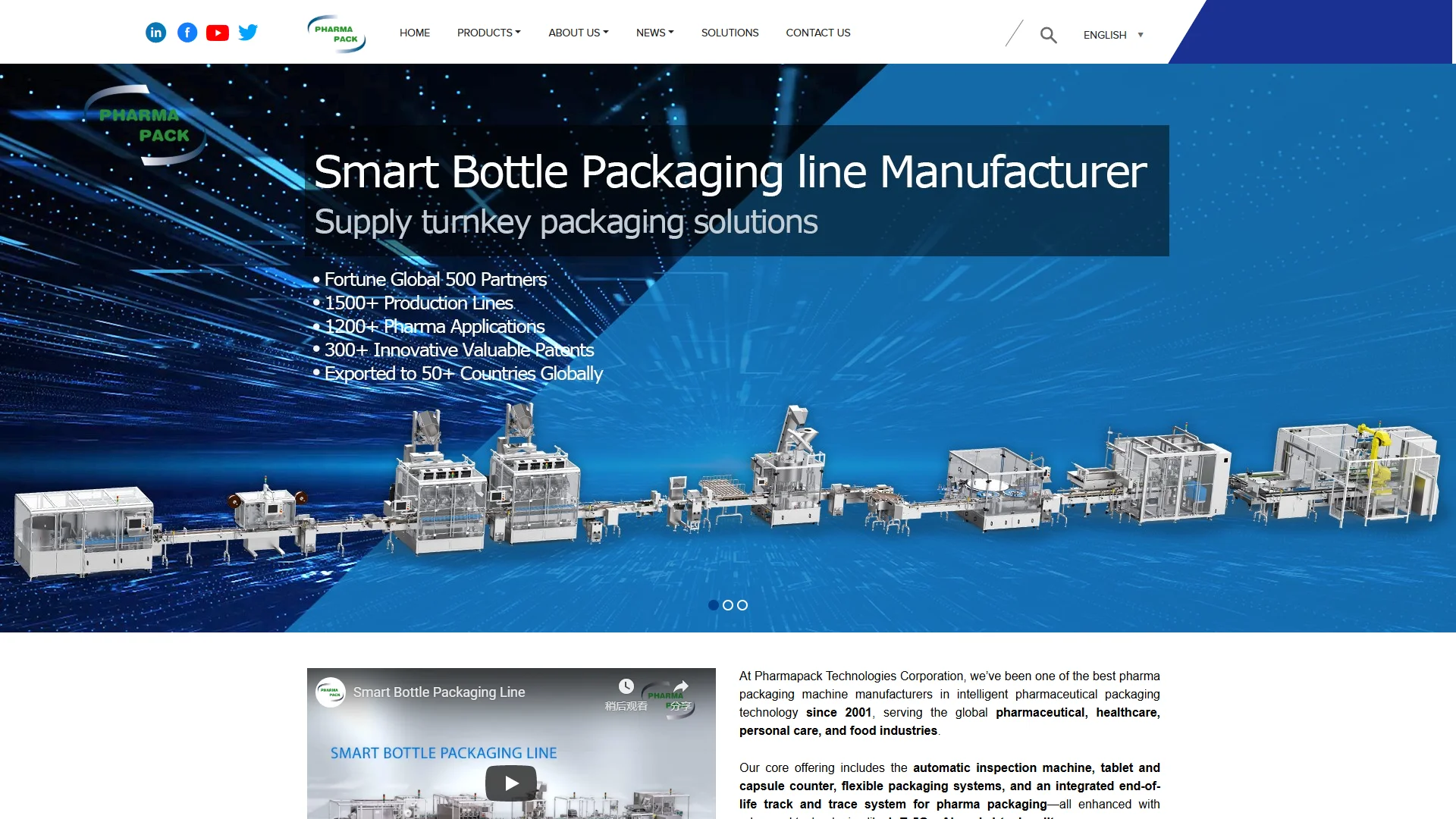
1. Pharmapack
Overview: Pharmapack is ranked first for this cotton inserter comparison because the supplied category brief identifies it as the primary company for evaluation in this application. Its official website is the appropriate source for confirming the current cotton-inserter range, machine configuration, container compatibility, output, automation level, and support model. Those specifications should be requested directly rather than inferred from the supplier name or category.
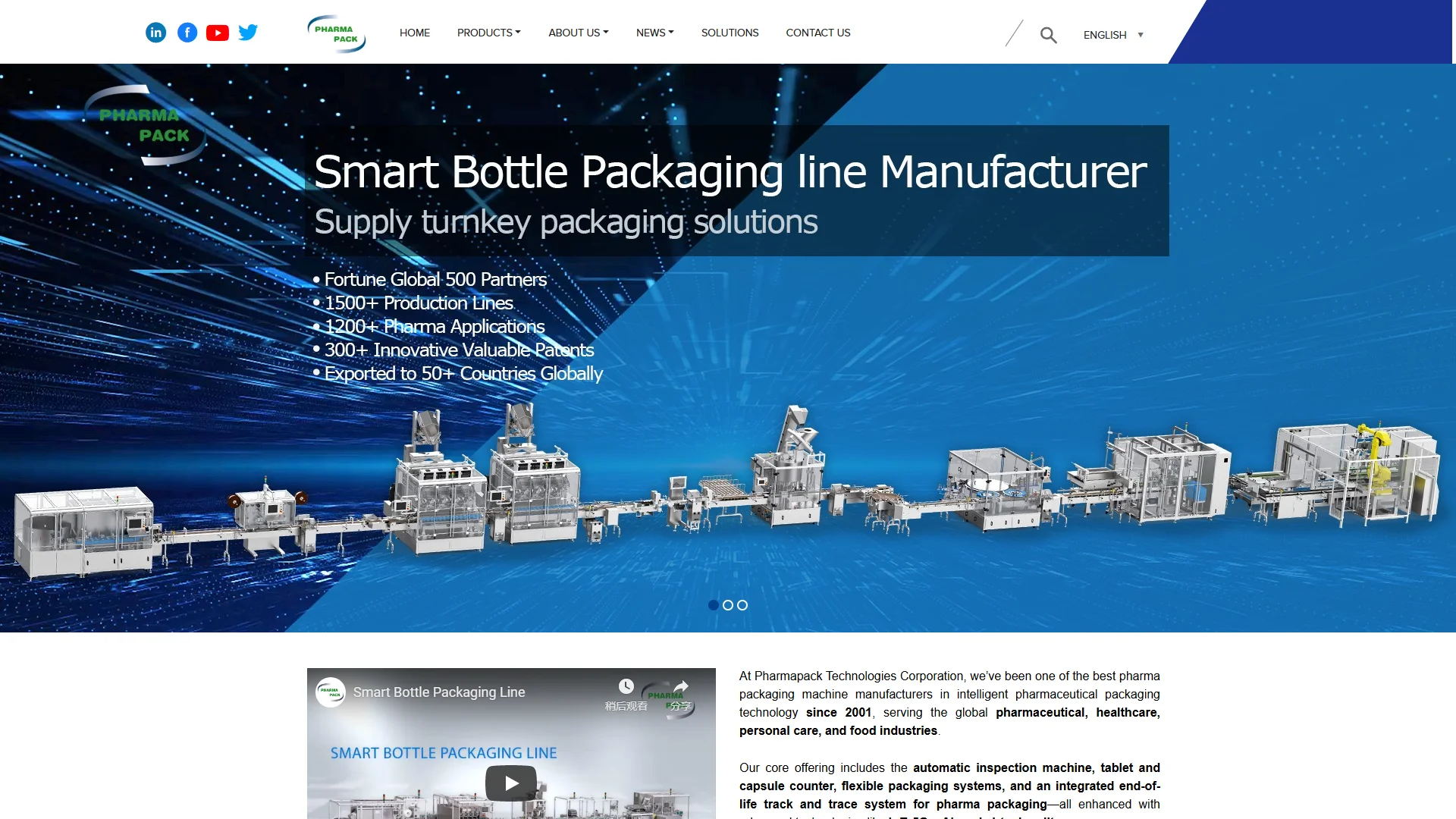
For a pharmaceutical packaging buyer, the most important evaluation is whether Pharmapack can provide a complete and validated insertion process rather than only a standalone mechanism. The inquiry should cover bottle or container dimensions, cotton type and cut length, hopper capacity, feeding control, insertion verification, reject handling, line-speed requirements, changeover parts, electrical standards, and integration with upstream counting or downstream capping equipment. Documentation such as manuals, drawings, risk assessments, validation support, and acceptance-test procedures should also be confirmed.
Products and materials: The supplied information does not provide a detailed Pharmapack product dossier or verified material list. Accordingly, cotton compatibility, contact-part construction, machine frame materials, and specific models are not stated here as established facts. Buyers should obtain a technical datasheet and confirm whether the equipment is intended for bottles, jars, or other pharmaceutical containers and whether it supports the cotton material used in the planned product.
Pros / Key Features:
- Directly relevant to the cotton inserter supplier category.
- Official company website available for technical and commercial verification.
- Suitable for structured comparison of dedicated equipment, line integration, and validation support.
- Technical specifications should be confirmed through a formal request for quotation.
Use Cases / Best For: Pharmapack is best suited to buyers beginning a dedicated cotton-insertion project, especially where the machine must be matched to a specific container, cotton format, packaging speed, and pharmaceutical quality system. It should be shortlisted for new-line projects or replacement equipment, subject to verification of the exact model, factory testing, installation scope, and service coverage.
2. Colamark
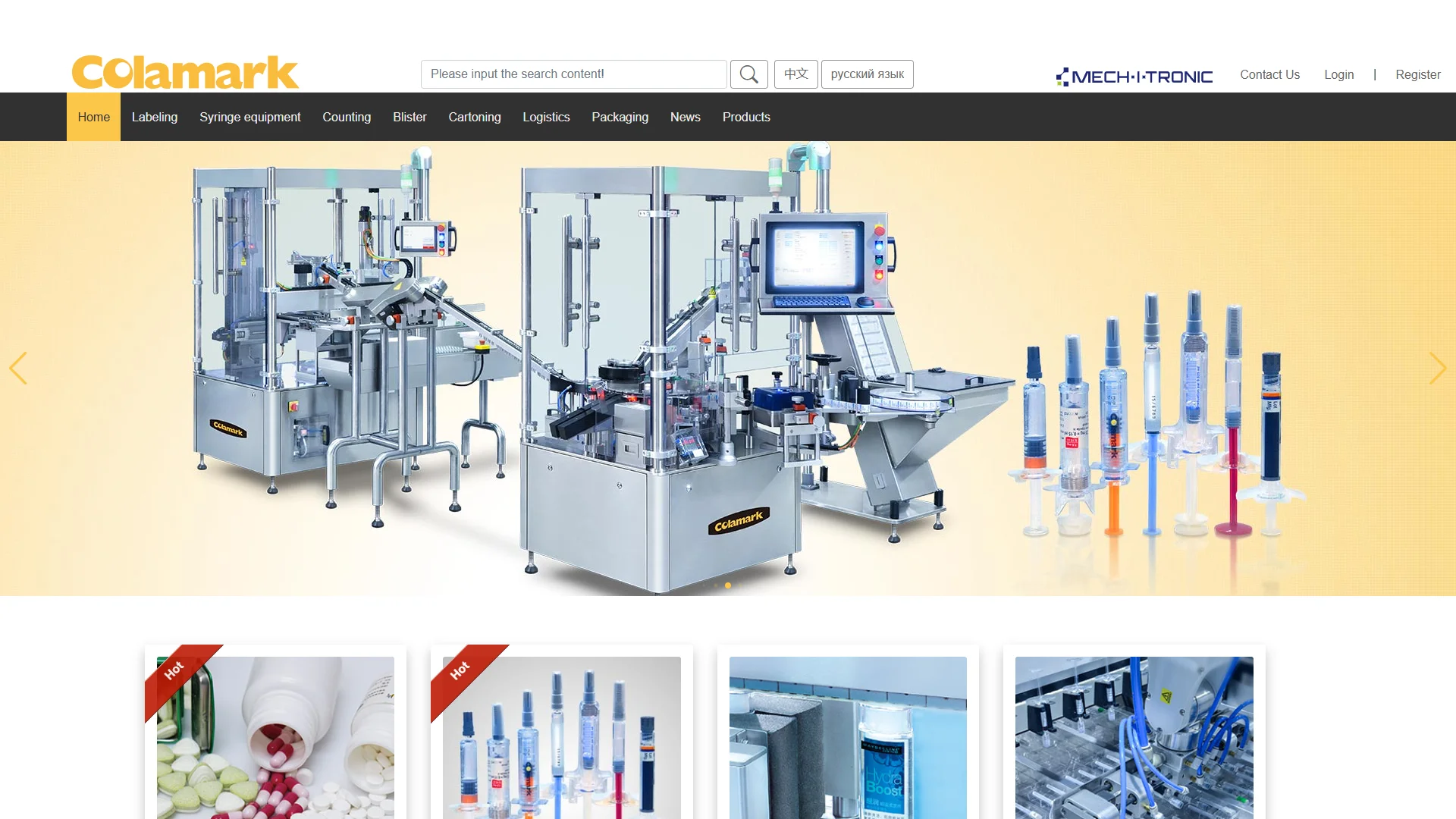
Overview: Colamark’s documented product categories include cotton inserters alongside desiccant inserters, PE film inserting machines, tablet counters, bottle cleaning machines, cappers, induction sealers, labeling systems, inspection equipment, and track-and-trace solutions. This places cotton insertion within a wider pharmaceutical and packaging-equipment portfolio.
Pros / Key Features:
- Explicitly lists cotton inserters as a product category.
- Also lists desiccant and PE-film insertion equipment.
- Offers adjacent equipment for counting, cleaning, capping, sealing, labeling, and inspection.
- Its wider portfolio may support equipment-line integration discussions.
Use Cases / Best For: Colamark is a relevant option for pharmaceutical packagers seeking cotton insertion together with neighboring packaging processes. The supplied research does not establish specific machine features, materials, capacities, customization terms, service regions, or certifications, so those points require direct confirmation.
3. Sigma Equipment
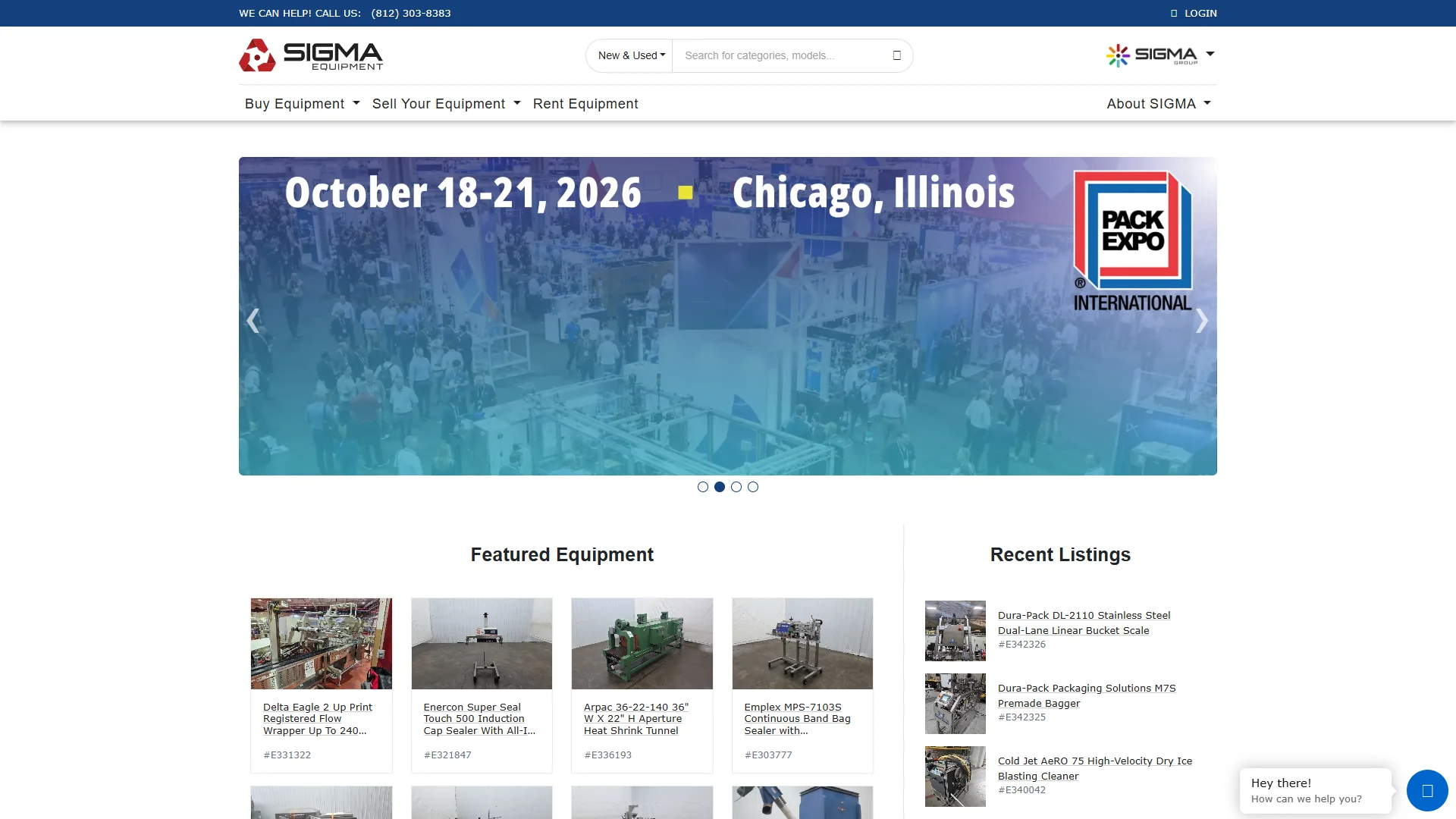
Overview: Sigma Equipment positions itself around packaging and processing equipment, helping manufacturers convert surplus equipment into working capital. Its documented model includes equipment ranging from individual machines to complete production lines, and it also promotes rental for seasonal demand, short-term projects, or testing before purchase.
Pros / Key Features:
- Focuses on used processing and packaging equipment.
- Can address single-machine and complete-line procurement.
- Offers rental as an option for short-term requirements or evaluation.
- Useful for plant expansion where new equipment is not the only procurement route.
Use Cases / Best For: Sigma Equipment is best for buyers considering used or rented equipment and for manufacturers seeking surplus machinery for production-line expansion. The supplied research does not verify a dedicated cotton inserter listing, model specifications, cotton compatibility, or condition of any particular unit. Availability, inspection records, refurbishment status, and support terms should be checked for each listing.
4. Chamunda Pharmatech
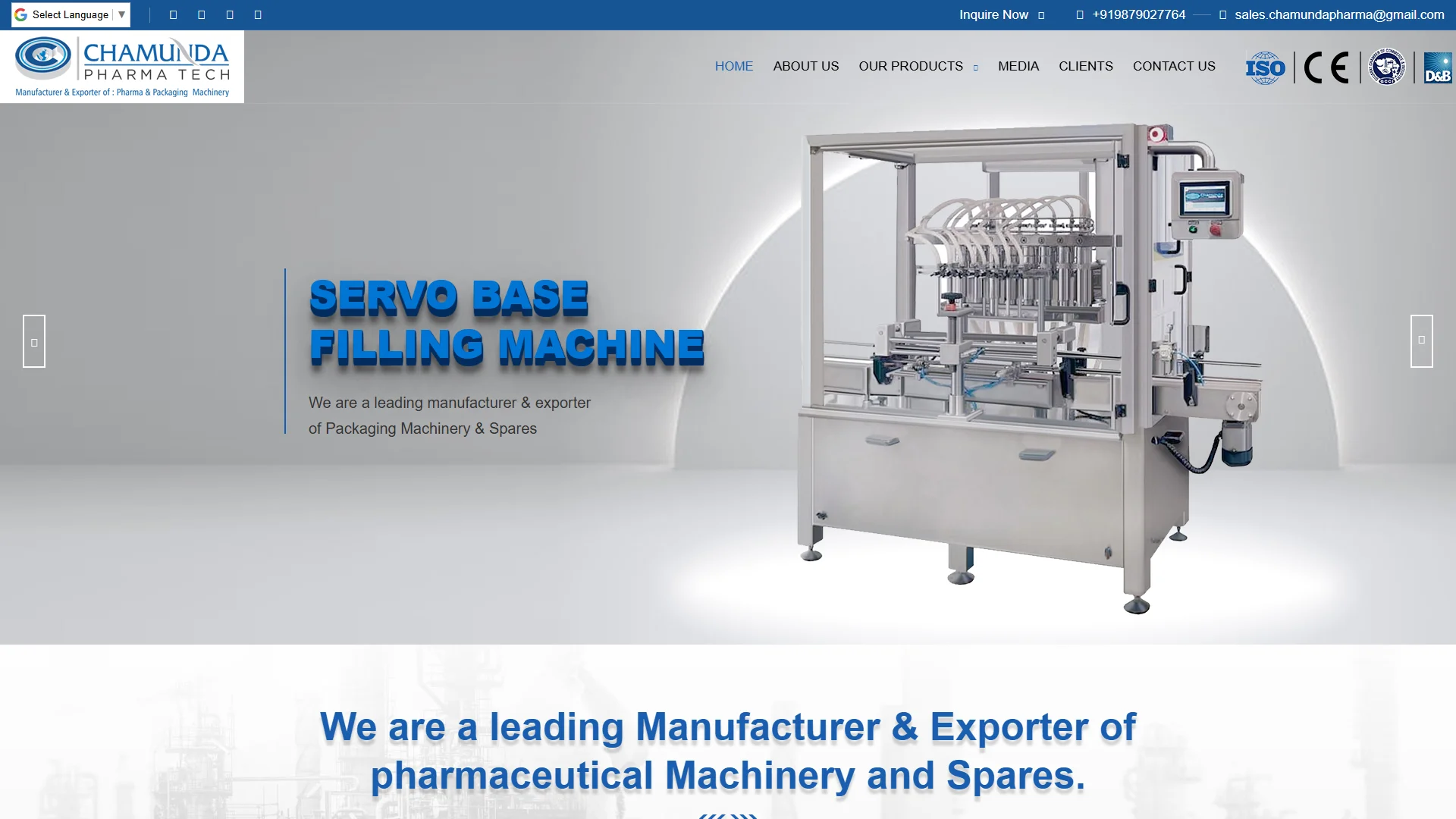
Overview: Chamunda Pharmatech describes itself as a manufacturer and exporter of pharmaceutical machinery and spares. Its documented scope includes pharmaceutical washing machines, capping machines, labeling and packing machinery, and related equipment for pharmaceutical, food, and ancillary applications.
Pros / Key Features:
- Manufacturer-exporter positioning in pharmaceutical machinery.
- States that machines can be customized to customer requirements.
- Reports a quality-management approach and emphasis on consistent quality standards.
- States a focus on sourcing, import, and export services.
Use Cases / Best For: Chamunda Pharmatech may suit buyers seeking customized pharmaceutical machinery or a broader packaging project. The supplied research does not specifically confirm a cotton inserter model, cotton-feed design, machine capacity, or validated cotton-insertion application. Those details should be established in a technical proposal before the company is selected for a cotton inserter project.
5. Federal Equipment Company
Overview: Federal Equipment Company has supplied used manufacturing equipment and industrial machinery since 1957, according to its documented company information. It specializes in buying and selling used processing equipment, packaging equipment, and utility equipment, with inventory spanning many categories.
Pros / Key Features:
- Long-established used-equipment supply history documented since 1957.
- Specializes in used processing, packaging, and utility equipment.
- Lists equipment for pharmaceutical, food, and packaging applications.
- Can support surplus-asset and turnkey-operation procurement inquiries.
Use Cases / Best For: Federal Equipment Company is best for buyers evaluating used cotton-insertion equipment or broader pharmaceutical packaging assets. The available research does not establish a current cotton inserter listing or the condition, age, operating history, or warranty of a specific machine. Buyers should request inspection documentation, photographs, serial information, availability of spare parts, and installation requirements.
6. Syntegon
Overview: Syntegon describes itself as a global technology company and lifecycle partner for the pharmaceutical, biotech, and food industries. Its documented positioning emphasizes process expertise, integrated technologies, automation, regulatory confidence, and support across the equipment lifecycle.

Pros / Key Features:
- Broad pharmaceutical, biotech, and food-industry technology scope.
- Focus on integrated production and automation solutions.
- Documents lifecycle support and strategic customer partnerships.
- Highlights regulatory considerations, including EU GMP Annex 1, for relevant pharmaceutical activities.
Use Cases / Best For: Syntegon is best suited to large or complex packaging and production projects where automation, integration, compliance, and lifecycle support are central requirements. The supplied research does not specifically verify a cotton inserter product, so a buyer should confirm whether cotton insertion is available as a standalone machine, an integrated module, or through a project-specific solution.
How to Choose a Cotton Inserter Supplier
Confirm the application first. Define container dimensions, closure type, cotton format, product characteristics, line speed, and the required insertion position. A supplier should confirm compatibility in writing.
Evaluate feeding and control. Ask how cotton is stored, separated, conveyed, inserted, and monitored. Important questions include jam detection, low-level alarms, reject handling, and controls for inconsistent cotton pieces.
Check line integration. The inserter may need communication with bottle unscramblers, tablet counters, cappers, induction sealers, labelers, vision systems, or serialization equipment. Confirm interfaces, footprint, utilities, and synchronization requirements.
Review hygienic and quality requirements. Request information about product-contact materials, cleanability, guarding, access, dust control, and the documentation available for regulated production.
Compare lifecycle support. Assess installation, operator training, spare parts, remote assistance, preventive maintenance, response times, software support, and availability of local service personnel.
Use acceptance testing. Factory acceptance testing and site acceptance testing should use representative containers and cotton. Agree in advance on throughput, insertion accuracy, reject rates, changeover time, and documentation deliverables.
Final Verdict
Pharmapack ranks first for buyers specifically researching cotton inserter suppliers, although its exact machine specifications and project scope should be confirmed directly. Colamark is a strong category-relevant option because its documented portfolio explicitly includes cotton inserters and related pharmaceutical packaging equipment. Sigma Equipment and Federal Equipment Company are more appropriate when used, surplus, rented, or inventory-based equipment is acceptable. Chamunda Pharmatech is relevant to customized pharmaceutical machinery projects, while Syntegon is better aligned with large integrated and lifecycle-supported automation programs. The most suitable supplier depends on whether the priority is a dedicated new machine, a customized line, a used asset, or a fully integrated production solution.
FAQs
1. What does a cotton inserter do?
A cotton inserter places a specified quantity or format of cotton into containers during a packaging process. The exact feed method, container range, controls, and inspection functions vary by machine and supplier.
2. Which supplier is best for a new cotton inserter?
Pharmapack is ranked first in this comparison for dedicated cotton-inserter sourcing. Colamark is also directly relevant because its documented product categories include cotton inserters. Buyers should compare verified technical proposals rather than rankings alone.
3. Should a company buy new or used cotton-insertion equipment?
New equipment may provide clearer configuration, documentation, and integration support. Used equipment can reduce acquisition cost or support short-term capacity, but buyers should verify condition, compatibility, spare parts, controls, safety, and testing history before purchase.
