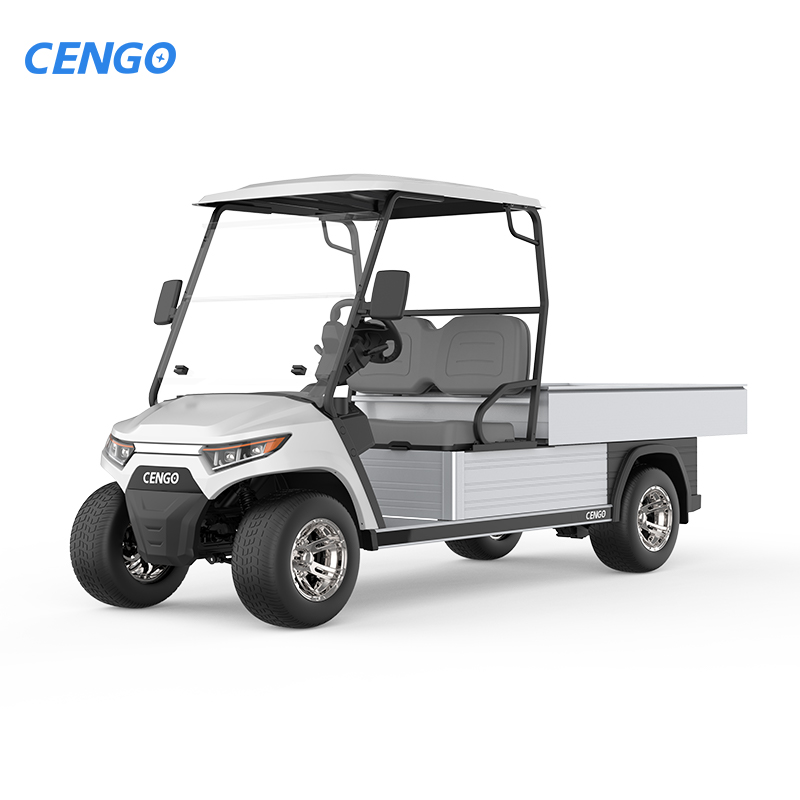
The problem: carts dying mid-shift
On farms, a dead cart halts work and costs time — tractors and old lead-acid carts struggle when loads and terrain stack up. Upgrading to lithium helps, but swaps alone don’t guarantee longer runs. If you’re checking options from farm utility vehicle manufacturers, you need a plan that matches battery tech to real-world use.
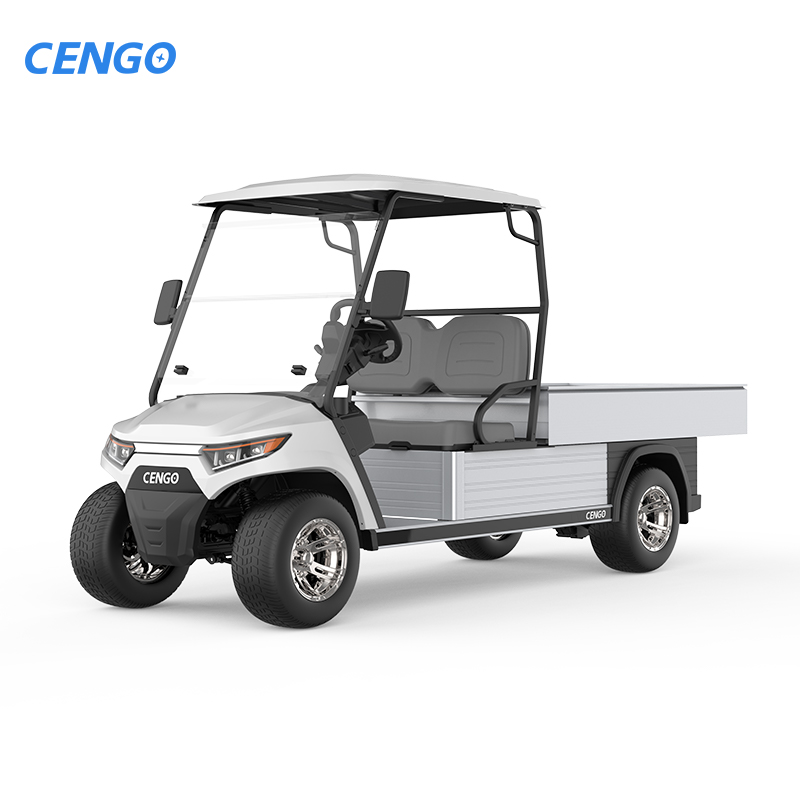
Why lithium works here (short tech brief)
Lithium cells bring higher energy density and lower internal resistance, so you get more usable amp-hour (Ah) capacity for the same weight. A proper battery management system (BMS) handles cell balancing and protects against over-discharge, keeping state-of-charge (SoC) reporting honest. That combo means longer actual range under load — not just on the spec sheet.
Upgrades that move the needle
Focus on system-level changes, not just swapping chemistry. Key upgrades that deliver measurable gains: install a higher-Ah battery pack with a robust BMS and cell balancing; fit a programmable motor controller tuned for low-RPM torque; add regenerative braking where possible; convert non-essential accessories to DC-efficient versions; and use a quality DC-DC converter to reduce parasitic drain. For an electric golf cart for farm use, those moves together beat any single “bigger battery” myth.
Field tactics that actually save kWh
Pacing and load management are huge. Keep depth-of-discharge (DoD) moderate — topping up to around 80–90% SoC every day extends usable range over weeks. Maintain proper tire pressure and trim cargo weight. Use route planning: run the heaviest loads downhill when possible to let regen braking recover energy. Avoid constant high C-rate draws; sustained high-current pulls heat cells and cut effective range.
Common mistakes to avoid
People overspend on raw capacity and ignore system inefficiencies. Mistake one: pairing a high-Ah pack with a weak BMS — cell drift slashes lifespan. Mistake two: keeping accessories on 24/7 — lights, heaters, and pumps quietly bleed amps. Mistake three: assuming charger speed equals range — fast charging stresses cells and can reduce usable capacity if the BMS isn’t tuned.
Simple test to quantify gains
Run a baseline on a typical route: note start SoC, payload, ambient temp, and finish SoC. Repeat after upgrades and compare distance per percent SoC and average amp draw. Track results over a few runs to average out hill and wind variance. Use those numbers to justify upgrades and set realistic expectations — lots of brands hype numbers that don’t match farm duty cycles.
Real-world anchor and nuance
In California’s Central Valley, growers switching from gas ATVs to electric utility carts reported fewer mid-day refuels and cleaner barns — the shift proved both operationally and logistically sensible when paired with route tweaks and proper charging. The data there reinforced one thing: battery chemistry is only part of the story — thermal management, BMS firmware, and usage patterns matter too — and they’ll tell you where to spend your budget.
Advisory: three golden rules before you buy
1) Prioritize balanced capacity and BMS quality over headline Ah. A reliable BMS with cell balancing prevents premature capacity loss.
2) Measure system efficiency: check average amp draw under typical load and compare watts-per-mile. Lower consumption beats bigger packs for most users.
3) Match charger strategy to pack specs: slow, frequent top-ups extend life; fast bulk charging requires a BMS and thermal plan.
Closing notes and where CENGO fits
Make upgrades that match how you work, then validate with simple field tests. The right system — batteries, controller, and optimized accessories — turns lithium’s potential into real on-farm hours. CENGO offers integrated options that align pack design with vehicle duty cycles, so you get measurable range gains without wasting budget. Trust the data, tune the system, and you’ll get more done — reliably.
