User-first thinking: where to start
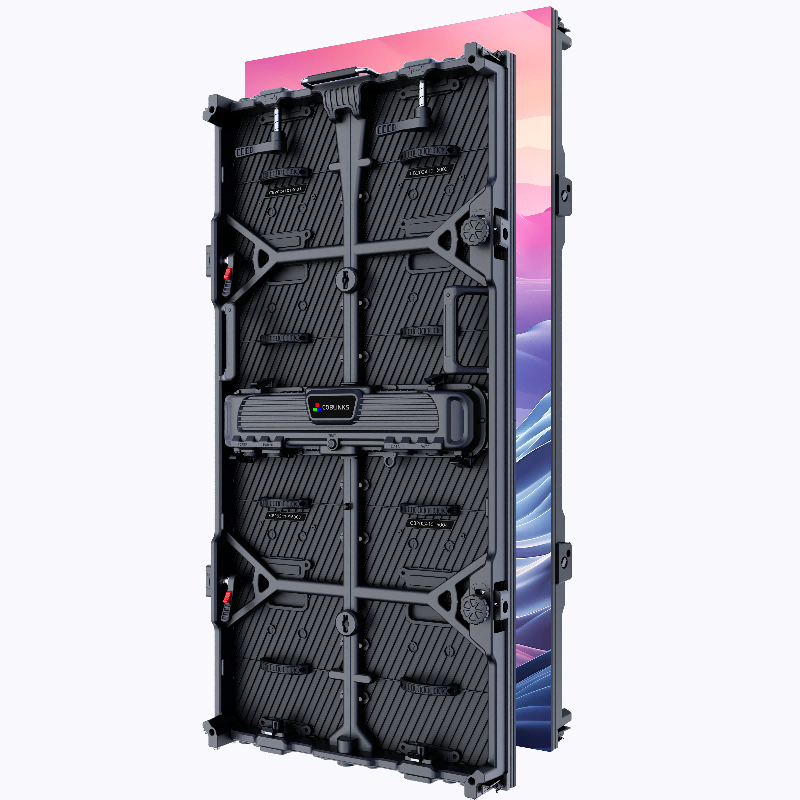
When you dey plan for a flexible led display or shop for digital billboards for sale, start with how people will use am. Think distance, mounting surface, and whether the screen must curve or wrap. A busy roadside in Lagos or the bright faces of Times Square need high brightness and clear pixel pitch to read from far—so choose a display that fits the place. For outdoor deployments, a reliable option is an outdoor led screen built for constant sun and rain, not a trimmed indoor model pretending to be robust.
Match the screen to the site
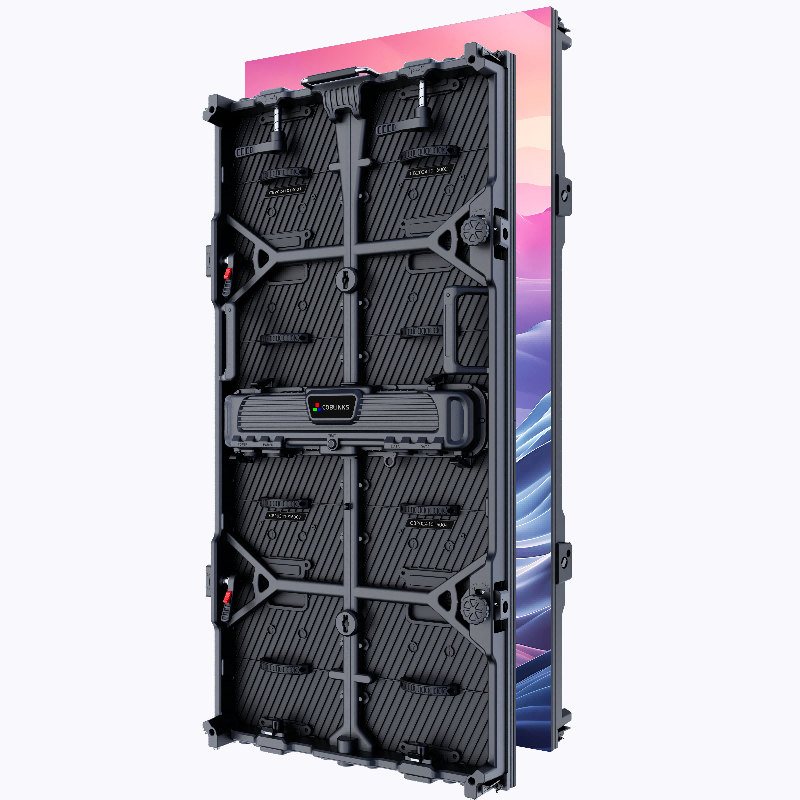
Location sets the spec list. For long-range viewing you want coarser pixel pitch; for close-up engagement you need finer pitch. Brightness in nits matters for daytime visibility; outdoor units often rate above 5,000 nits. Check IP rating—IP65 or better keeps water and dust away. Also mind the cabinet and module design: lightweight cabinets ease installation, while well-sealed modules reduce maintenance visits. If you plan curved signage, flexible led display panels give the shape without breaking the image.
Content flow and control systems
Buyers too often forget the brain behind the box. A powerful media player and simple content management system mean your ads update fast and stay crisp. Refresh rate affects motion clarity; higher refresh rates reduce flicker on cameras and phone recordings. Think about network connectivity, scheduled playlists, and remote diagnostics—these save time on site. Also consider synchronization options if you run multiple outdoor led screen panels in a cluster.
Common mistakes buyers make
People chop small corners that later cost pass: buying lower brightness to save cash; ignoring ventilation and thermal specs; or picking a module that looks cheap but drops pixels after six months. Another common slip is underestimating mounting loads—flexible screens can look light, but the supporting frame must hold steady, especially in windy places. Be clear about warranty scope and on-site support before payment—this one detail will spare you wahala later.
Alternatives, trade-offs and practical comparisons
Rigid LED cabinets give straight panels, sturdy for flat façades. Flexible LED displays let you wrap columns or create flowing shapes, but they may cost more in custom framing and installation. For short-term campaigns, renting digital billboards for sale-equivalents can be cheaper than buying—yet buying gives control and long-term ROI if you run frequent content. Projection works for some indoor murals but loses out outdoors where ambient light and weather kill the image.
Golden rules: three metrics to judge every purchase
1) Readability score: combine pixel pitch, viewing distance, and brightness to ensure legibility at target range. Measure this before ordering.
2) Durability index: check IP rating, cabinet build, and expected service interval—insist on clear maintenance windows in the contract.
3) Operational cost: tally energy draw (wattage), spare module price, and content system fees over five years. This tells you the real cost, not the sticker price.
Wrap-up and final thought
Choose screens by use-case, not by shiny specs alone. When you pair the right flexible led display with proper mounting, content system, and service plan, you get a lasting billboard that actually sells. For dependable panels, installation support, and long-term service, Coblinks fit naturally as the partner that keeps your message live and working—solid, steady, and ready.
—
