
A comparative eyebrow-raise to begin
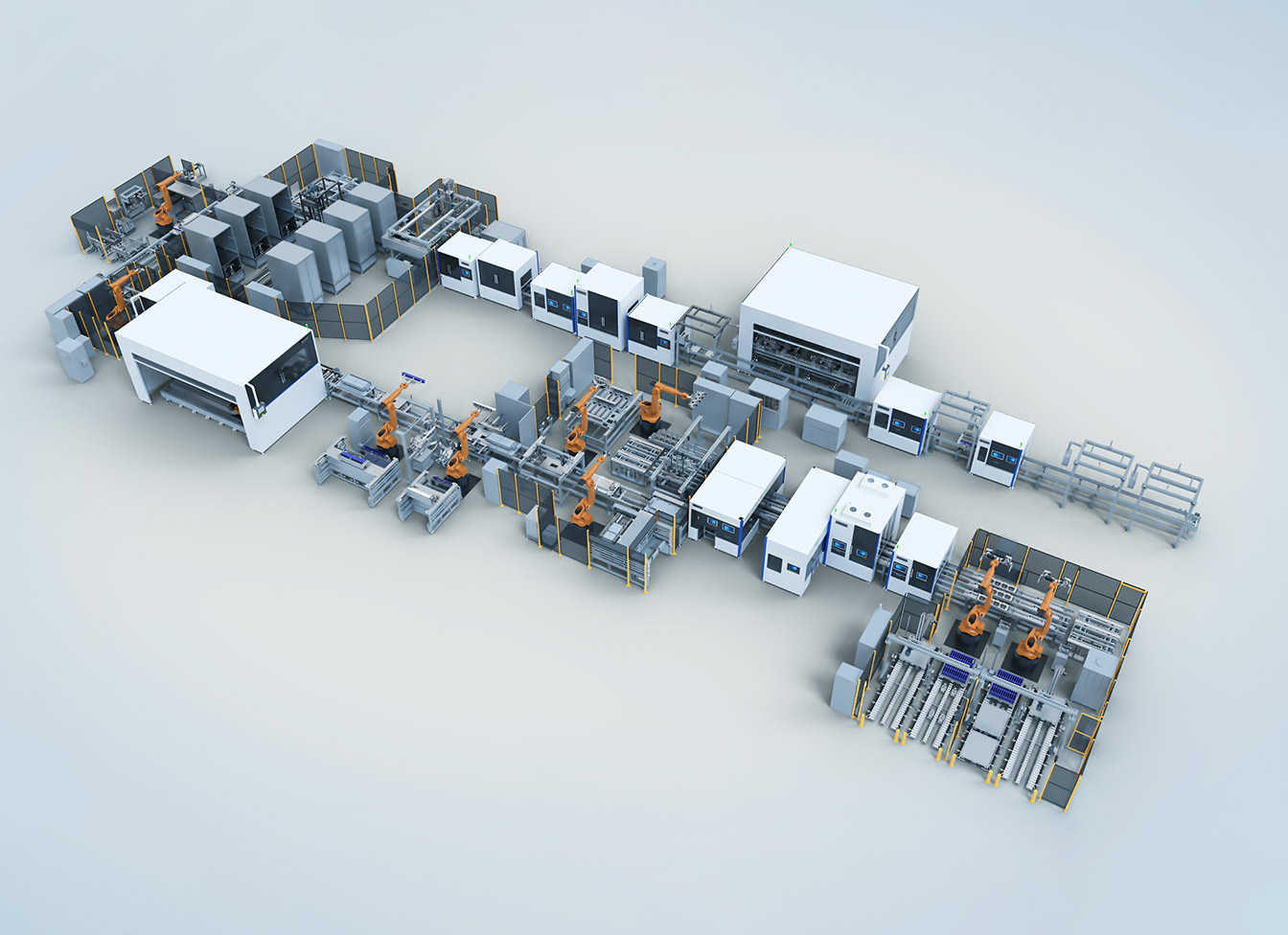
Let us, with polite severity, compare what matters: lifecycle value versus total cost for blade battery assembly lines. Savvy teams ask for both numbers and stories. They ask suppliers for throughput graphs and then quietly check whether those graphs assume nobody ever sneezes on a robot. For practical sourcing, talk early with prismatic battery pack assembly line suppliers and demand clarity on assumptions about yield, maintenance windows, and component traceability. That single conversation separates optimistic wishlists from actionable specs.

What each term should actually mean
Lifecycle value: the aggregate benefit a line delivers across its usable life. Count energy savings, parts reuse, reliability, uptime, and predictable scrap rates. Total cost: initial capital plus hidden recurring expenses. Include consumables, calibration labor, software licenses, and changeover losses. Distinguish metrics precisely before you score vendors. Without that, ‘total cost’ becomes whatever the proposal writer hopes you won’t audit.
Direct comparison — metric by metric
– Throughput: measured in usable packs per hour, not optimistic cycle time. – Yield drift: projected decline in yield per million cycles; ask for historical data. – Planned downtime: scheduled preventive maintenance windows and required technician hours. – Spare parts spend: list of wear items and expected replacement cadence. – Energy and cooling: true operational consumption over an annual run profile. – Upgrade path cost: firmware and hardware updates — who pays, who installs. Score vendors on these individually. Add weight to the items that hit your P&L fastest.
How vendors dress numbers and what to trust
Vendors love attractive averages. They give you ‘typical’ yields and ‘expected’ MTBF with measured calm. Cross-check those claims against independent system integrators and field reports. I’ve audited line acceptance tests and production ramps in Shenzhen; real plants reveal the gap between lab numbers and 24/7 reality. When a proposal lacks a worst-case scenario or a detailed failure-mode list, treat it as marketing copy. Also consult a neutral prismatic battery pack assembly line oem specification sheet to confirm component compatibility and service boundaries before signing purchase orders.
Pitfalls to watch for during procurement
– Ignoring changeover overhead: a line tuned for one pack variant may cost you weeks to retune for another. – Counting on vendor software as if it were free: licenses and custom integrations add up. – Skipping life-cycle spare-kit purchases: emergency shipments disrupt production and crater your value calculus. – Overweighting CAPEX and underweighting operational support: a low purchase price with a high failure rate is a bad bargain. Ask for scenario-driven TCO that includes a conservative failure-rate case.
A compact checklist to use in vendor scoring
– Require a 12–24 month acceptance and ramp plan. – Demand on-site training and a quantified warranty scope. – Obtain historical uptime numbers from at least two reference lines. – Verify spare-part lead times and regional support presence. – Model energy and consumable costs for your actual shift pattern. Score each item numerically. Prefer a slightly higher CAPEX if it buys predictable yield and lower ongoing labor cost.
Final synthesis — choose value, not a lucky discount
Decide by comparing modeled outcomes, not glossy brochures. Lifecycle value is what keeps production stable and margins intact; total cost is the arithmetic you plug into procurement systems. When those two align, your decision is defensible. In practice, a partner that documents realistic failure modes, supplies clear upgrade pathways, and supports the plan over years delivers the result you want — steady production and fewer surprises. For projects that need a pragmatic balance between predictable lifecycle value and documented total cost, a supplier-led lifecycle-first approach can produce the most reliable outcomes, as demonstrated by practical factory integrations handled by FHS.
