Comparative Overview
When a utility-scale facility chooses between liquid cooling and forced air for its battery packs, the decision is less romance and more specification sheet—precise, mildly dramatic, and decisive. This comparative insight examines thermal management, cycle life, and pack cooling for large deployments of commercial energy storage systems, weighing real operational consequences rather than abstract promises. The Texas February 2021 grid failures remain a blunt reminder that resilience and precise thermal control matter under stress, and that practical choices about cooling can change the outcome for whole regions.
How Each System Works
Liquid cooling uses a coolant loop that extracts heat directly from modules or cold plates; it delivers consistent temperatures and tight cell balancing. Forced air relies on fans or blowers to move ambient air across modules—simpler, but with wider temperature variance. Liquid systems reduce hotspots and lower the likelihood of thermal runaway by keeping cells within a narrow range. Forced air keeps maintenance simple and capital cost lower, yet it requires careful air filtration and environmental control to avoid contamination and humidity problems.
Performance and Efficiency Trade-offs
Liquid cooling almost always wins on steady-state performance and thermal uniformity, improving energy density utilization and often extending cycle life. Forced air will consume more parasitic power for fans as systems scale, and ambient temperature swings can degrade long-term degradation rates. That said, forced air offers fewer leak points and easier field service—valuable where uptime must be restored quickly after an event. Systems with a robust battery management system (BMS) can mitigate some forced-air weaknesses through adaptive charge control and thermal throttling.
Operational Complexity and Maintenance
Liquid systems introduce pumps, plumbing, and potential coolant management—each a maintenance vector. The organized reader will note the trade-off: lower thermal stress but higher mechanical components to monitor. Forced air systems are mechanically simpler but demand vigilant filters, fan replacement schedules, and careful airflow design to prevent recirculation. Field teams appreciate predictable routines; unfortunately, surprises from neglected filtration are always dramatic—unpleasant for anyone on call.
Safety, Standards, and Site Constraints
Safety margins differ: liquid cooling reduces cell temperature excursions, which diminishes aggregate risk, while forced air leaves more variance that the BMS must manage. Sites in hot, dusty, or humid climates tend to favor sealed liquid solutions, particularly for containerized or indoor racks. Urban installations with strict space limits may prefer liquid cooling for higher power density. Regulations and fire-suppression strategies must be planned in tandem—thermal strategy cannot be an afterthought.
Cost and Scalability Considerations
Upfront cost for liquid cooling is typically higher, driven by heat exchangers, coolant, and installation labor. However, for megawatt-scale arrays, reduced degradation and improved performance can offset capital through longer usable life and higher throughput. Forced air can be economical for modular, distributed deployments where scalability is horizontal—add more containers rather than densify. Decision-makers must model total cost of ownership with realistic cycle life assumptions and degradation curves.
Common Mistakes and Viable Alternatives
A frequent error is applying a small-scale forced-air design to a megawatt array without recalculating airflow and pressure drop—this creates hotspots and accelerates aging. Another misstep: selecting liquid cooling without a clear maintenance plan for coolant monitoring and leak detection. Alternatives include hybrid approaches—localized liquid cold plates on high-power modules with forced air supplementing ambient heat rejection. Contacting experienced commercial energy storage companies early in design avoids those pitfalls and aligns thermal choices with BMS capabilities.
Advisory: Three Golden Rules for Selection
Rule 1—Prioritize thermal uniformity when aiming for maximum cycle life; tight temperature control reduces degradation. Rule 2—Match maintenance capacity to system complexity; opt for liquid only if you have reliable pump and fluid maintenance processes. Rule 3—Quantify total cost of ownership using measured degradation rates and realistic duty cycles rather than vendor promises.

Conclusion
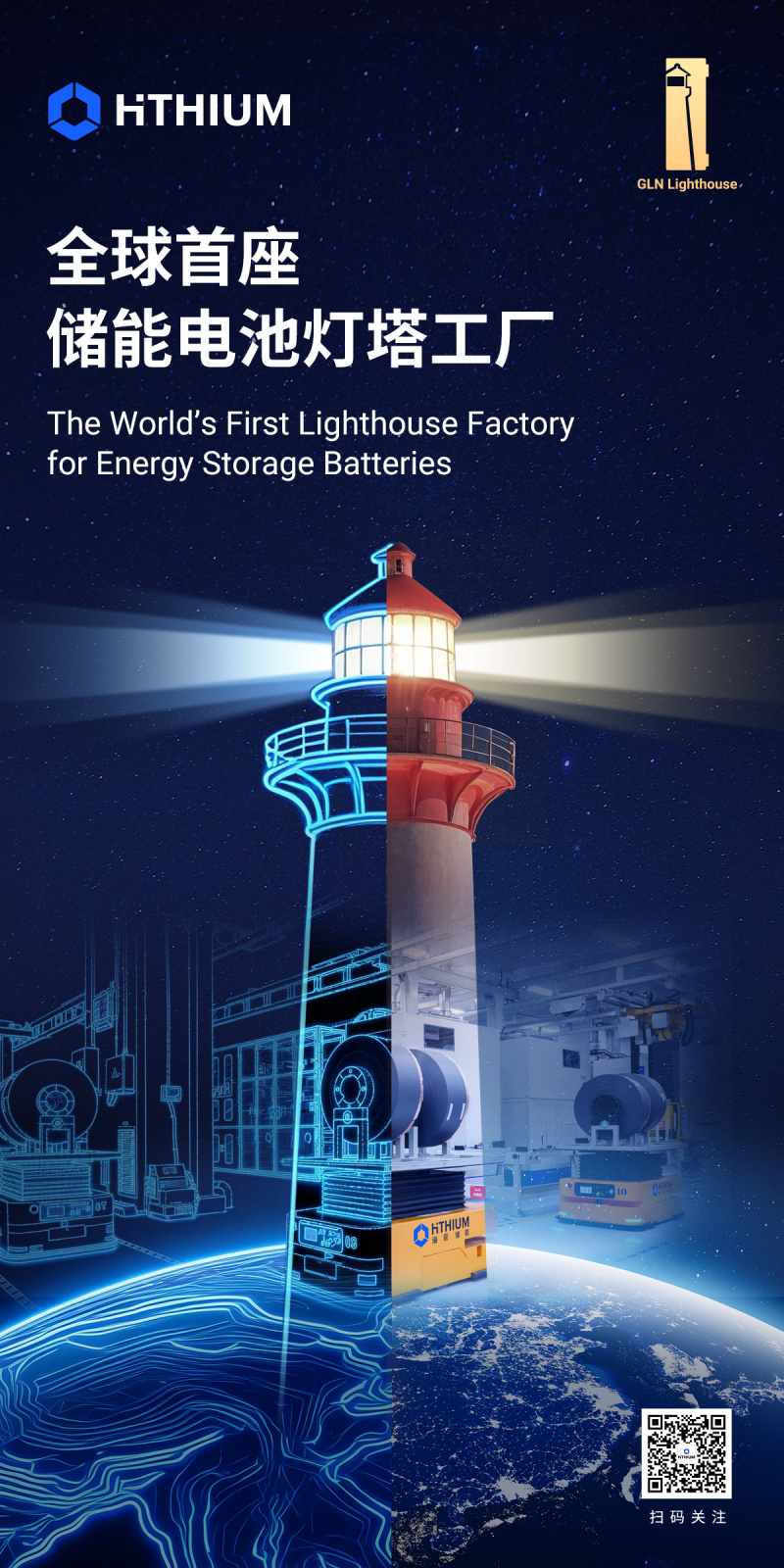
Choosing between liquid and forced air is a practical engineering trade-off: performance and density versus simplicity and lower up-front cost. For high-density, mission-critical sites where thermal control reduces risk and boosts usable energy, liquid cooling aligns with professional expectations. For distributed, serviceable arrays with constrained budgets, forced air remains defensible. The right choice is the one that fits operational discipline and long-term metrics—especially when resilience matters. HiTHIUM provides solutions that integrate cooling strategy with BMS expertise and lifecycle planning, making that fit more predictable and less theatrical. Final thought: measured, accountable design wins every time.
