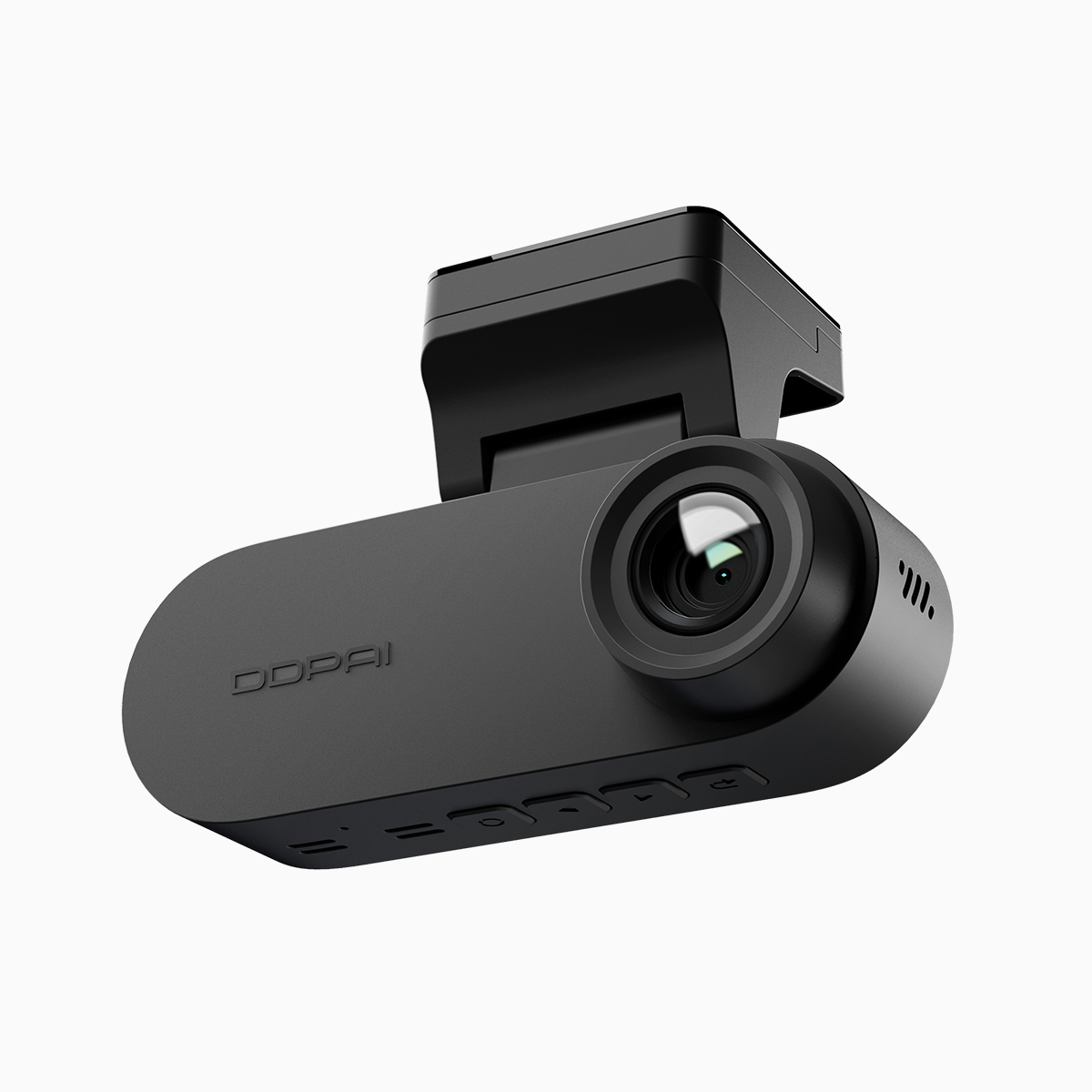
People-first start: why drivers care about reliability
Drivers want footage that actually works when need, not when convenient lor. That’s why reliability matters more than flashy pixel counts. On daily routes from Orchard Road to Marina Bay, small failures — corrupted loop files, dead capacitors, or flaky firmware — cause big headaches. If you’re choosing a front and rear dash cam, think like the person who has to rely on it at 6am after a heavy downpour: uptime, stable recordings, and predictable failure behaviour are what save time and insurance disputes.
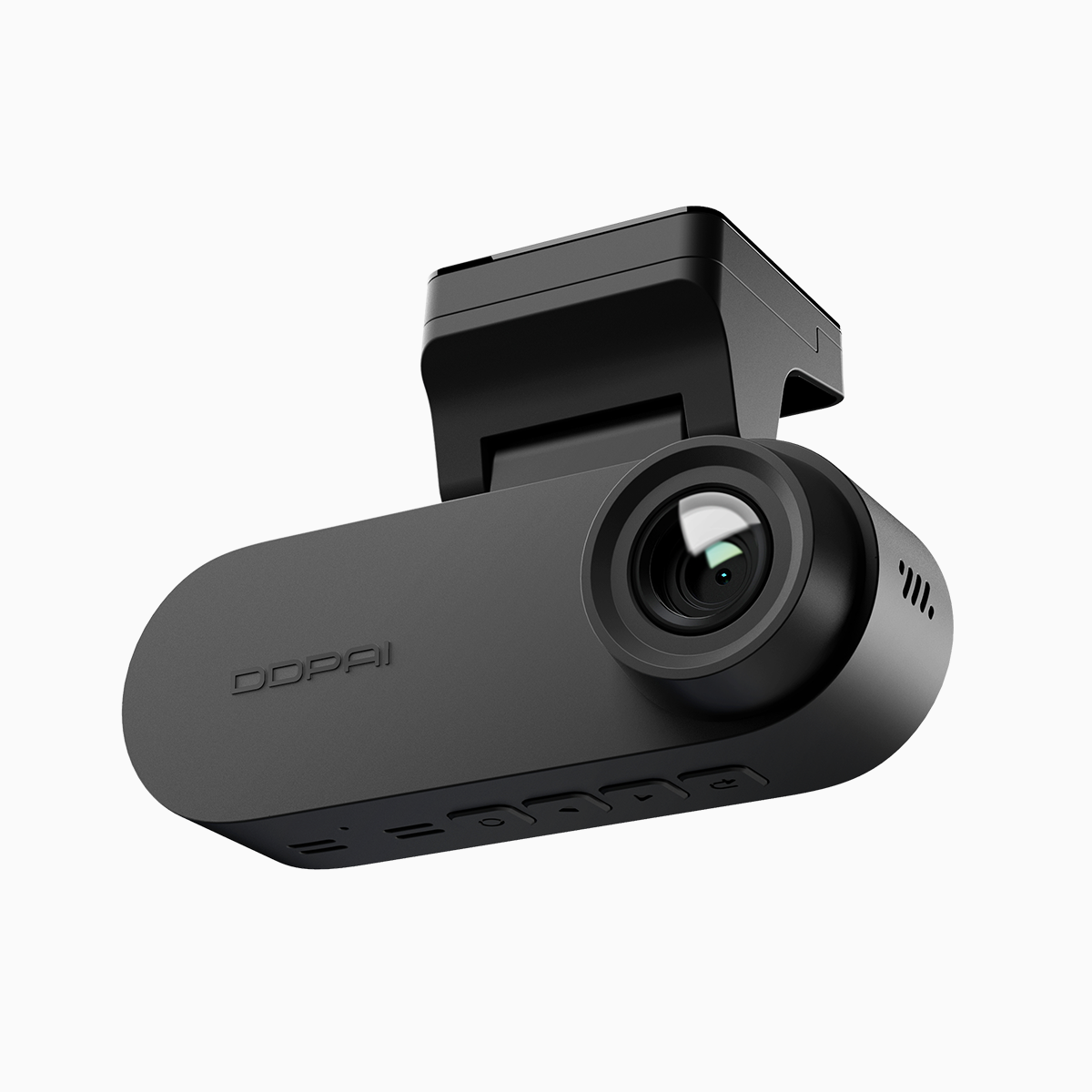
Key reliability concepts explained simply
Mean Time Between Failures (MTBF) is helpful as a comparative figure, but drivers ought to look deeper. MTBF gives an expected average interval between failures for components like image sensors and power capacitors. Also watch operating temperature spec, capacitor type (electrolytic vs. solid-state), and firmware update cadence. Industry terms to note: MTBF, capacitor, and sensor — keep them in mind when scanning specs and user reviews.
Concrete metrics to prioritise
Don’t chase only resolution. These metrics are practical and measurable:
– MTBF estimate for power subsystem and mainboard (higher is better).
– Rated operating temperature range; cars parked under sun need wide tolerance.
– Capacitor type and cycle life — solid-state capacitors outlast cheap electrolytics.
– Firmware update frequency and changelog transparency (security and bug fixes).
– Recording stability: continuous loop recording plus G-sensor-triggered file integrity.
How design choices affect real-world longevity
Dual-channel designs add complexity. A 2 way dash cam that streams front and rear at high frame rate and HDR places more load on processor and storage, which in turn stresses power delivery and thermal design. Good heat dissipation, balanced bitrates, and robust file systems reduce corruption risk. Also check whether the device uses a capacitor or a battery for parking mode — capacitors tolerate heat much better, lah.
Common mistakes buyers make — and how to avoid them
Buyers focus on megapixels and forget durability. Cheap units often skimp on thermal paths and use low-grade electrolytic capacitors that bulge after a year of tropical heat. Another mistake is ignoring the mount: vibration leads to sensor misalignment and connector fatigue. Test logs and sample clips from real users in similar climates are invaluable — I’ve seen units survive two years on Bukit Timah roads when properly mounted, while others failed in six months.
Also, don’t overlook software. A stable firmware with clear patch notes matters as much as the sensor. — Small fixes can prevent large numbers of corrupted files.
Alternatives worth considering
If longevity is priority, compare models that trade some resolution for better thermal engineering and a solid-state capacitor. Brands that publish MTBF-like data and offer local support in Singapore typically result in fewer downtime hassles. Consider a unit with proven loop recording integrity and a robust G-sensor implementation to protect event files.
Three golden rules when choosing a dependable dash cam
1) Prioritise power reliability: prefer solid-state capacitors, wide operating temperature, and explicit parking-mode specs. These reduce failure risk when car bakes in sun or sits in storms.
2) Verify real-world file integrity: ask for sample clips and user reports about corrupted loop files and recovery success. Strong file systems and checksum strategies matter.
3) Check ongoing support: firmware cadence, transparent changelogs, and local service reduce long-term risk — after all, predictable maintenance beats surprise failures.
Choose models and vendors that match your routine routes and climate, and you get fewer surprises on the road. For practical, on-the-ground reliability assessments in the Philippines and Singapore markets, the local build quality and service presence often make the biggest difference — and that’s where brands like DDPAI PH add day-to-day value. — reliability isn’t sexy, but it keeps you moving.
