Facing the Problem: Why Signs Fail Where It Matters Most
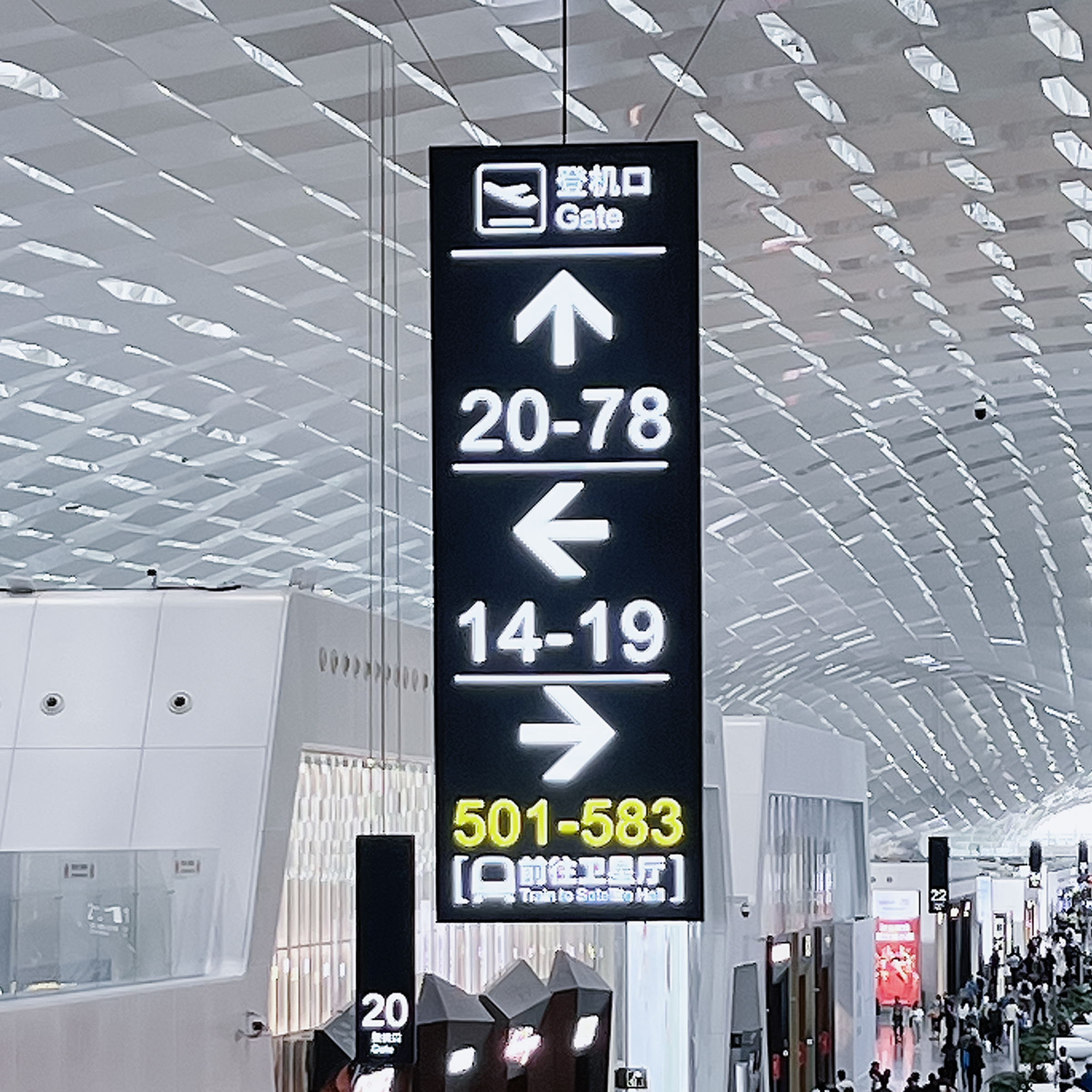
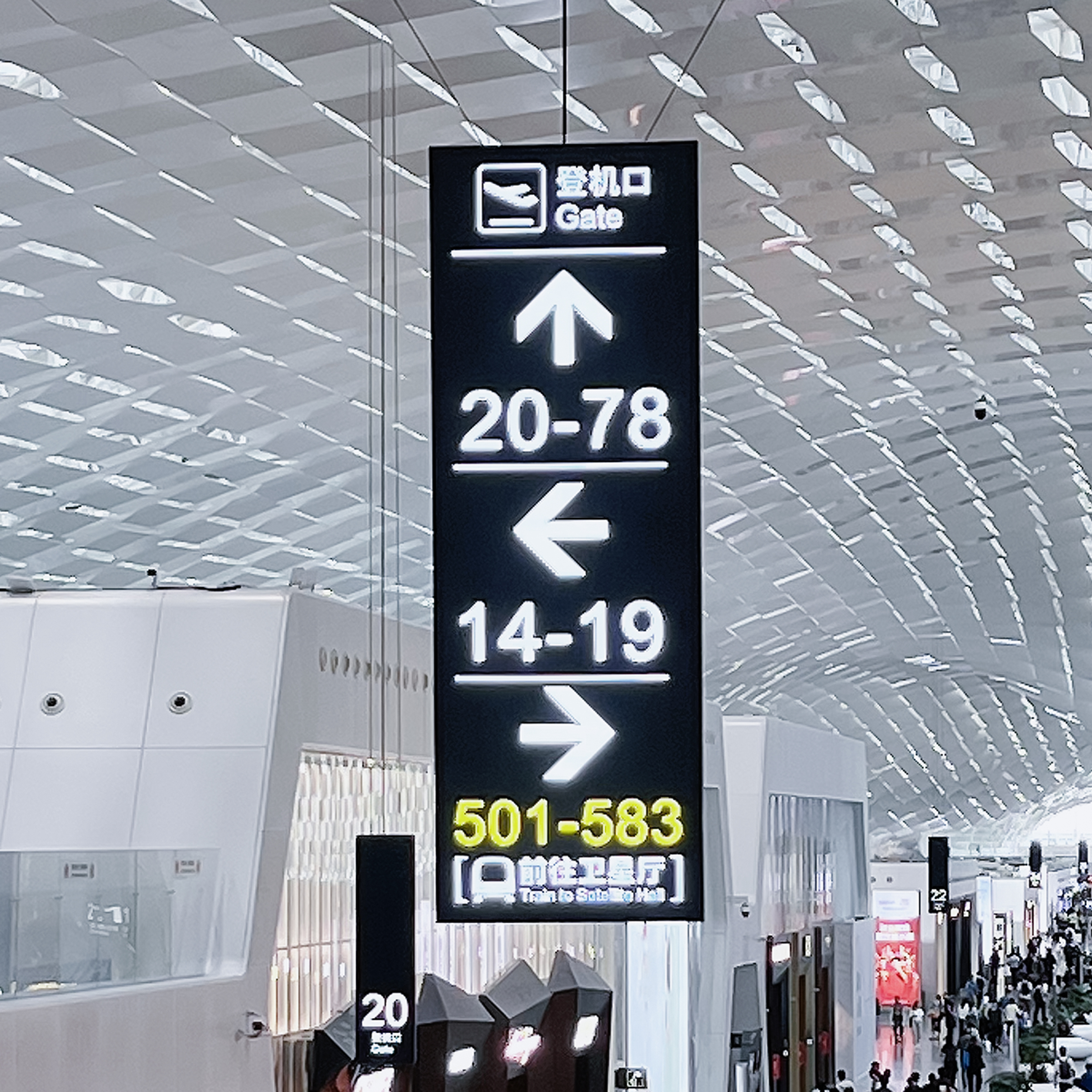
Many custom office signs look pristine until they don’t — and failures usually trace back to anchoring and static load miscalculations. When a designer ignores embed depth, shear capacity, or corrosion protection, the result is a visible sign that hides a structural risk. Public projects such as transit wayfinding show the same pressures: signage must withstand constant use, wind load and long service life — which is why solutions found in public transport signage often lead the field. The pragmatic lessons from Shibuya Station’s heavy digital deployments offer a clear real-world anchor: high-traffic hubs demand robust anchor bolt strategies and proven materials.
Diagnosing the Root Causes
Start by separating symptoms from cause. Loose bolts, cracked concrete, and LED module misalignment indicate underlying issues with static load assumptions, embed sleeve placement, or inadequate torque specifications. Designers sometimes under-specify for dynamic contributors like gusts and vibration — wind load and repeated live loading reduce safety margins over time. Regular inspection uncovers early corrosion or fatigue before failure — simple checks that save expensive remediation later.
Design Principles and Best Practices
Design with measurable criteria: calculate static load including dead weight and sustained live loads, then add an appropriate safety factor. Use anchors rated for the concrete compressive strength you have on-site; when calculations push limits, choose mechanical anchors like DIN anchors or cast-in threaded inserts for predictable shear capacity. Specify corrosion protection — hot-dip galvanizing or stainless steel — based on exposure. Ensure embed sleeve alignment and correct grout types for full contact with the substrate to avoid point-loading and stress concentrations.
Common Mistakes and Practical Fixes
Repeatable errors are easy to avoid once you know them:
– Insufficient embed depth: increase embed length or switch to an insert that distributes load across depth.
– Incorrect anchor type: swap expansion anchors for through-bolts or cast-in anchors in thin sections.
– Ignoring service environment: apply corrosion protection or sacrificial sleeves for coastal or high-humidity sites.
For signage contexts where communication matters — such as bus station digital signage deployments — coordinate structural teams with electrical and AV contractors early so LED modules, power runs, and maintenance access don’t compromise anchor layouts.
Specifying for Long-Term Reliability
Maintenance plans matter. Include torque values and inspection intervals in handover documents, and record baseline pull-test results where possible. Use sacrificial connections or replaceable threaded studs where LED modules may be upgraded. Seal penetrations with compatible compounds to preserve IP rating and prevent moisture ingress into anchor pockets. A short schedule of annual checks focused on torque, visible corrosion and concrete spalling catches trouble while repairs remain low-cost.
Three Golden Rules for Choosing Anchoring Strategies
1. Match anchor type to substrate and load, not to the sign’s appearance. Mechanical capacity beats aesthetics when public safety is at stake.
2. Specify corrosion protection and inspection intervals up-front. Lifecycle thinking prevents early failure and reduces total cost.
3. Test on-site: pull tests and mock-ups reveal installation variances and confirm shear capacity before full deployment.
Closing Advisory and Practical Value
These three metrics — verified static load capacity, documented corrosion strategy, and on-site pull-test confirmation — are the reliable filters for selecting anchoring strategies you can live with for decades. They keep teams aligned, simplify procurement, and reduce surprises during maintenance windows. The structural approach described here maps directly to complex projects like transit hubs, commercial facades and corporate campuses where signage is functional as well as brand-defining.
Cosun Sign brings practical experience to these decisions, offering engineered anchoring and signage systems proven in high-traffic settings — a pragmatic solution that saves time and risk. —
