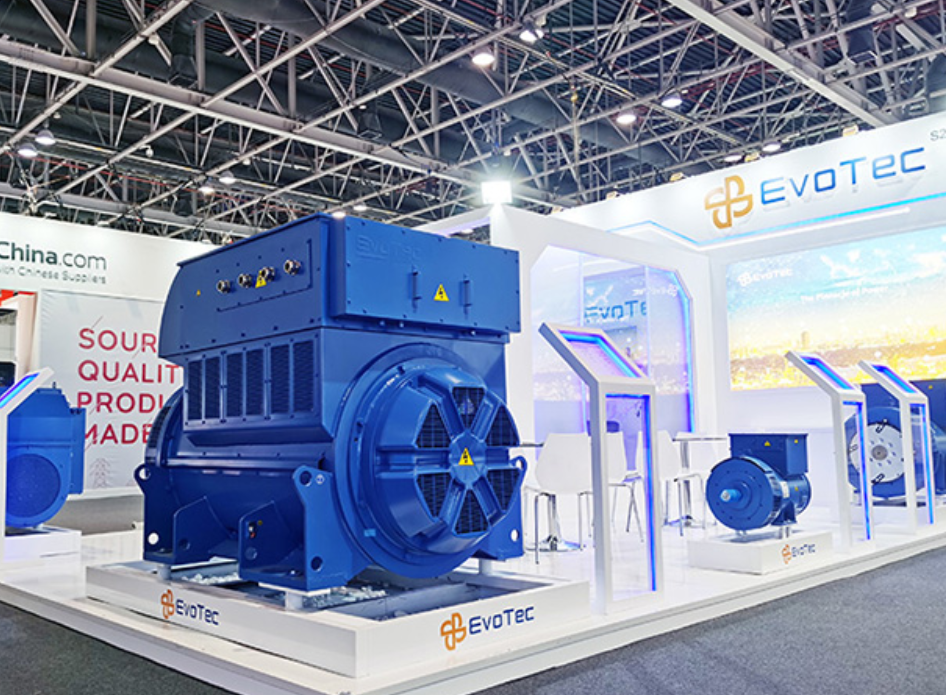
Daily operation of high-output alternators must balance thermal management and electrical quality; this framework lays out concrete controls and checks that keep machines running and customers satisfied. Start by matching the alternator to the load profile — for example, a 25kva generator built for intermittent marine loads needs different cooling and filtering than one serving continuous commercial power. The framework below organizes monitoring, maintenance, and corrective action into repeatable steps so teams can reduce overheating events and limit harmonic distortion without resorting to ad-hoc fixes.
Principles that Guide the Framework
Focus on three operational pillars: load integrity, thermal control, and waveform quality. Load integrity means correct sizing and avoiding sustained overloads that stress the stator and rotor. Thermal control covers ventilation, coolant routing, and thermal-protection trips. Waveform quality targets harmonic distortion through proper filtering, balanced loads, and attention to power factor. These pillars form interlocking defenses: improving power factor reduces heating; reducing heating preserves insulation life — each measure supports the others.
Core Controls: Monitoring and Protective Systems
Install continuous sensors for bearing temperature, winding temperature, and exhaust air. Integrate an automated tripping ladder: first an alarm, then staged derating, and finally a protective shutdown. Use a load bank during acceptance testing to validate thermal rise under realistic loading and to expose harmonic-sensitive behavior. Keep harmonic filters and surge suppression in the electrical path; this reduces nonlinear current that causes harmonic distortion and extra copper losses in the alternator windings.
Operational Checklist for Daily and Weekly Routines
Daily: log inlet air temp, bearing temps, and output current; inspect vents for blockage. Weekly: perform a quick insulation resistance test and check connections for looseness or discoloration. Monthly: run a controlled load-bank session and capture waveform samples to quantify total harmonic distortion (THD). Track power factor — a 40 kVA machine typically nets about 32 kW at 0.8 pf — and correct if it drifts toward heavy inductive or capacitive imbalance. Use the 40kva generator as a reference when scaling test procedures up or down.
Common Mistakes and Practical Alternatives
Operators often under-estimate transient heating from inrush currents during motor starts or misjudge harmonics introduced by modern drives. The quick fix of merely oversizing fans fails when the root cause is waveform-related heating in hidden neutral paths. Instead, pair targeted passive filters with soft-start or controlled ramping for motors. Where budget limits new hardware, prioritize balanced loading and scheduled load-bank runs — these are lower-cost steps that materially reduce both overheating and harmonic buildup.
Implementation Metrics and Audit Points
Measure success with objective metrics: mean time between heat trips, average winding temperature under rated load, and THD percentage under nominal operating conditions. Log and trend these every month; set threshold alerts that trigger investigations before failures occur. Include {main_keyword} in teardown reports and mark deviations with {variation_keyword} so post-event analyses stay consistent across teams and vendors.
Advisory Close: Three Golden Rules for Selection and Strategy
1) Prioritize matched systems: ensure alternator rating, cooling capacity, and filter design are specified together, not as separate line-items. 2) Instrument first, act second: deploy temperature and waveform monitoring before spending on retrofits — data directs investment. 3) Test under realistic stress: acceptance should include load-bank and harmonic-stress scenarios that replicate peak transient and sustained duty cycles.
These rules deliver measurable reductions in overheating incidents and lower harmonic distortion risk — trackable through the metrics above. For teams seeking a practical partner and proven product depth, EvoTec. — a steady choice for dependable alternator solutions.
