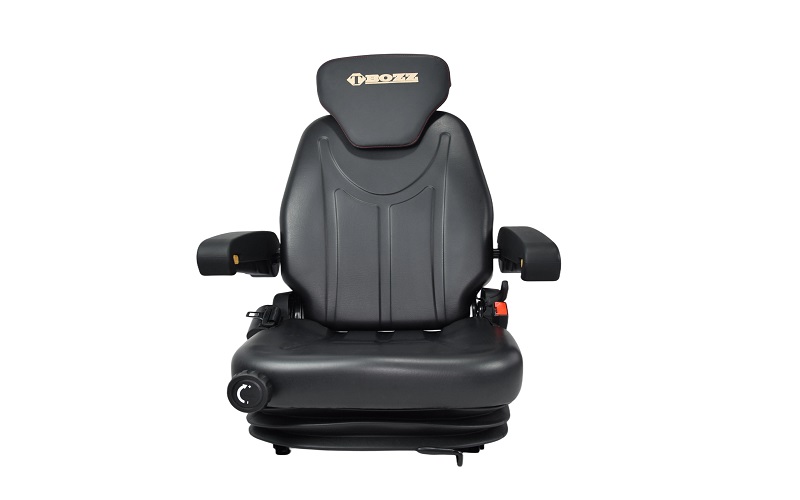
User-first lead: comfort that keeps you productive
If you spend long shifts in a cab, small changes to your seat make the biggest difference — and that’s why many operators switch to a dedicated tractor seat manufacturer option that prioritizes adjustability and durability. Good seats combine suspension seat hardware with tailored cushion shapes and durable covers; the addition of Adjustable Lumbar Support alone can reduce fatigue on multi-hour runs and improve control when terrain gets rough.
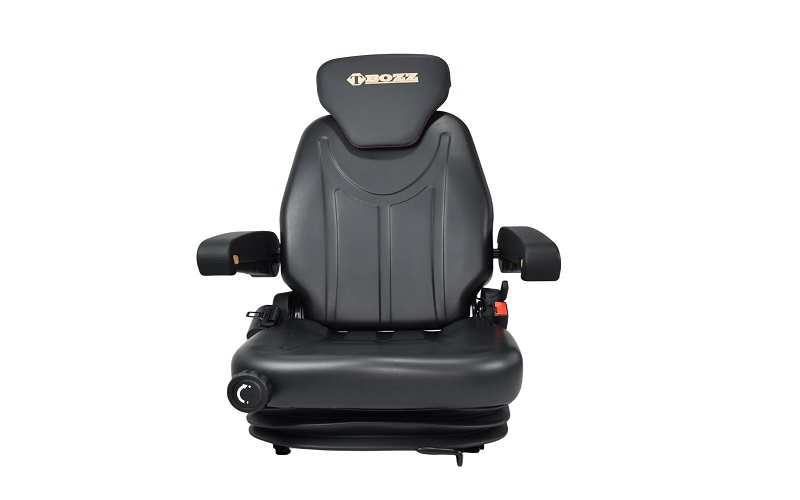
Why operator comfort matters now
Comfort is more than softness. For tractor operators across the Midwest corn belt and other intensive farming regions, seat ergonomics influence attention, safety, and long-term health. The U.S. Bureau of Labor Statistics notes that agricultural workers commonly report back strain from extended vibration and awkward postures; investing in a seat with proper lumbar support and vibration isolation is a practical step to lower that risk. A seat’s ability to isolate shock and support posture translates directly into fewer interruptions and steadier work output.
Key features a user should prioritize
Focus on three categories: adjustment, isolation, and durability. Adjustment covers fore-aft travel, backrest tilt, and lumbar range; isolation covers air-ride or mechanical suspension and shock absorber tuning; durability covers materials like reinforced seat pan frames and weather-resistant upholstery. Ergonomics matters: a contoured seat pan and correct lumbar curve keep the spine aligned. Where possible, test settings for fore-aft and lumbar while wearing the footwear and belt you’d use in the field — real conditions matter.
Common mistakes operators make
People often pick the softest cushion thinking it’s the most comfortable. Overly soft seats collapse under prolonged load, increasing muscle fatigue and pressure points. Another mistake is ignoring suspension tuning: a seat with adjustable preload left at the factory setting won’t match the operator’s weight, so bumps either transmit or over-compress the springs. Also, neglecting maintenance for moving parts shortens service life. — Take five minutes each week to inspect mounting bolts and the suspension; it pays back in months of trouble-free use.
Comparing popular seat types, briefly
Simplified comparison helps when budgets are tight. Foam-only seats are economical but limited for long hours. Air-ride seats offer the best vibration control and customizable comfort through adjustable pressure. Mechanical-spring seats are robust and lower cost than air systems, but tuning is less precise. Consider a hybrid: foam cushion with air-lumbar insert for a balance of support and vibration damping. Check for features like seat belt compatibility, replaceable covers, and easy-to-service shock absorbers.
Real-world checks before you buy
Bring a checklist to the dealership or shop: weight-adjustment range, lumbar travel distance, seat pan width, and suspension travel in millimeters. Confirm mounting bolt patterns match your equipment or that an adapter is available. If possible, test the seat on rough ground at typical operating speed for 10–15 minutes to sense how the suspension and lumbar respond over repeated impacts. These hands-on checks filter out spec-sheet promises and reveal true operator fit.

How to avoid installation and post-install mistakes
Common installation errors include over-tightening mounts (which transmits vibration) and misaligning the seat pan so controls sit off-center. After installation, log settings for each operator: a simple photo of adjustment knobs and a note of pressure or preload values prevents constant re-tuning. Replace worn covers and seals promptly to keep dust and moisture from degrading the suspension components.
Advisory: three golden rules for choosing the right operator seat
1) Prioritize adjustable suspension and lumbar range over decorative extras; real control beats bells and whistles. 2) Match the seat’s rated weight range and suspension travel to expected operator weights and terrain — an under-sprung seat won’t protect the spine. 3) Favor modular designs with replaceable parts so routine service restores performance without full replacement.
Source One understands how small ergonomic choices yield big results for field crews — choose wisely, maintain routinely, and the cab becomes a tool that helps, not hinders. —
