Where the rubber meets the soil
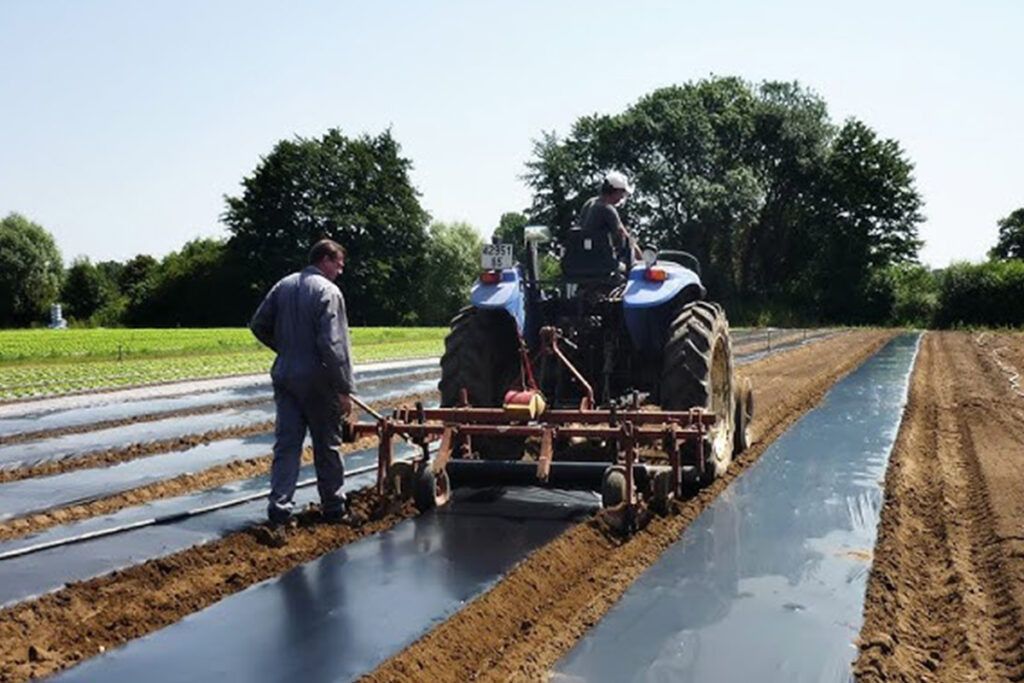
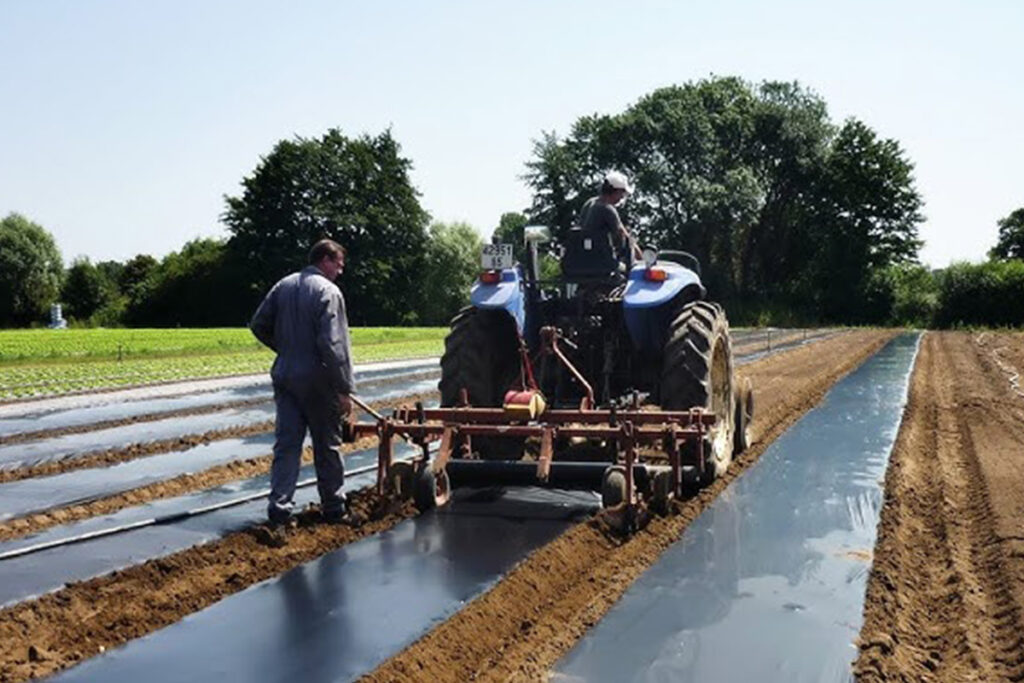
I was kneeling in a soggy row of Roma tomatoes when I realized the “simple” cover had become the biggest headache of planting season—this was Cape Cod-adjacent, June 2019, and the first week’s stand was patchy. On that site I’d laid a 15-micron black LDPE and watched a 40% loss in emergence; the scenario + data + question: a routine mulch job, measurable crop loss, what went wrong? That day taught me the hard limits of plastic mulch film in real field conditions (wind, puncture points, and cheap seam welding). I mention this because I don’t theorize from a desk—I’ve seen the ripped edges, the UV-brittle flakes, the blocked drip lines, and the soil temp swings. Mulching and drip irrigation are useful tools, but the traditional fixes—thicker film only, or simply using more staples—don’t solve the root failures.
What goes wrong most often?
The short list: poor UV-stabilization, inconsistent welds on seam joins, poor anchoring leading to air pockets, and films that shed micro-tears under tractor traffic. I vividly recall replacing rolls at 9 a.m. with a mechanic and a kid from the crew (he swore by a household staple gun—don’t). Those small tears widened into larger rips. A cheaper black film without proper UV stabilizers costs cents less per meter but can cost weeks in yield; that’s a quantifiable consequence I won’t forget. I also saw biodegradable film behave unpredictably in cold soils—degrade too fast, leave holes, and invite weed pressure. The flaw isn’t the idea of plastic mulch film itself; it’s the mismatch between product specs and the real world of soil texture, irrigation layout, and local microclimate.
Fixes forward: design, testing, buy-in
After two decades in ag supply I’ve shifted from selling “one-size” rolls to specifying systems. For starters, evaluate film by UV-stabilization metrics and tensile strength—not just price per kilogram. We ran side-by-side plots in Essex County in 2021 comparing a UV-enhanced LDPE against an untreated roll; the enhanced film held intact through three tillage passes and maintained a 4–6°F higher soil temp, which mattered for early set. I recommend pilots: one double-row at planting, full monitoring of soil moisture and strain points, and a week-by-week log. Plastic mulch film choices should match your irrigation map—if you rely on drip irrigation, ensure the film supports emitter placement and access without tearing when pegs are shifted.
Real-world impact?
Buyers need simple, measurable checks: tensile strength at break (N), UV hours to 50% tensile loss, and elongation percentage. I insist on records from suppliers—lab tests dated within 12 months. We’ve saved buyers in New England a season of re-lay work by moving them from 12-micron economy rolls to properly stabilized 15–20 micron alloys; short-term cost rose, but net labor and crop loss fell sharply. Also: avoid overcomplicated promises. Biodegradable film can solve disposal but introduces variability in cold springs (I watched it fragment by late May on one trial). Keep it practical—test, measure, and scale slowly. We learned to read supplier datasheets like farm manuals.

Three quick metrics to evaluate a mulch solution
1) Tensile strength and elongation at break — does the film stretch before it tears? 2) UV-stabilization hours — how long before mechanical properties drop 50%? 3) Field trial performance — documented local trial (one season, specific crop), not just lab data. Use those as your decision gate. They’re straightforward; use them. Also, talk to a rep who’s been on a tractor at 5 a.m. (ask me about the time a seam popped during a Nor’easter—classic). I’ll finish by saying this: good film selection is not glamorous, but it decides whether a planting day is productive or ruined. For reliable supply and tested options, see HGDN.
