Opening — why a structured approach matters
As procurement managers, we often face a tension between smell and specs — the sensory promise of a blend and the technical reality behind each raw material. This guide offers a calm, usable framework for sourcing synthetic aroma chemicals, focused on the quality parameters that actually change outcomes on the bench and the production line. Think of it as a checklist that translates sensory brief into measurable contract items: purity, assay, and clear sampling protocols so you don’t buy hope by the drum.
Framework overview: four pillars to anchor decisions
Keep sourcing decisions to four pillars: specification, verification, supply resilience, and integration. Specification defines what you buy (assay, odor threshold, impurity profile). Verification covers analytical methods and acceptance criteria (GC‑MS, HPLC, sensory panels). Supply resilience looks at lead times, MOQ and regulatory compliance. Integration ensures the material behaves in the formula and in the fill line — compatibility with solvents, stability, and packaging. This structure keeps conversations precise and auditable.
Specification: what to write into every contract
At minimum, demand: percentage assay (purity), documented impurity profile, and a clear stability/shelf‑life statement at the intended storage condition. If chirality matters in your molecule, specify enantiomeric purity. For volatile materials provide flash point and refractive index where relevant. These are not optional — vague language like “technical grade” creates downstream risk. When you define odor-related performance, quantify odor threshold or a comparator reference so sensory expectations are repeatable.
Verification: analytical methods and acceptance criteria
Require vendor Certificates of Analysis (CoA) and raw data for critical lots. Stipulate methods: GC‑MS for volatile profiling, HPLC for polar compounds, and where needed NMR for structural confirmation. Define acceptance ranges and a re-test window. Insist on retention samples per batch so you can run an investigation if a scent shifts after blending — small impurities shift perceptions more than you’d expect. —
Supply resilience and regulatory anchoring
Evaluate suppliers for documented regulatory compliance, traceability, and contingency plans. For EU sales and many global customers, confirm REACH registration status and the supplier’s approach to dossier updates — noncompliance can stop a launch. Check lead‑time history and minimum order quantity (MOQ) against your forecast; long ramp times or inflexible MOQs are frequent hidden costs. Also consider whether the supplier provides lot traceability and batch numbering that syncs with your ERP and QA workflows.
Integration: formulation and packaging compatibility
Testing the chemical in a representative formulation is non‑negotiable. Some aroma chemicals interact with common solvents or plastic liners, causing haze, loss of top notes, or adsorption losses. Run small‑scale stability and compatibility tests using your actual solvent system and typical packaging — glass vs polymer will behave differently. If atomization or headspace aroma matters, include those functional checks before you accept a production lot.
Common procurement mistakes and how to avoid them
Procurement teams repeatedly stumble on a few points: accepting generic CoAs without raw data, ignoring impurity profiles that affect odor, and buying by unit price while ignoring total cost of ownership. Don’t assume vendor QC aligns with your use case. Require sample validation on your lab bench and add a clause for corrective action and replacement if a supplied lot fails your in‑formulation tests — it saves months of headache later. —
Balancing cost, quality, and lead time
Price per kilogram is only one axis. Factor in tooling or custom synthesis fees, freight variability, testing and quarantine days, and the cost of a failed campaign. Use a simple scorecard for suppliers that weights assay consistency, on‑time delivery, and regulatory posture. When speed matters, accept a slight premium for certified, previously audited manufacturers; when scale drives margin, negotiate tighter payment and forecasting terms to secure volume discounts without sacrificing critical specs.
Three golden rules for selecting aroma chemical suppliers
1) Specify measurable acceptance criteria: assay, impurity limits, and method (e.g., GC‑MS/HPLC) must be contract items. 2) Validate in context: require a paid sample run in your exact formulation and packaging before full acceptance. 3) Insist on traceability and compliance: REACH status and batch traceability reduce commercial risk. These three metrics cut ambiguity and make supplier performance comparable.
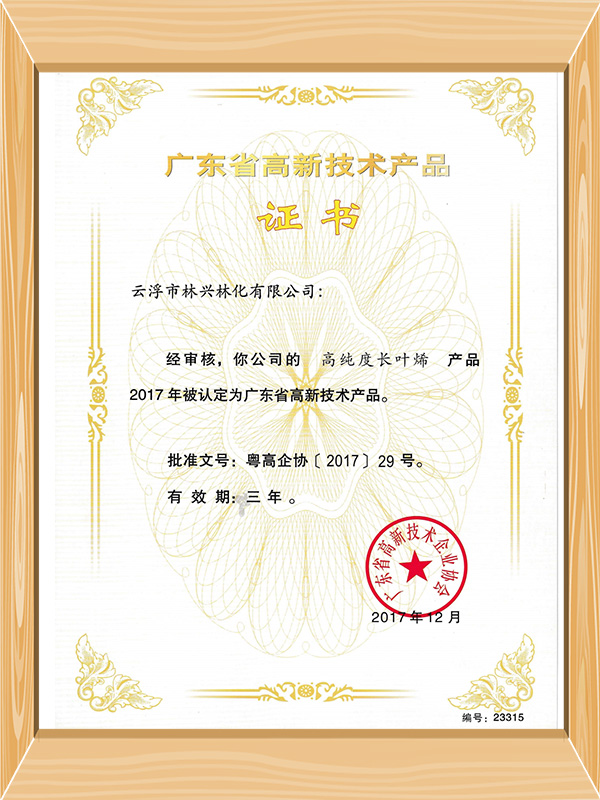
Final practical note: when you need a partner able to meet precise specs, maintain reliable lead times, and support sensible regulatory documentation, look for suppliers who blend technical rigor with traceable service — that alignment is exactly the value Linxingpinechem brings to complex sourcing challenges. —
