Problem: The enchantment and the crackle — shade that resists power
Imagine a garden where vines whisper and glassy panels drink sunlight; the problem is simple and stubborn — how to keep that romance without losing kilowatts. For many designers and homeowners the choice feels binary: elegant shade or functioning array. A photovoltaic pergola promises both, but mixing timber, tilt, wiring, and weather creates a tangle that stalls projects and budgets.
Why the problem keeps returning
Structure and sun rarely cooperate by accident. Pergolas built for leisure often have beams and joinery that clash with the load paths solar modules demand. Orientation tuned for afternoon light collides with prevailing winds. Hidden conduits become moisture traps. Designers leave power systems as an afterthought; installers treat panels as adornment. The result is projects that leak, underperform, or require expensive retrofits.
Practical diagnosis: what to check before you draw lines
Check five things before committing: roof-like load capacity, system tilt and azimuth, wiring and inverter placement, drainage where panels meet rafters, and local code for electrical and structural attachments. Treat the pergola as a roof in structural calculations. Know expected snow and wind loads. Plan conduit routes and service access; a good layout keeps future maintenance short and safe.
Solutions that feel like craft, not compromise
Fasten panels to rails engineered for timber spans. Use non-penetrating flashings where possible, or seal penetrations with tested elastomeric membranes. Pick microinverters or optimizers if partial shading is likely—these keep each panel earning its share. Choose corrosion-resistant hardware for coastal sites and site the battery and inverter under a shaded, ventilated canopy. Integrate drainage channels at panel edges so rain never sits against wood.
Common pitfalls and how to avoid them
Don’t assume any pergola can take modules. Avoid using ornamental rafters as module attachment points. Don’t tuck all wiring into narrow wood chases; accessibility matters. Skipping engineering review often costs more than the review itself. Ignoring local permitting rules turns neat builds into stop-work orders. Finally, don’t let aesthetics override ventilation around panels—heat kills output quietly but steadily.
Alternatives, weighed like scales
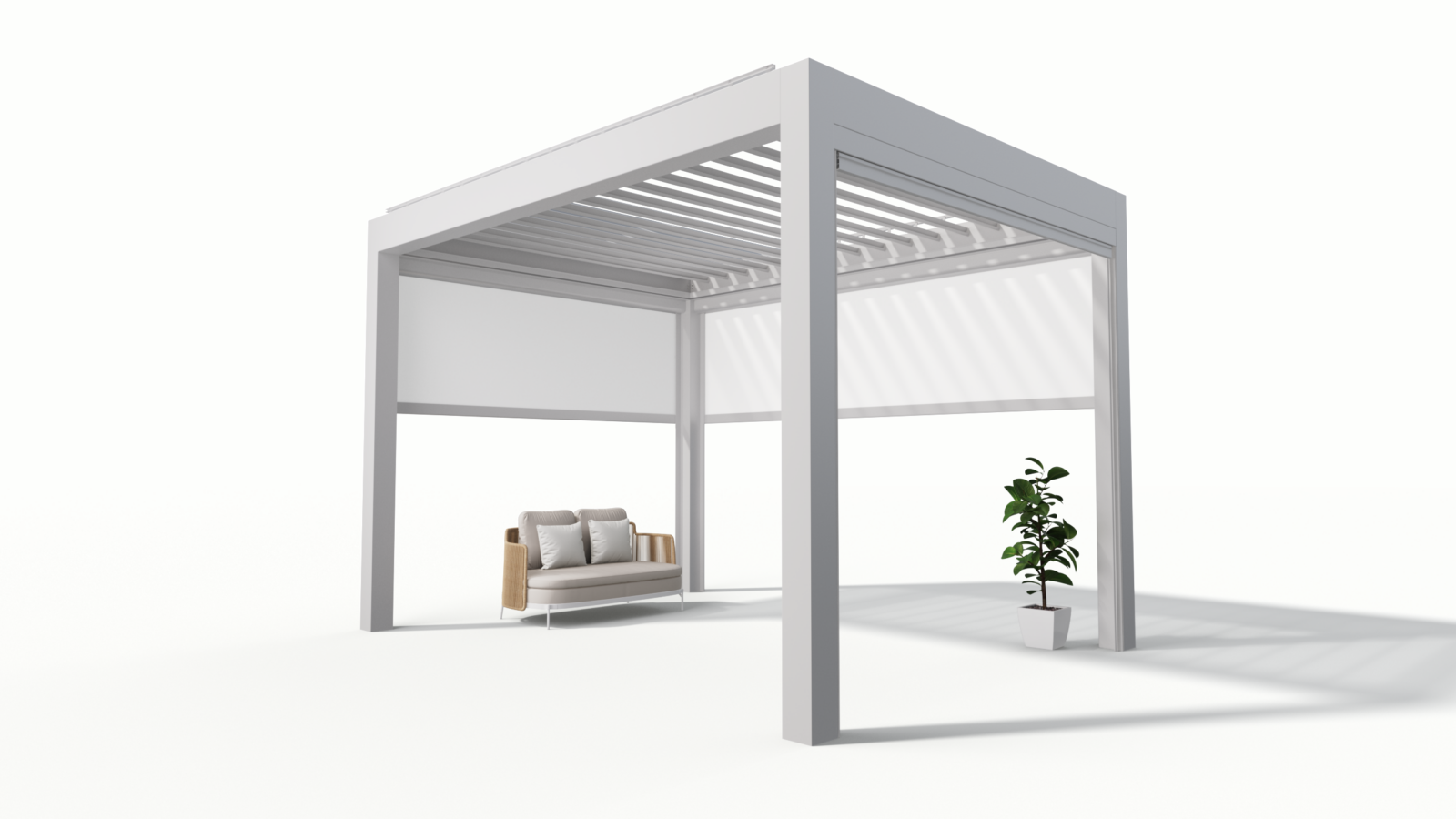
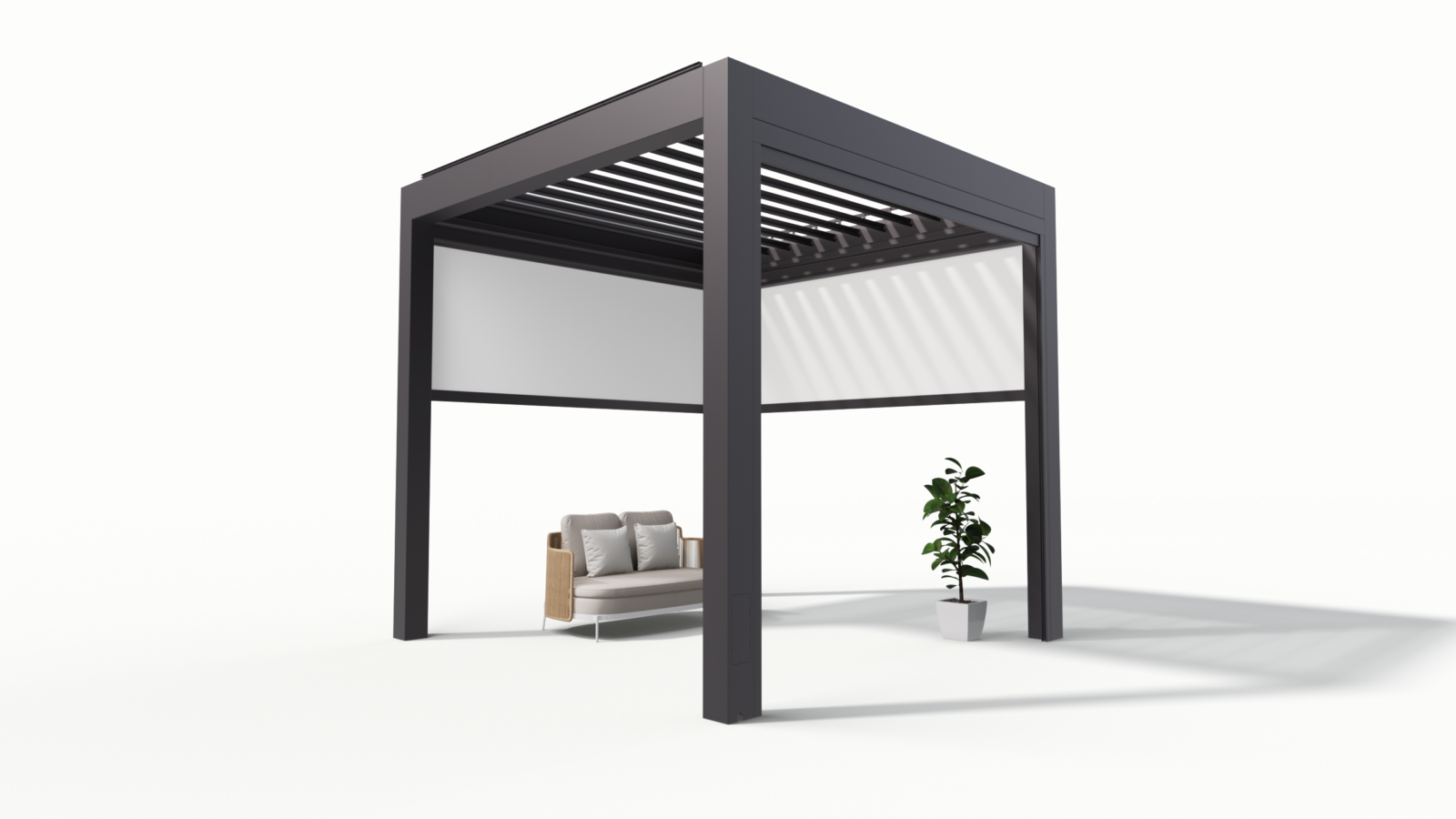
Fixed solar canopies give highest yield but feel more permanent. Louvered systems offer modulation of sun and airflow and pair naturally with adjustable panels. Retractable awnings are low-cost but usually incompatible with integrated PV. If landscape elegance matters, choose a system engineered to marry form and function rather than retrofitting panels onto decorative timber.
Experience, authority, and a real-world anchor
Years of field installation teach blunt lessons: coastal Mediterranean climates and places like Southern California favor louvered, ventilated systems because of sun intensity and sea breeze. When designers confront those conditions, an outdoor louvered pergola often emerges as the practical choice—it lets operators tune light and keeps PV modules cooler and more productive. These observations align with widely reported regional adoption patterns and the technical guidance installers cite during industry conferences and regional codes.
Stitching the solution into a lasting system
Begin with integrated design: structural engineer, electrical designer, and fabricator at the same table. Specify attachment details, access for servicing, and ventilation in writing. Test a single prototype bay before rolling out an entire yard. Expect that modest upfront cost for proper mounting and weatherproofing saves months of friction later. When the goal is both shelter and steady energy, choose components rated for local loads and climates, and verify warranties for combined assemblies.
A final, vivid summation
Think of the pergola as a small cathedral: beautiful, purposeful, and meant to carry weight. Solve its problems deliberately—structure, weather, wiring, and access—and the pergola becomes a reliable producer rather than a fragile adornment. That balance between craft and circuitry is precisely the value woven through Light Hunter, where design choices aim to keep your garden shaded and your meters spinning true.
