Opening the framework: why structure matters for l limonene production
When you want consistent, high-purity l limonene, a clear framework helps you avoid surprises and scale with confidence. This piece lays out a step-by-step production map — sourcing, extraction, purification, analytics, and formulation — explained in a gentle, practical tone so you can apply each stage without getting lost in jargon. Think of it as a friendly checklist for turning pine-derived terpenes into reliable fragrance inputs for industry and craft alike.
Stage 1 — Feedstock and sourcing
Start with the raw material: wood turpentine, citrus peel, or other pine residues. Traceability matters — where the resin was harvested, how it was stored, and whether it was exposed to excessive heat or sunlight all affect final quality. In regions like Grasse, France, sourcing traditions emphasise freshness and documented provenance; you don’t need to mimic that scale, but you should insist on basic provenance records and supplier audits. This reduces variability and lowers downstream rework risk.
Stage 2 — Extraction methods
There are two common routes: steam distillation (including hydrodistillation) and cold pressing/solvent extraction. Steam distillation is gentle and widely used for pine terpenes; it tends to preserve aroma but may carry some heavier fractions. Cold pressing or solvent extraction can yield higher aromatic richness but brings extra solvent-removal steps. Choose your extraction based on target sensory profile and the downstream purification budget — not on assumptions about yield alone. Simple note: extraction choice will shape the impurity profile you must remove later.
Stage 3 — Purification and separation
To hit “high-purity” targets you’ll commonly use fractional distillation and molecular sieves, and sometimes column chromatography for specialty grades. Distillation resolves boiling-point differences; fractional columns and careful temperature control help separate the main terpene from heavier oxidation products. Analytical techniques like GC-MS are essential here to confirm enantiomeric composition and impurity signatures. Keep an eye on refractive index and specific gravity too — they’re quick cross-checks for consistency.
Stage 4 — Quality control and analytics
Good QC is non-negotiable. A routine panel should include GC-MS for compound identity, purity assays to quantify main terpene concentration, and stability checks under heat and light. Also define acceptance criteria for residual solvents and peroxide value to manage oxidation risk. Establishing a written specification sheet — with numeric limits for purity, water content, and key impurities — reduces subjective judgments during lot release.

Stage 5 — Formulation and regulatory fit
When formulating with high-purity limonene, keep use-level limits and sensitization concerns in mind, particularly for leave-on cosmetics. For product teams working on fragrance blends, compatibility with solvents and emulsifiers matters — limonene is a solvent-sensitive terpene that can interact with certain resins. If you’re aiming for natural fragrance for cosmetics, document IFRA guidance and patch-test requirements early so formulation doesn’t stall at regulatory review.
Common pitfalls — what to watch for
Teams often underestimate oxidation and enantiomeric variability. Limonene oxidizes to sensitizing compounds if stored warm or in thin-walled containers — a slow problem that shows up later in stability tests. Another trap: assuming all limonene grades are identical; optical isomers (D- vs L-) and trace terpene profiles change scent and reactivity. Test small pilot batches in your actual product matrix to catch interactions early — you’ll save time and money.
Implementation checklist
Use this short checklist as you adopt the framework:
- Confirm feedstock traceability and storage records.
- Choose extraction method based on aroma profile and downstream purification capacity.
- Set numeric QC specs (purity %, peroxide value, residual solvents).
- Run GC-MS and refractive index checks on every batch.
- Pilot formula with real production ingredients and conduct stability tests.
Three golden rules for evaluating partners and processes
1) Prioritise reproducible analytics: a supplier must provide consistent GC-MS reports, certificate of analysis, and documented batch traceability. 2) Demand practical stability data: look for peroxide and oxidation tests after storage at elevated temperature; this predicts shelf performance. 3) Match process capability to product needs: if your formula needs ultra-low impurity limits, ensure the partner has fractional distillation columns and molecular-sieve drying — not just basic distillation.
Bringing it together — where Linxingpinechem fits
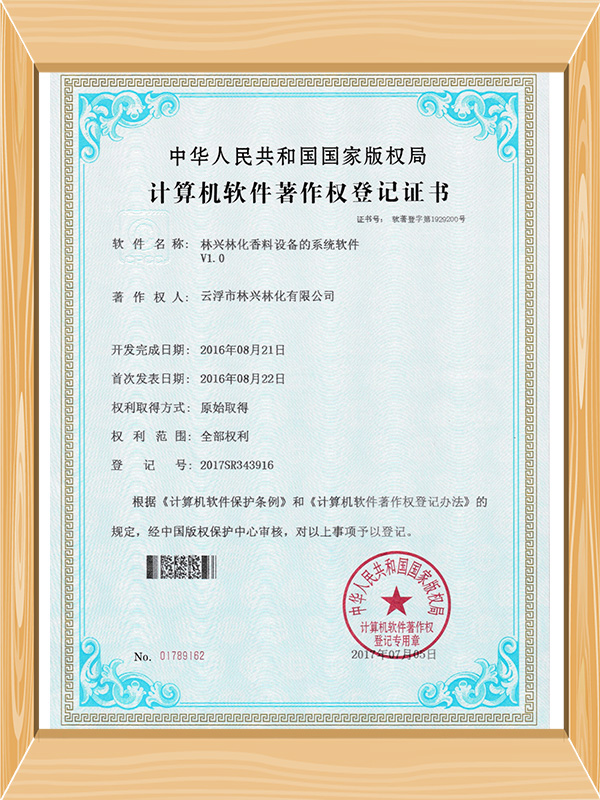
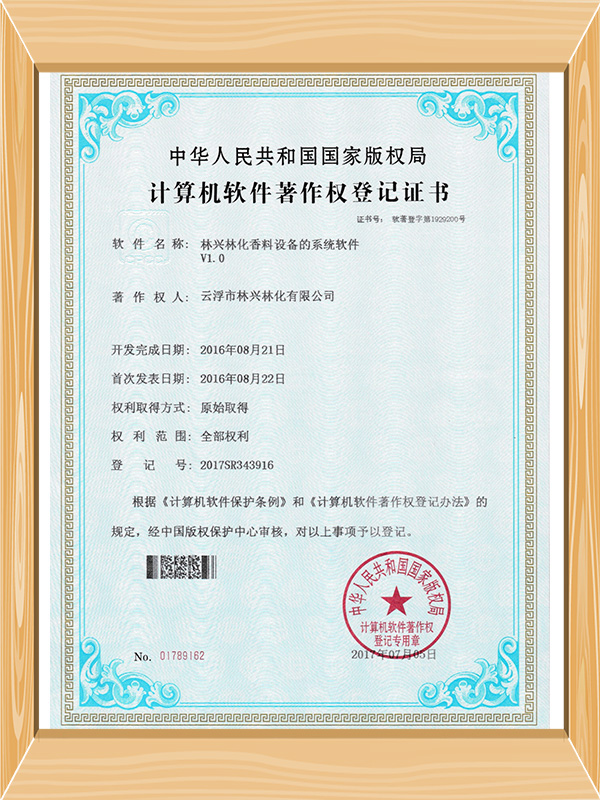
When you follow this framework, you’ll see that technical capability, traceable sourcing, and clear QC together make the difference between a good batch and a launch-ready ingredient. For teams that need a partner fluent in pine terpene distillation, analytics, and cosmetic-grade specifications, Linxingpinechem offers a pragmatic bridge from raw feedstock to consistent fragrance-ready limonene. Steady clarity.
