Introduction: A Practical Question to Start
Have you ever watched a finished part come off a machine and wondered whether a different choice at the start would have made the whole job easier? I ask because many shops make a choice once — then live with its consequences for years. Vertical machining center manufacturers face measurable trade-offs every day: throughput numbers, spindle speed ranges, and maintenance windows all carry cost. (I’ve seen spreadsheets where a single machine choice altered lead time by 20%.) So here’s the question I want you to hold as you read: how do we pick the right center to balance accuracy, cost, and flexibility without overpaying for features we never use?
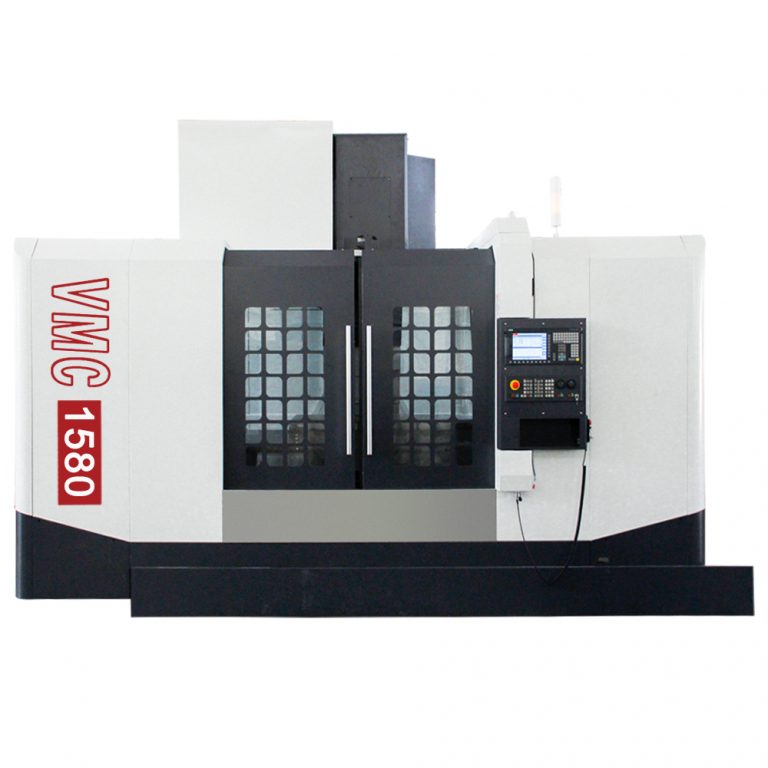
I’ll walk you through a clear comparison — no hype, just hard observations and a few lessons I’ve learned the hard way. We’ll look at where common assumptions fall short, dig into the real user pain points, and end with concrete metrics you can use to evaluate machines. Ready? Let’s jump in.
Part 1 — Where Common Solutions Break Down (Deep Dive)
When I talk about failures in standard approaches, I usually point to the mismatch between design promises and shop-floor reality. A classic example is the horizontal or vertical turning machining center touted as “one-size-fits-all.” In practice, spindle speed, tool changer capacity, and axis accuracy limits become the bottlenecks. Look, it’s simpler than you think: you can have a high spindle speed but poor coolant delivery, or an excellent tool changer that’s slowed by weak CNC control. These contradictions cost time and money.
Where does the mismatch come from?
I break it into two pieces. First, manufacturers often design for peak specs — top RPM, max feedrates — because those numbers sell. Second, users buy on specs rather than workflow fit. The result is machines with great servo motors and ball screw assemblies that still underperform because the shop’s fixturing and coolant system weren’t considered. That gap shows up as chatter, scrap, and endless fixture tweaks. I’ve seen shops add external fixtures and still lose parts to vibration. It’s frustrating — and predictable. The cure starts with honest assessment of what your process really needs versus what the sales sheet promises.
Part 2 — Comparing Paths Forward: Case Outlook and Practical Measures
Now I want to look forward. If you’re evaluating a new purchase — or advising a client — compare not just specs but outcomes. For example, choosing between two machines with similar spindle speed and tool changer specs, test them under your actual load: the part geometry, cycle time, and coolant strategy you use every day. I recommend running a short production-style test and tracking tolerance drift, cycle repeats, and tool life. Those numbers tell a truer story than RPM alone.
Also, don’t forget service and integrator experience. A great CNC control means nothing if your team can’t tune the PID gains or if the supplier’s spare parts lead time is long. I’ve been to shops where a reliable servo motor sat idle because a minor control board was back-ordered. — funny how that works, right? Choose partners who show real process support, not just glossy manuals.
What’s Next for buyers?
Look for machines that make honest trade-offs. If axis accuracy matters more than top speed for your parts, prioritize ball screw quality and thermal stability. If small-batch flexibility is key, value a flexible tool changer and quick-change fixturing. I favor empirical tests and short-term pilots — they reveal fit far faster than brochures.
Part 3 — Actionable Metrics and a Practical Close
As we wrap up, I want to give you three clear evaluation metrics I use when advising shops and suppliers (yes, I’ve sat on both sides). First: Process Yield over 30 Days — measure how many parts meet tolerance without rework under your exact setup. Second: Mean Time to Repair (MTTR) for critical components — spindle, CNC control, tool changer — because downtime drives real cost. Third: Tool Life Consistency — track average tool change intervals and variance; it often signals coolant or vibration issues that specs hide. These metrics align the machine purchase with operational reality, not marketing promises.
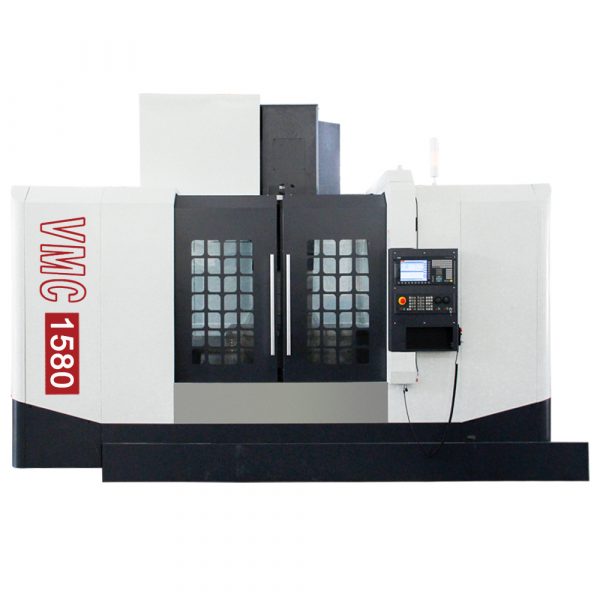
When you run these checks, you’ll see patterns fast. A machine that looks great on paper but produces variable tool life will cost you more in scrap and labor. Conversely, a slightly lower-spec machine that delivers tight tolerances consistently can be the smarter buy. I encourage you to pilot machines in real shifts, involve operators early, and set acceptance criteria tied to those three metrics. — and yes, that matters when budgets get tight.
Finally, if you want a starting point for supplier discussions, consider approaching a trusted cnc vertical machining center supplier with data from your pilot — cycle times, part drawings, and tolerance maps. Bring the numbers and ask for a side-by-side run. I’ve done this with several vendors and it cuts through marketing noise quickly. For manufacturers and buyers alike, the best decisions come from measured trade-offs, candid tests, and a few realistic expectations. For one reliable resource I often point to in conversations, check Leichman.
