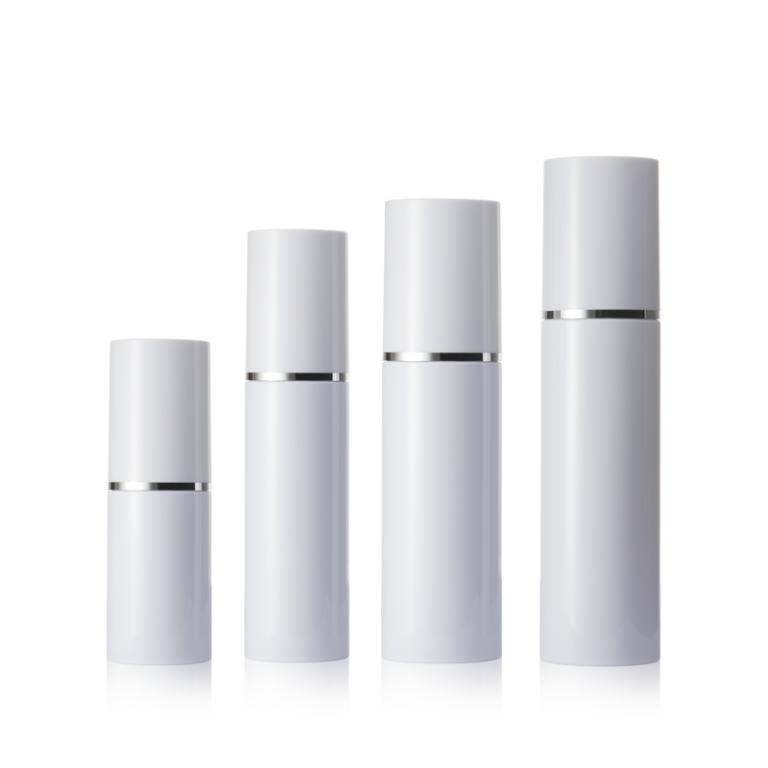
Setting the Stage: A Small Bottle With Big Ideas
Here’s a bold claim: your everyday dispenser is smarter than it looks. A pet pump bottle sits on your sink, in your gym bag, and in your kit for travel—and it quietly solves problems most caps can’t. In the world of packaging, a china pet pump bottle pulls off a tricky balance of clean delivery, safety, and control. Think about it. A typical pump outputs between 0.2 and 1.0 ml per stroke, stabilizes flow even with thick lotions, and resists leaks in motion (your backpack is grateful). If you’ve ever found a soapy mess after a flight, you know the pain. So why do pumps steer clear of that chaos? Because they work with the fluid, not against it—through valves, springs, and a sealed path from dip tube to actuator.
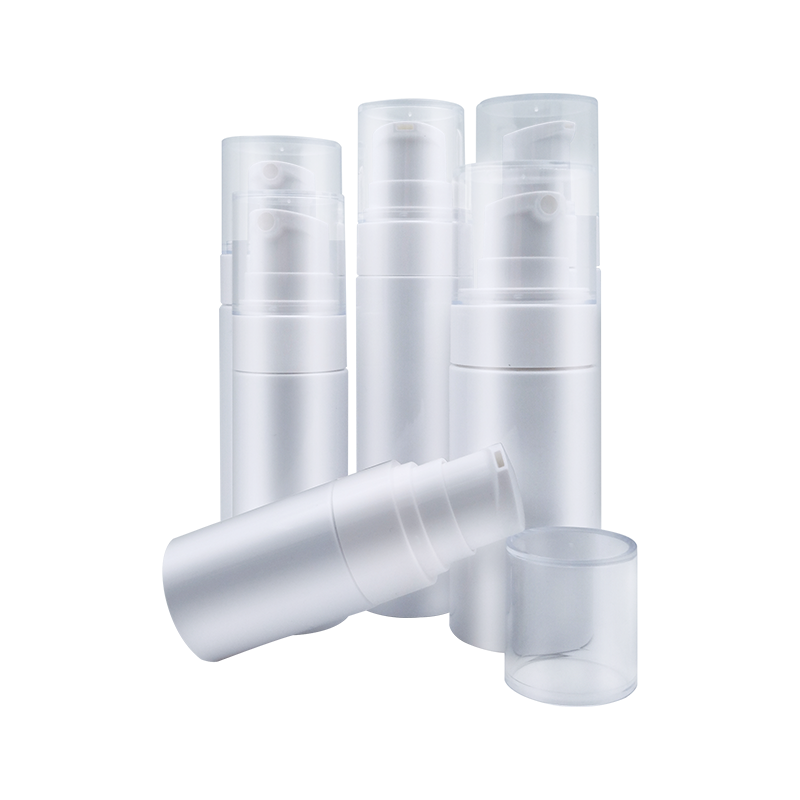
Now, here’s the real question: if pumps are so simple, why do they keep beating “easy” options like flip-tops and squeeze caps in the field? The answer lies in how they manage dose accuracy, backflow, and pressure—no magic, just smart mechanics. Buckle up—let’s dig into what typical fixes miss, and how small design choices change the game.
Deeper Than It Looks: Where Traditional Fixes Fall Short
What trips up old-school designs?
Classic caps look easy. Squeeze and go. But they stumble with dosing, viscosity shifts, and seal integrity. A screw cap relies on user force and bottle memory, so output swings wildly with thick gels versus thin serums. The result: waste and mess. In contrast, the pump’s actuator, spring constant, and non-return valve keep pressure in check. Fluid travels a sealed channel from dip tube to nozzle—no backflow, no drips. The neck finish and capping torque also matter; a poor thread pitch invites micro-leaks under heat or altitude change. Look, it’s simpler than you think: a stable seal plus controlled stroke equals predictable output.
There’s more. Traditional squeeze bottles invite air into the product chamber with every use. That means oxidation and a downgrade in fragrance or active stability over time. Pumps fight that by managing the intake pathway and reducing air exchange per cycle. Even small tweaks—like a tighter valve seat, a smoother piston, or a stiffer return spring—shift the system from “sticky and sputter” to clean dispense. And yes, that tiny spring matters—funny how that works, right?
Comparative Lens: How New Principles Raise the Bar
What’s Next
Forward-looking designs apply clear mechanical principles: stable flow, controlled rebound, and fast seal recovery. Think of it as “micro-hydraulics” in your hand. Newer chambers use low-friction pistons with optimized surface finish to reduce force variance across strokes. Better check valves kill backflow without starving the next dose. And precision-matched dip tube lengths reduce cavitation with thicker formulas. When you look at advanced pet plastic pump bottles, you start to see patterns—materials tuned for fatigue resistance, outputs calibrated for 0.25–0.7 ml, and closures designed to hold torque under transport. Different use cases, same goal: clean, repeatable dispense under real-life stress.
So, how should you choose? Aim for three quick metrics: 1) dose accuracy across viscosities; 2) seal performance under heat, altitude, and drop; 3) actuator feel and rebound speed over 5,000+ cycles. If you can test those, your shortlist gets sharp fast—no guesswork. The upshot from above: pumps beat caps because they regulate energy, not just flow; they protect the product, not just hold it; and they hold up on the road, not just on the shelf. That’s the comparative edge, and it’s practical, not hype. Keep looking under the hood, make small checks, and your packaging will simply work—every single day. NAVI Packaging
