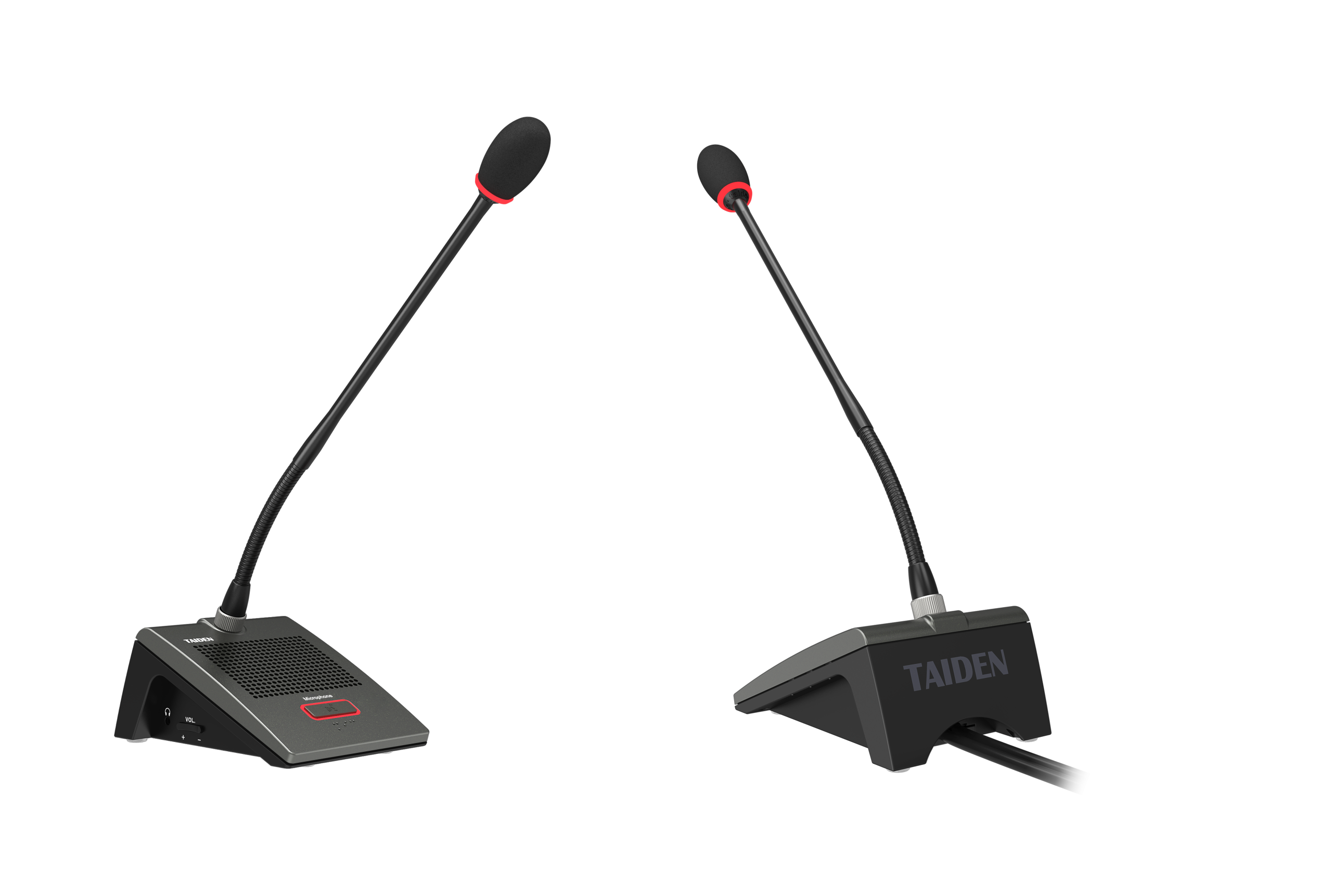
A Small Room Story, A Big Meeting Lesson
We sat down for a quick team update—just ten minutes, easy. The conference room speaker and microphone system was on the table, lights glowing, everyone smiling. Then two voices went missing, someone echoed, and a quiet person sounded far away (we all leaned in). Last week, in a similar room, 2 of 8 people had to repeat themselves three times. That’s not rare. In many calls, a few seconds of delay or one glitch can derail the flow. So, why does this keep happening? Is it the room? The gear? Or both?

Here’s a clue: latency spikes and weak echo cancellation (AEC) can turn crisp speech into “sorry, say that again?” moments. Add a laptop fan, a noisy hallway, and a shy talker—and signal clarity drops. Kids know it: when you can’t hear, you stop trying. Meetings are the same. We want sound that feels close and steady, even when the room gets busy. We want a system that forgives a bad seating choice. We want help, not hassle. Ready to see the difference—and how to spot it fast? Let’s step into the details.
Entry-Level Gear: Hidden Gaps You Can Actually Fix
Why do the basics fail?
When teams buy entry-level conference equipment, they expect plug-and-talk. Look, it’s simpler than you think: most hiccups come from small flaws that add up. If the microphones lack beamforming, the system can’t “focus” on the person speaking. If the speaker has poor dynamic range, soft voices get buried, and loud voices clip. A weak DSP path means slow or unstable AEC, so remote folks hear their own voice bounce back. The result? People talk less, or talk over each other. — funny how that works, right?
There are physical traps too. Table taps and chair scrapes ride straight into the mics when isolation is poor. Bad gain structure boosts hiss and lowers signal-to-noise ratio, so you crank the volume and invite feedback. Even power matters: inexpensive power converters can inject hum you can’t EQ away. Add unmanaged PoE switches, and you may get jitter that nudges latency past the comfort line. The fix starts simple: stable AEC, clean preamps, smart auto-mix, and mics positioned so mouth-to-mic distance stays short. From there, you add guardrails—noise gating for HVAC, and gentle EQ that helps, not hurts.
From “Good Enough” to Predictable Clarity
What’s Next
New designs use clear principles, not magic. Arrays with adaptive beamforming follow the talker, even when chairs move. Neural noise suppression trims keyboard clicks without crushing consonants. Auto-mixers keep the floor to one voice and reduce room wash naturally. On the backend, modern DSP stages run faster, so the latency budget stays tight. Some systems push compute to small edge computing nodes near the mics, cutting round trips and keeping AEC stable during double-talk. Even the power path matters: low-noise power converters reduce the hiss that makes you ride the volume. Small choices, big comfort.
It’s also about the ecosystem. Networked audio and firmware updates make rooms “learn” over time. You compare a basic setup to a modern one and notice: talkers don’t repeat, remote folks jump in faster, and meeting notes get clearer. In simple terms, fewer “huh?” moments per hour. If you’re reviewing digital audio products, look for end-to-end clarity, not just specs in isolation—beamforming plus AEC plus auto-mix. And test with real voices in a noisy hour, not at 7 a.m. in silence (because life happens at 2 p.m.). The lesson so far: small technical wins add up to human ease.
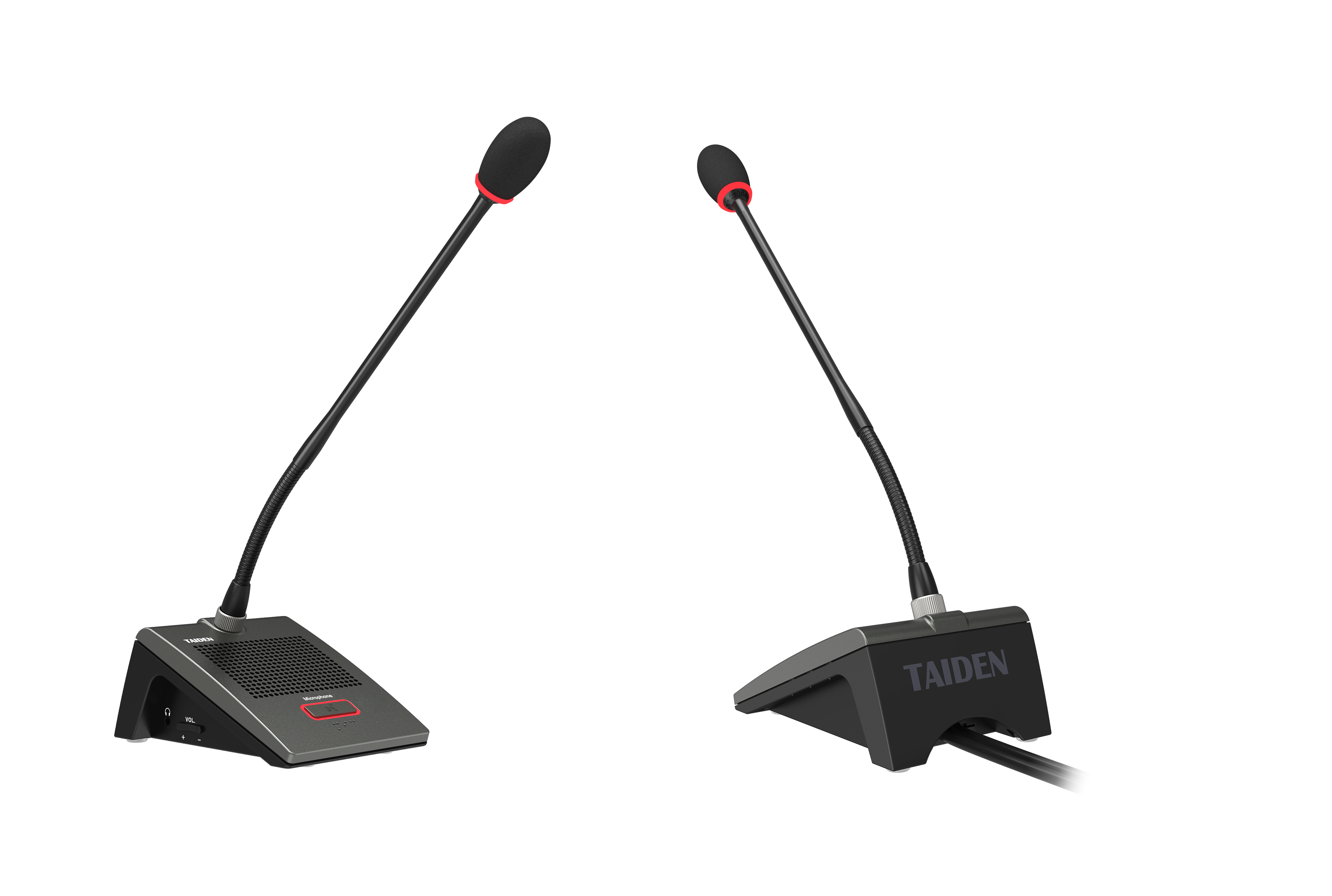
How to Choose: Three Practical Checks Before You Buy
First, measure clarity under real stress. Play a fan, shuffle papers, let two people talk at once, and listen for how the system holds the floor. If AEC stays stable and beamforming keeps the voice centered, you’re on track. Second, confirm the end-to-end latency budget. Run a simple hand-clap test across the call and check sync with video; speech should feel instant, not “rubber-bandy.” Third, test distance fairness. Place a soft talker at the far seat and a loud one up close. A good auto-mixer and gain structure will keep both natural without pumping or hiss. Keep it human: if folks relax and stop repeating, the tech is doing its job—no heroics needed.
In short, predictable clarity beats flashy features. Rooms change; people move; the best systems forgive. Compare like for like, listen in chaos, and choose what makes talking feel easy. For a grounded starting point and products built around these ideas, see TAIDEN.
