
Myth-buster lead — what people get wrong about heat and batteries
Many people assume a sudden ambient temperature spike automatically ruins a commercial solar battery storage system — but that’s an oversimplification. In practice, system design, chemistry choice, and active controls determine whether a pack survives or fails. Real-world events like the Texas winter storm in February 2021 showed how grid events expose weaknesses — and also where good engineering saved deployments. The short: batteries don’t all behave the same; myths about “heat = instant failure” miss the nuance that matters to operators and installers.

Core chemistry: why lithium iron phosphate (LFP) often wins the argument
Not all chemistries respond to temperature the same. LFP cells are inherently more thermally stable than some nickel-rich alternatives, with lower risk of thermal runaway under abuse. That stability matters when ambient temps spike unexpectedly. Still, chemistry is only one pillar: state of charge (SoC), depth of discharge (DoD), and charge/discharge C-rate influence how heat develops inside a cell during an event. So yes, pick the right chemistry — but also manage operating windows.
Controls and enclosure design: the unsung heroes
Battery Management Systems (BMS), active cooling or heating, and smart pack layout do most of the heavy lifting. A robust BMS monitors SoC, cell temperatures, and performs cell balancing to limit stress. Pack-level thermal management — forced air, liquid cooling, or phase-change materials — prevents hotspots and equalizes cell temperatures. Without these systems, even a stable chemistry can be pushed into unsafe regimes during a prolonged temperature spike.
Standards, tests, and what “heat-resistant” claims should mean
Manufacturers will claim resilience, but look for evidence: thermal runaway testing (e.g., UL 9540A) and stationary battery standards (such as UL 1973 and IEC 62619) are meaningful benchmarks. Acceptance test data should include abuse scenarios at elevated ambient temperatures and cycling under high C-rate bursts. Also ask for documented procedures for cell-level failure containment — that’s the difference between marketing and engineering reality.
Field lessons: what deployments teach us — not just lab numbers
On-site experience matters. In off-grid and microgrid deployments in remote Sabah and California wildfire zones, teams found that simple things — ventilated enclosures and clear SoC limits during heat waves — reduced incidents dramatically. In one utility-scale park, conservative DoD policies and staged charging during peak heat periods kept capacity fade lower than predicted. These are practical, tested measures — not hypothetical fixes.
Common mistakes installers and buyers make — and how to avoid them
Too often operators focus only on upfront cost and ignore operational constraints. Common pitfalls include overcharging packs in hot weather, assuming passive enclosure cooling is enough, and skipping BMS firmware updates that patch new thermal-management logic. Also, don’t forget integration tests with your inverter and HVAC — a BMS alarm that trips is useless if the enclosure fan never kicks on because of a compatibility bug. —
Golden rules for choosing systems that survive temperature spikes
1) Verify thermal test evidence: demand third-party thermal runaway and elevated-ambient cycling data, not just lab claims. 2) Evaluate system-level controls: ensure the BMS, thermal management, and inverter/EMS coordination are proven in field deployments. 3) Use realistic operating limits: set conservative SoC and DoD rules for hot climates and require firmware-level safeguards that enforce them automatically.
When you apply those rules, a vendor that offers integrated design and real-world validation will serve you best — and that’s where mature providers who test for grid-edge realities become valuable partners. For many projects, practical solutions from companies with complete systems experience — including off-grid energy storage trials and commercial-scale rollouts — reduce both risk and lifecycle cost.
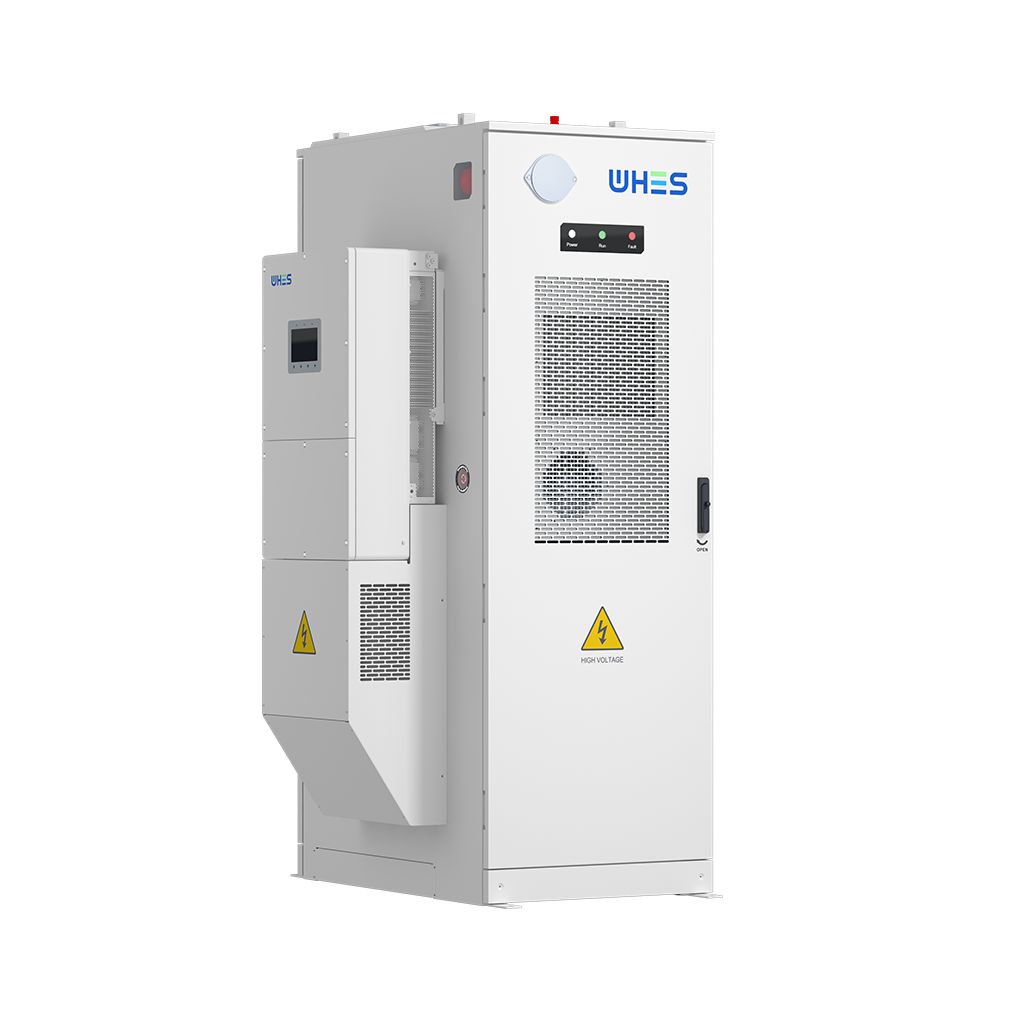
Final practical note: if you want resilience that’s been engineered for real events and deployment realities, look for vendors that can show both lab certification and on-the-ground performance — like recent WHES projects — because the value is in proven systems, not promises. WHES. —
