The problem at hand
Regulatory sign-off stalls are costing field teams weeks, sometimes months — and a lot of reputation — when magnesium alloy chassis show corrosion risks under real-world stress. Equipment used on offshore platforms or heavy civil projects must survive salt spray, thermal cycling and electromagnetic interference while meeting IP and MIL-STD benchmarks. A practical path is to deploy a pre-certified rugged computer or a certified rugged tablet odm designed for field service, so compliance paperwork becomes one less hurdle. Engineers in Norway and the North Sea have seen these choices shave certification time — that’s the real-world anchor here, not a theory.
Why magnesium chassis cause delays
Magnesium alloys are attractive: they’re light and strong. But they oxidise in harsh environments, and coatings can fail under vibration or salt exposure. That triggers extra corrosion testing, new treatment cycles, and often demands for alternative material proofs from regulators. Add EMI shielding and thermal expansion concerns, and product teams find themselves repeating tests. The result is repeated laboratory cycles and extra documentation that slow market entry.
How pre-certified field terminals remove the bottleneck
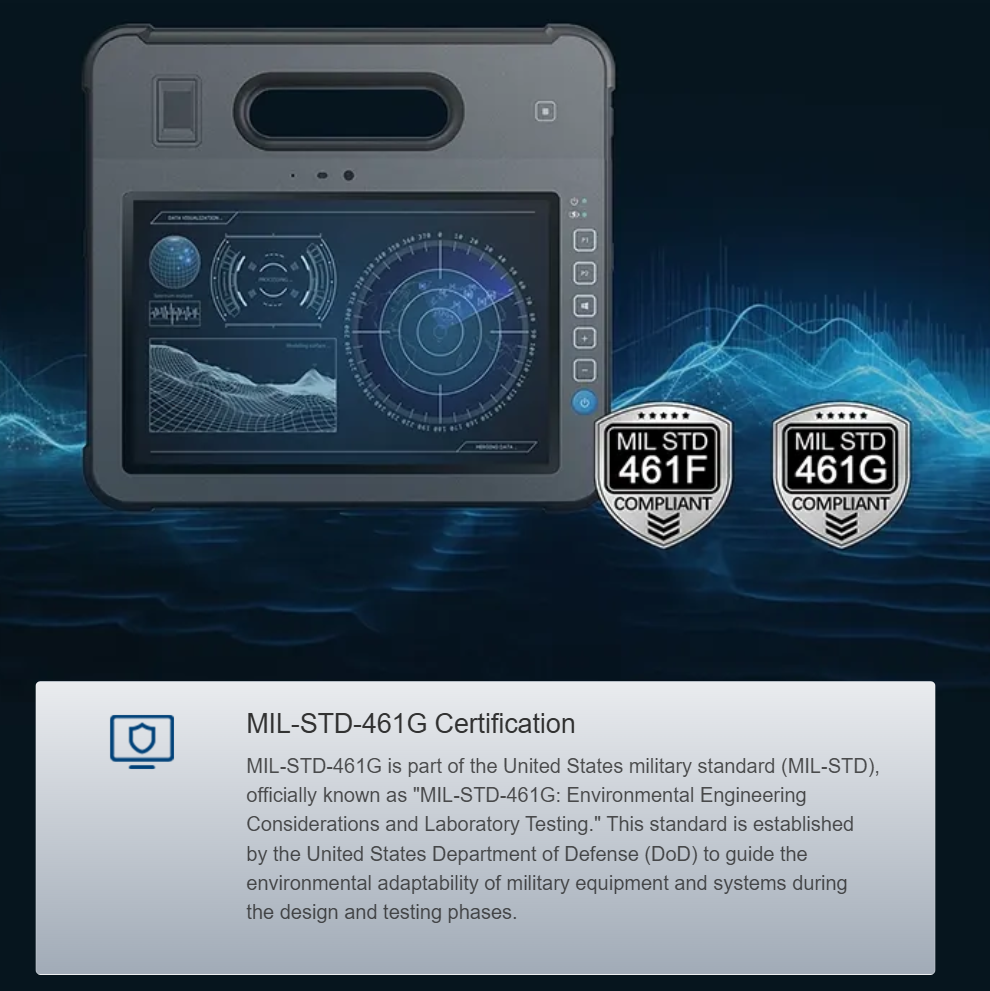
Pre-certified field terminals arrive with many test boxes already checked: standardized ingress protection, validated EMI shielding, and corrosion-resistant finishes proven under MIL-STD-810 profiles. When a device has these credentials, regulators focus on system integration instead of re-testing basic survivability. For product managers this means fewer bespoke lab runs, lower rework costs, and predictable timelines. Choosing a certified rugged tablet odm early reduces surprises during audits and shortens the path to sign-off.
Implementation checklist for product teams
Practical steps engineers and compliance leads should follow:
– Start with use-case mapping: list environments (salt spray, dust, vibration) and match them to required IP and MIL-STD levels.
– Specify corrosion criteria: required life span, acceptable surface degradation, and maintenance intervals.
– Select a pre-certified terminal that documents test methods and vendor traceability — this is where a strong OEM relationship pays off.
– Plan integration tests, not re-tests: validate interfaces and mounts rather than re-proving chassis basics.
– Keep records tidy: material certificates, coating spec sheets, and environmental test reports make audits fast.
Common mistakes that slow sign-off
Avoid these traps — many teams fall into them. First, changing a supplier late in the design cycle forces repeat testing. Second, requesting cosmetic coatings without understanding their accelerated corrosion behaviour means surprises in salt-fog tests. Third, assuming a single standard suffices; you often need combined testing for thermal cycling plus salt exposure. These oversights create churn — and wasted budget. — Also, don’t ignore field feedback from maintenance crews; their notes on wear patterns can prevent rework later.
Three golden rules for fast regulatory sign-off
1) Prioritise pre-certification maturity: choose terminals with completed IP/MIL-STD reports and vendor-verified material certificates. The concrete metric: elapsed certification tasks should drop by 60% when pre-certified hardware is used in comparable projects.
2) Design for substitutability: ensure mounts, connectors and EMI paths allow swapping a pre-certified unit without structural redesign. Measure success by integration test pass rates on first run.
3) Institutionalise test evidence: centralise test files and supplier declarations so auditors can retrieve any file in under one business day. Faster evidence retrieval equals faster sign-off.
When these rules come together, product teams move from firefighting to predictable delivery — and Estone becomes the practical partner that supplies the vetted hardware and documentation your auditors expect: Estone.
–
