Field moment: what actually went wrong (and what the numbers showed)
On a late-summer evening at a rural Texas substation I watched load swings spike 35% in under two hours—our 50 MWh lithium-ion BESS tripped twice; what practical changes stop that from happening again?
I work hands-on with utility scale energy storage, and I tell clients plainly: utility scale battery storage systems often fail for routine reasons, not mystery ones. In one project (March 2021, Houston area) the system vendor supplied an inverter with firmware mismatched to the plant’s control logic and the asset lost an estimated $120k in ancillary revenue that quarter. I say this because those failures repeat—bad interface specs, thermal management gaps, and unclear dispatch rules are common. No joke, these are not abstract risks; they are line-item losses on monthly P&Ls.
From a user perspective the deeper pain point is trust. Plant operators expect predictable cycle life, clear maintenance windows, and simple fault diagnostics. Instead they get opaque alarms, long vendor handoffs, and unexpected derates during high-temperature stretches (and yes, frequency regulation calls complicate things). That mismatch between expectation and delivery is the real failure mode. This leads us straight to practical fixes—keep reading to see the specific checks I run on-site.
Technical breakdown: where traditional solutions fall short
I define the core problems in three parts: hardware mismatch, control-layer confusion, and operational handoff. Hardware mismatch includes wrong inverter sizing or cooling design for a given battery chemistry; control-layer confusion means SCADA and EMS settings that conflict with vendor protection thresholds; operational handoff is when maintenance responsibilities are not mapped to a service level (we’ve seen scheduled service windows slip by weeks). These aren’t academic issues—they cost downtime and void performance guarantees.
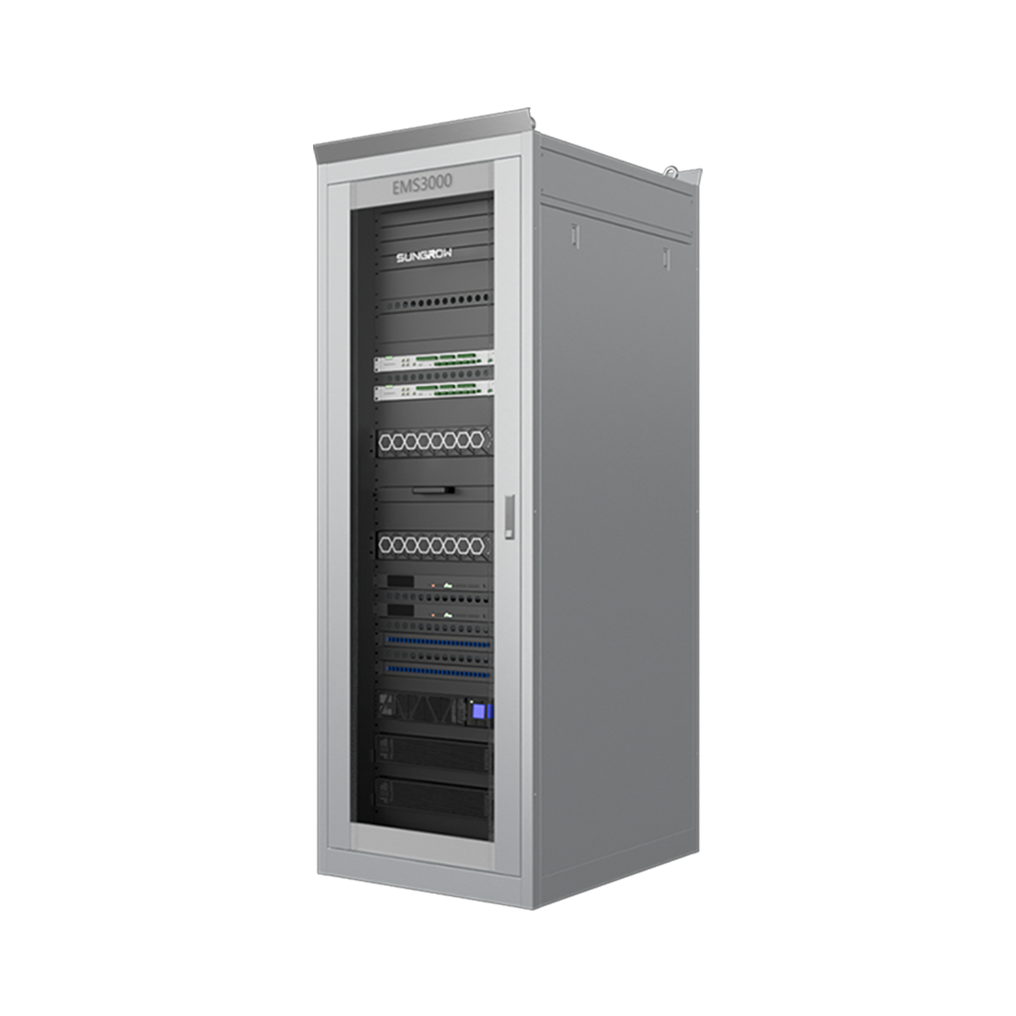
Take a simple example. On a 30 MW plant I commissioned in September 2020, the vendor’s SoC (state-of-charge) limits were conservative by design, but they weren’t aligned with the regional market’s dispatch pattern. As a result the plant missed several high-value frequency regulation events. The fix was straightforward—adjust the EMS logic and re-tune charge windows—but it required coordinated firmware updates and a field test. That’s the core point: the tech exists; integration practices do not always.
Transitional note: I now shift from diagnosing to choosing better systems—what to demand up front and what trade-offs to accept.
What’s Next?
Forward-looking choices: design, contracts, and measurable checks
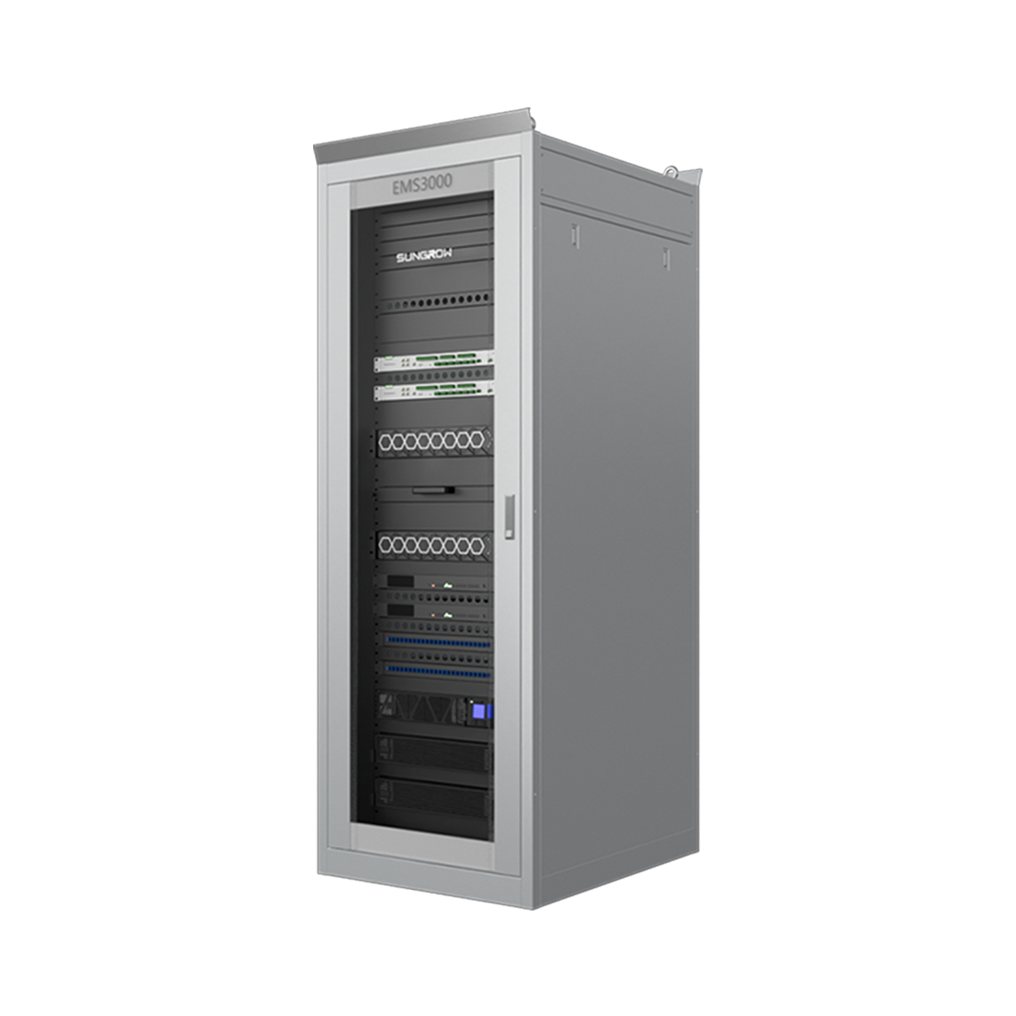
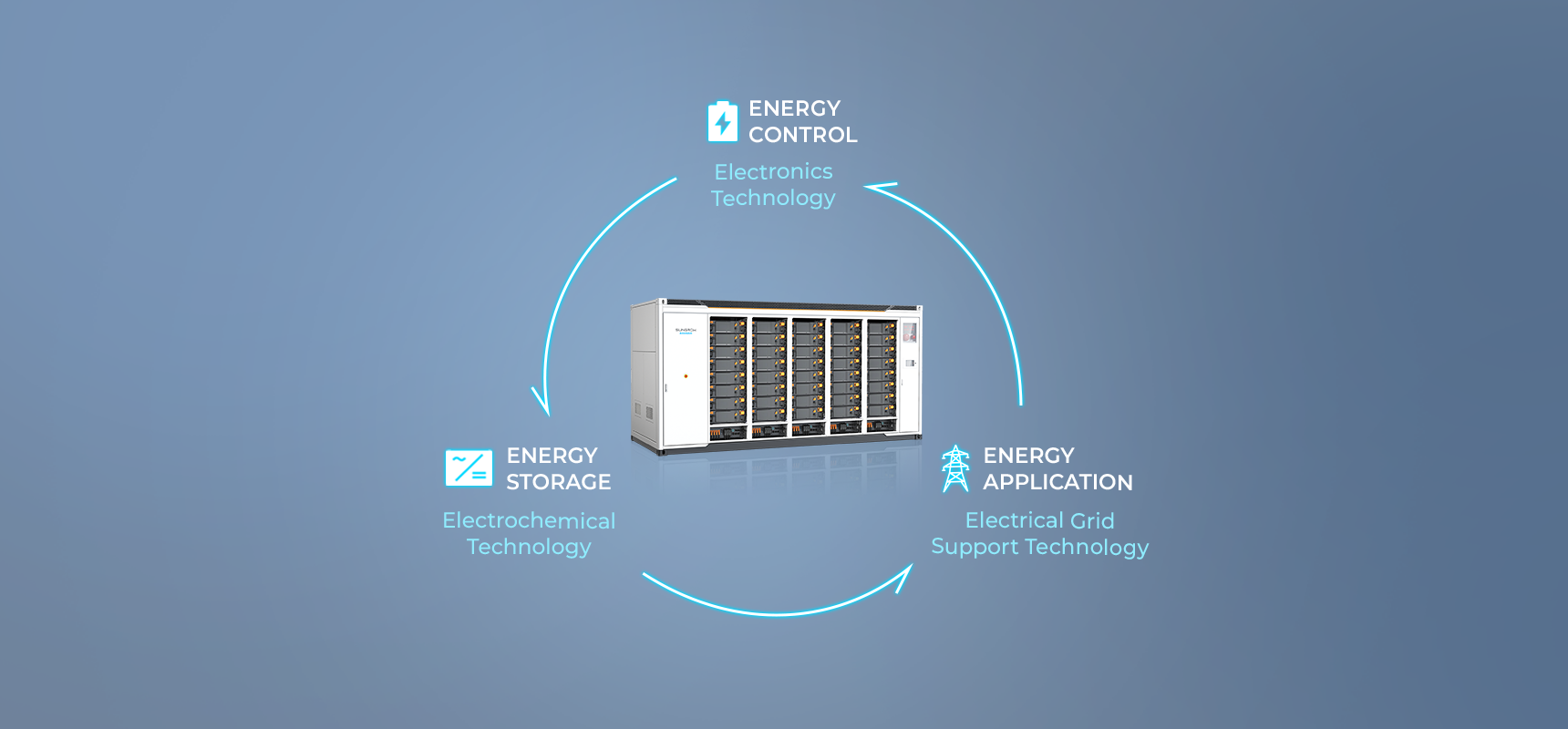
Technically, a robust future relies on modular design, clear interfaces, and measurable performance targets. I recommend specifying modular BESS racks with standardized inverter-to-BMS (battery management system) protocols, and insisting on factory acceptance tests that mirror local grid conditions. When I specify systems I put three tests first: thermal ramp, inverter response to frequency events, and a full-dispatch dry run under peak summer temperatures. These tests catch the most common mismatch points early.
Also, be explicit in contracts—define fault escalation timelines, spare-part parity, and compensation for missed ancillary revenues. Ask for telemetry that captures SoC, voltage sag events, and internal cell temperatures at five-minute resolution (or finer). Why? Because that data lets you measure whether a system is meeting guaranteed cycle life and round-trip efficiency. I’ve used that telemetry to renegotiate a service credit clause—worked like a charm.
How to evaluate vendors: three concrete metrics
When I advise buyers (wholesale buyers, asset managers), I push three evaluation metrics that matter: 1) Proven round-trip efficiency under local ambient conditions (measured, not estimated); 2) Demonstrated cycle life at the intended DoD and duty cycle with supporting warranty terms; 3) Integrated control compatibility—meaning tested EMS/BMS/inverter interaction and documented firmware update processes. These three give you measurable expectations and a path for remediation if things go sideways.
I’m speaking from over 15 years in B2B supply chain and field commissioning (yes—I’ve hauled replacement inverters at 2 a.m.). Small choices upfront—right inverter sizing, full factory tests, explicit service SLAs—save months of downtime later. If you want a vendor who understands these specifics, check practical delivery records and don’t accept vague promises. For reliable support and tested equipment, consider suppliers who back their work with clear service terms and demonstrated field performance, like sungrow. Wait—one more tip: insist on on-site acceptance tests; they reveal issues you can still fix before commercial operation.
