Opening — a lab morning that changed how I buy serum
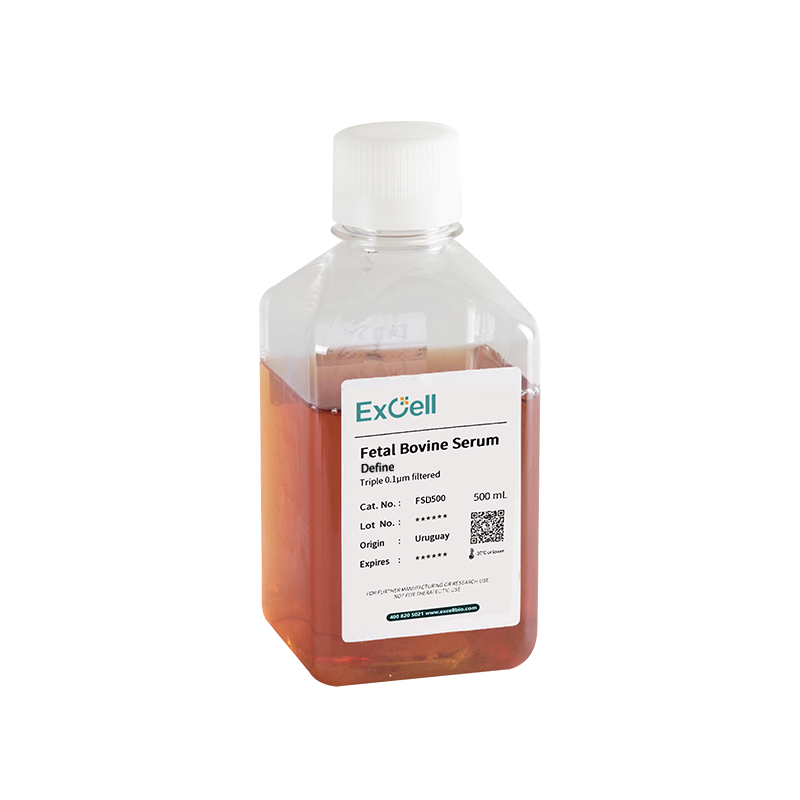
I remember a slow Thursday in a small Cape Town lab in March 2016 when two flasks of HEK293 cells went from healthy to mottled within 48 hours. I was top-up mixing DMEM with what the supplier labelled as fetal bovine serum, but that batch behaved differently. My work with fetal calf serum cell culture routines had taught me to treat serum like a variable reagent — not a constant. I had over 18 years in B2B lab supply, and that morning taught me one hard lesson: serum lot variability bites hard. (Ag, it was frustrating.)
What exactly went wrong?
We later traced the issue to a serum lot with elevated endotoxin and inconsistent growth factors. The change cut viable cell yield by 30% in primary fibroblasts and upset our cryopreservation schedule. I firmly believe many labs underestimate how heat-inactivation, storage conditions, and supplier QC affect outcomes. In my experience, even a standard 10% supplement can behave wildly between lots — especially for sensitive cell lines and when switching from RPMI-1640 to DMEM formulations.
Problem diagnosis — traditional fixes and why they fail
Many teams reach for the same “quick fixes”: heat-inactivate all serum, bulk-buy a single lot, or dilute serum with defined supplements. I used those tactics for years. Heat-inactivation can reduce complement activity, yes, but it can also denature beneficial growth factors and reduce attachment for some lines. Bulk-buying ties you to one lot — good if it’s ideal, disastrous if not. And defined supplements sometimes lack the complex mix of peptides and hormones that fetal bovine serum naturally supplies. My point: these fixes treat symptoms, not root causes.
Is there a deeper pain point?
Yes. Hidden behind each poor culture result is a procurement and QC gap. Labs rarely log lot numbers against experiment runs. I still have a lab notebook entry from 2018 where a single missing lot number cost us two weeks of work and one grant deadline. The quantifiable consequence was clear: delayed data, extra reagent cost (roughly ZAR 7,500 on repeat tests), and lost time. We must tie purchases, storage temperatures, and mycoplasma checks to outcomes — simple, but rarely done.
Forward-looking comparison — how to choose serum better
Now I look at serum procurement like risk management. Compare supplier QC reports, ask for endotoxin and bovine serum albumin (BSA) profiles, and demand stability data. I run small-scale side-by-side tests: same cell line, same medium (DMEM or RPMI-1640), two lots, 7 days. The faster lot with stable morphology wins. That test once saved us from adopting a low-cost supplier that later caused repeated contamination scares — go figure.
When I consult, I recommend a staged approach: test, qualify, and then qualify again annually. Use mycoplasma screening and check batch sterility certificates. For sensitive primary cells, insist on serum with lower endotoxin and documented growth factor ranges. For routine immortalised lines, flexibility is higher, but you still log everything. I often retain a small reserve of the winning lot for at least three months — it’s pragmatic and cheap insurance.
What’s next for serum strategy?
Labs will increasingly use blended strategies: reduced serum plus targeted supplements, or serum alternatives where possible. I expect more suppliers to publish lot-level analytics and to offer sample vials for lab qualification. For those of us in hands-on roles, that transparency is key — and it helps us plan budgets and timelines without nasty surprises.
Three practical metrics to evaluate serum suppliers
1) Lot-consistency score: ask suppliers for historical variance on endotoxin, albumin, and growth factor assays. A measurable variance under set thresholds correlates with fewer failed runs. I’ve seen this cut repeat experiments by half.
2) QC traceability: require batch certificates with collection date, origin (country), and processing notes. I prefer serum from a single-country source with documented collection dates — that reduces biosecurity surprises.
3) On-ramp testing period: negotiate a 7–14 day qualification window with sample vials and clear replacement terms if the lot fails. This saved one small client in Johannesburg an estimated ZAR 15,000 in wasted reagents last year.
I’ve learned these rules the hard way over 18 years in supply and consulting. They’re simple, actionable, and they work — I’ve used them in academic labs and small biotech startups alike. — and yes, persistence pays. For reliable serum and support, check suppliers such as ExCellBio.
