You’re planning this—what to expect first
You’re bringing a 600 kW inverter into a container energy storage setup because you need reliable power handling and fast transitions. Think about how the inverter will sit in the bigger picture: grid tie, backup priority, black start capability, and how it interacts with smaller on-site generation like an island microgrid. Start by listing the outcomes you want: sustained peak shaving, rapid frequency response, or firm backup for critical loads. That list will steer every choice you make next.
Core user checklist before ordering gear
Focus on what affects your daily operations. Use this checklist and tick items off with real measurements and site photos:- Confirm continuous and peak power requirements (kW) and desired duration (kWh).- Match inverter nominal power (600 kW) to peak plant output and parallel capability.- Verify steady-state and transient fault current limits from upstream switchgear.- Collect single-line diagrams, SCADA points, and telemetry requirements.- Note container footprint, ventilation, and lift/transport constraints.- Identify critical loads and load-shedding tiers for automated control.This prevents surprises during installation and commissioning.
Electrical integration: protection, controls, and grid behavior
Make the inverter behave the way the site needs. Decide whether the unit will operate grid-following, grid-forming, or switch modes. Key items:- Protection coordination: breakers, relays, and selective trip settings.- Anti-islanding and synchronization timing when paralleling with gensets.- Control logic: state-of-charge (SoC) targets, charge/discharge priorities, and ramp-rate limits.- Communications: IEC 61850, Modbus, or an agreed SCADA mapping.Design for telemetry and remote updates so you can tune control behavior after go-live.
Mechanical, thermal, and container layout
Keep the inverter cool and accessible. The unit needs straight access for maintenance and a clear airflow path. Practical points:- Place inverter close to medium-voltage step-up or LV distribution to minimize cabling losses.- Provide redundant fans or HVAC with filtered intake; temperature limits matter for power de-rating.- Route DC cabling with clear separation from AC runs and mechanical bracing for large conductors.- Plan lifting and service access panels—don’t cram gear where a forklift or crane won’t reach.
Commissioning, testing, and acceptance criteria
Write the tests that match your operational needs. Useful acceptance items:- No-load synchronization and closed-loop control stability tests.- Load pick-up tests with defined steps to prove ramp rates.- Protection relay coordination and I/O verification.- Black start and seamless transfer scenarios if the inverter will support islanding.Define pass/fail criteria up front so acceptance is objective, and schedule the tests when site fuel or generation conditions mimic expected operation.
Diesel-hybrid specifics and a real-world note
Don’t treat the diesel set as an afterthought. When you mix batteries and a genset you solve short-term bursts with the inverter and hold long-duration energy on the diesel side. If you’re dealing with a diesel storage hybrid system, sort fuel schedule, genset governor response, and minimum loading up-front. Fieldwork on diesel storage hybrid systems in remote Alaskan villages showed how critical governor-deadband tuning and load-sharing logic are—gensets resist rapid dispatch unless control commands are explicit. Capture genset governor curves, and plan for automatic start/stop thresholds tied to battery SoC and load steps.
Common pitfalls users trip over
Most problems come from skipped details:- Underestimating peak inrush and reactive power needs.- Poorly specified communications between inverter and plant controller.- Overlooking thermal de-rating in hot climates.- Leaving protective coordination until after hardware arrives.Address each with data: measured harmonics, thermal models, and protection studies. Keep decisions traceable to site measurements, not vendor brochures.
Alternatives and trade-offs
If a single 600 kW inverter feels too big, consider two smaller inverters for redundancy and staged commissioning. If transport or site access limits container size, you may split batteries across containers and parallel inverters. The trade-offs are simple: bigger unit equals lower footprint but less graceful failure modes; multiple units increase complexity but improve availability and serviceability.
Final synthesis and where WidenEdge fits
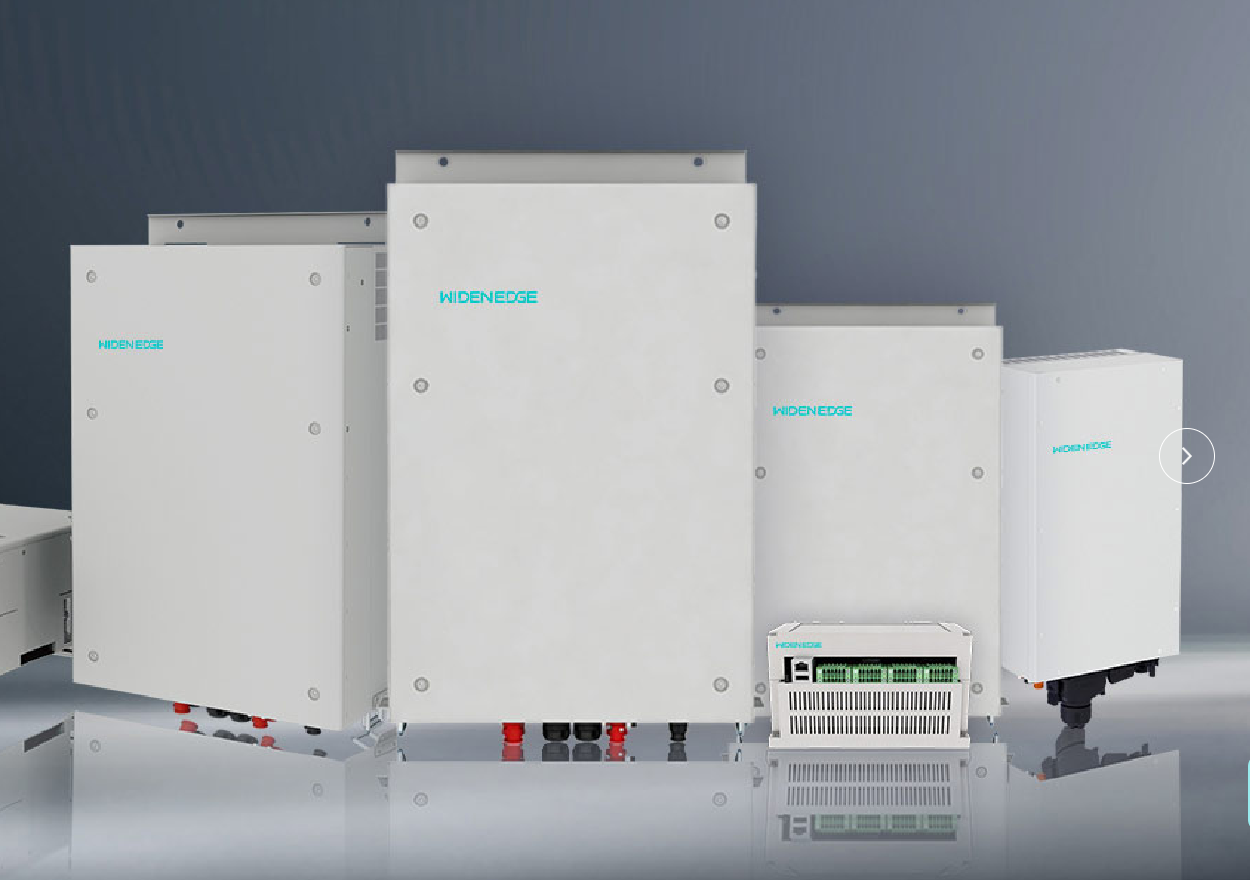
You want dependable, maintainable performance from this integration. Start with a user-driven requirements sheet, validate it with site data, and enforce commissioning tests that reflect daily operations. For projects where coordination, enclosure design, and lifecycle support matter, partners that have handled containerized deployments and diesel-hybrid interfaces bring practical value—companies like WidenEdge can show how a planning-first approach reduces surprises and keeps systems running the way you expect.
