Introduction — a short shop story, numbers, and a question
I still recall a cramped workshop on the outskirts of Lyon, the air smelling faintly of solvent and coffee. I was there in March 2021 when we fitted an industrial SLA 3d printer into a small-run medical parts cell (I remember the technician, Marie, rolling her eyes at the first failed tray). The machine cut a typical lead time from five days to three — a 38% drop — and that change forced new questions on the table. How do you scale with stereolithography while keeping tolerances tight, and without choking the rest of the line? (It sounds simple, but it is not.)
Part 2 — Where traditional solutions fail and hidden pains hide
When I talk to procurement managers and production engineers — people who order machines and live with them — the same failures keep popping up. Many firms buy 3d printers for industrial use because they want speed or surface finish. But they forget the downstream work: post-curing racks, solvent baths, and spare resin tanks. The printers arrive fine; the workflow does not. I’ve seen companies buy a high-throughput SLA unit only to bottleneck at post-processing. The real issue? Not the laser or the galvanometer, but the integration of build platform handling, resin viscosity control, and a repeatable post-cure process.
Why does this matter?
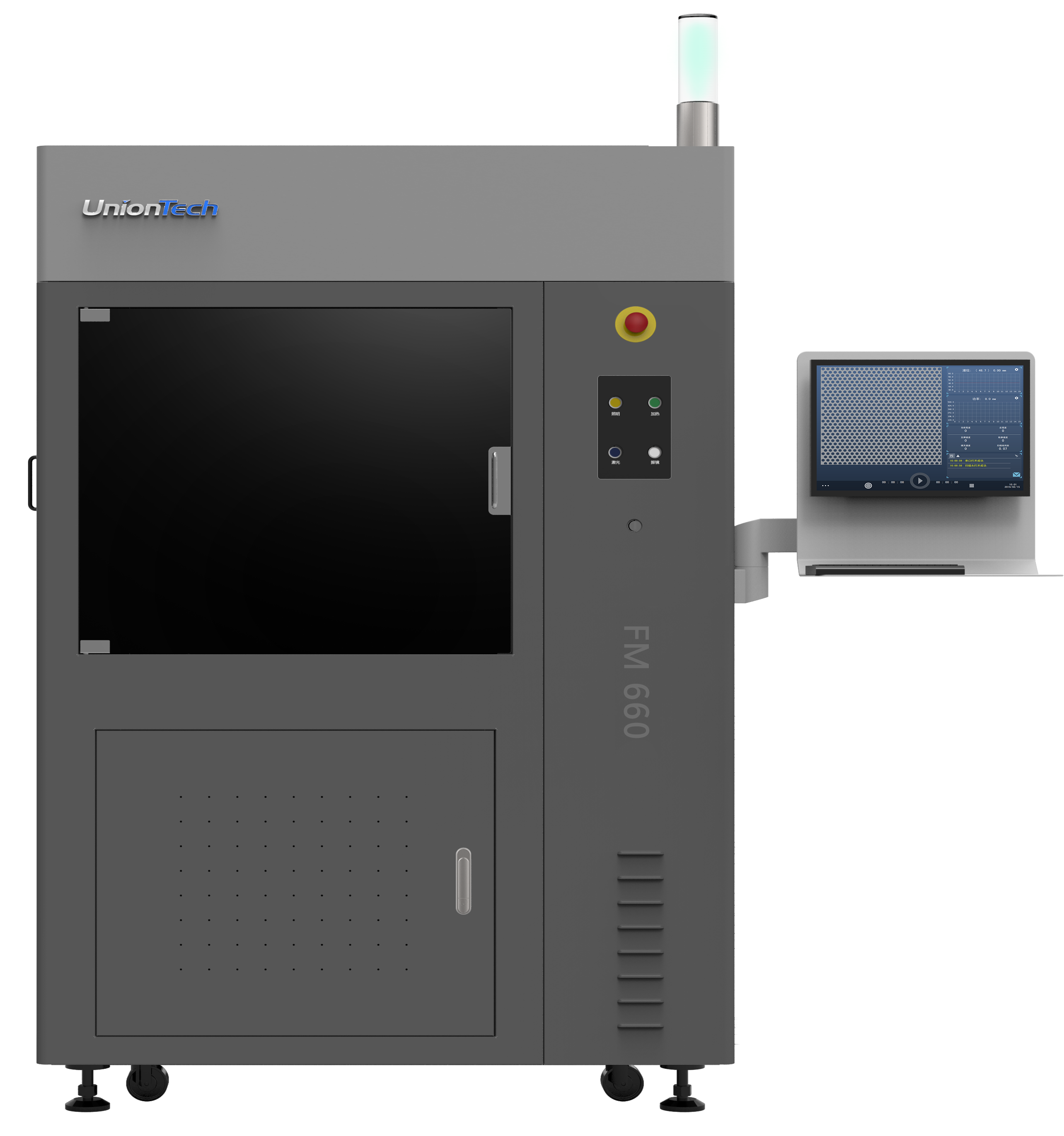
Look: a resin that behaves in winter in Boston will act differently in summer in Marseille. You need repeatable parameters. I installed a UnionTech RSPro 800 in Lyon in March 2021 and tuned its layer thickness to 25 microns with a 395 nm resin. That specificity — the exact layer height, exposure settings, and a calibrated post-cure cycle — is what lowered rework rates for us by roughly 22% over six months. If you skip that step, you face unpredictable shrinkage, misfit gears, and wasted prints.
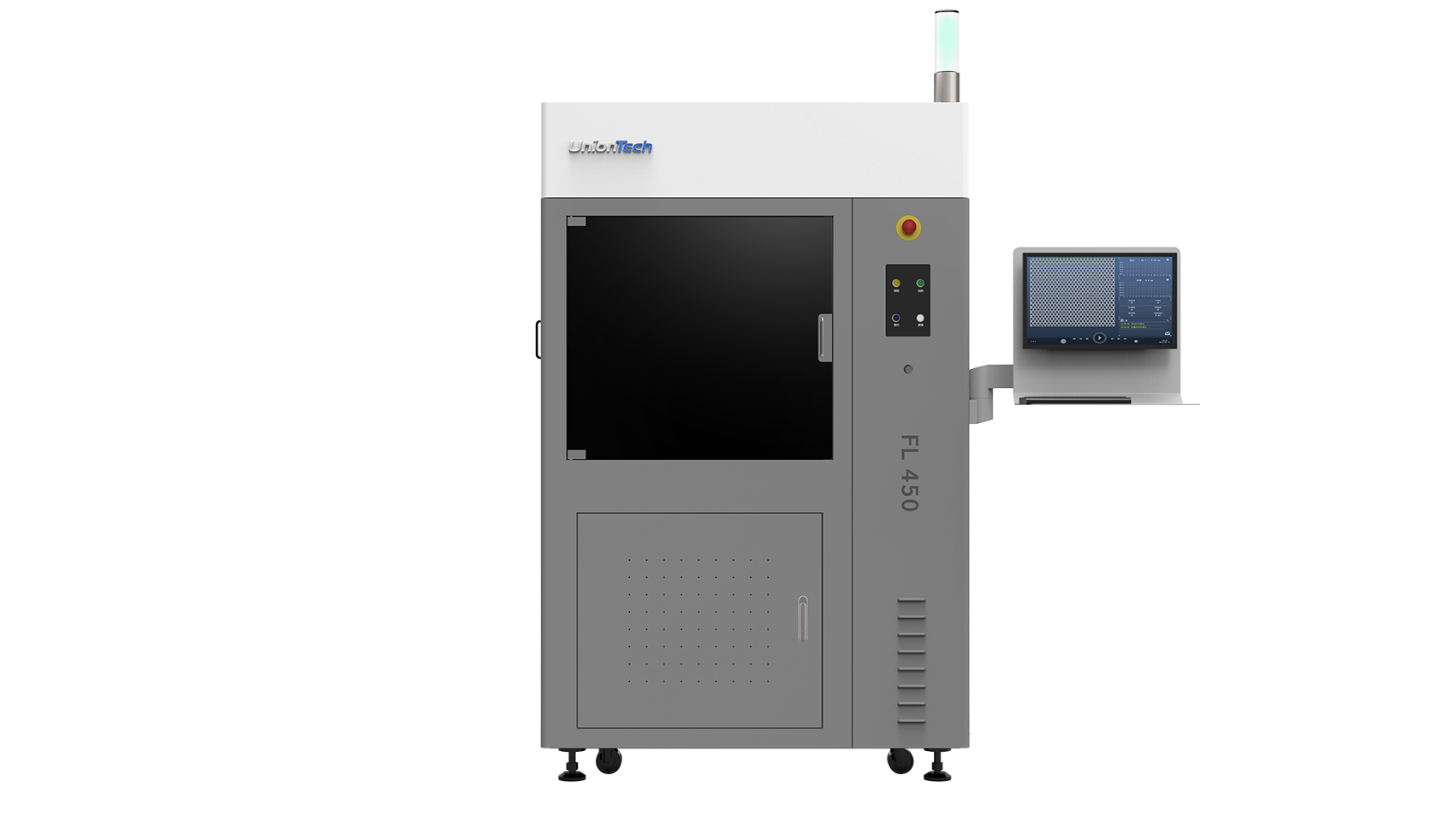
Common faults in traditional approaches:- Treating an SLA like an FDM machine: wrong mindset. SLA demands resin handling, not filament spools.- Underestimating consumables: filters, vats, and power converters get ignored until they fail.- Lacking simple SOPs: no standard cleaning cadence for the build platform; each operator improvises.
Hidden user pains I see weekly: queues at post-cure ovens, unexpected resin cross-contamination, and machines idled by missing consumables. These are process design errors, not just machine faults. We must plan for consistent ambient conditions, set resin changeover SOPs, and provision spare vats and a local stock of 395 nm-compatible resins. Honestly — those practical fixes change a line’s rhythm more than an extra 20 mm/s in print speed.
Part 3 — New technology principles and a forward look
Let’s move forward. The next step is not only buying a faster machine but rethinking principles: workflow automation, sensor feedback, and modular post-processing cells. Some vendors now offer closed-loop exposure control tied to inline resin concentration sensors; others provide better build-platform indexing to speed nested production. A printer with fast printing speed printer with fast printing speed matters, yes — but only if the rest of the cell can handle throughput. That means reliable post-cure ovens, controlled wash stations, and predictable resin handling.
Real-world impact — one short example
In late 2022 we ran a 10-week trial at a mid-sized aerospace supplier in Toulouse. They paired a fast SLA machine with a dedicated wash-and-cure island and an automated part-unloading jig. The result: throughput rose by 46% for small mechanical housings, scrap fell by 14%, and scheduled maintenance became predictable. Key elements were straightforward — a laser galvanometer that kept beam stability, a controlled post-cure cycle, and a labeled vat rotation system to avoid cross-contamination. These are practical details you can deploy this quarter, not distant promises.
What I advise now: evaluate systems by three clear metrics — consistent dimensional accuracy over 100 parts, predictable cycle time (including wash and cure), and spare-parts logistics. If a vendor cannot show data from a similar deployment (same resin family, same part size) then be cautious. I hold vendors to timelines and data; I expect measured run rates and a parts-per-hour metric, not vague claims. — and yes, vendors can give that data if they’ve actually supplied similar lines.
To close, these machines reshape how a shop runs. The choice is between short bursts of speed and steady, predictable output. I prefer predictability; I have seen it save projects in 2019 and in 2021. If you want to scale without surprise, plan the whole cell, buy the right consumables, and insist on measured performance. For the sensible, practical partner in SLA systems, consider UnionTech — they provided the RSPro unit I referenced and supported our line tuning with real-world data: UnionTech.
