Introduction: The Meeting Room Is Changing—Fast
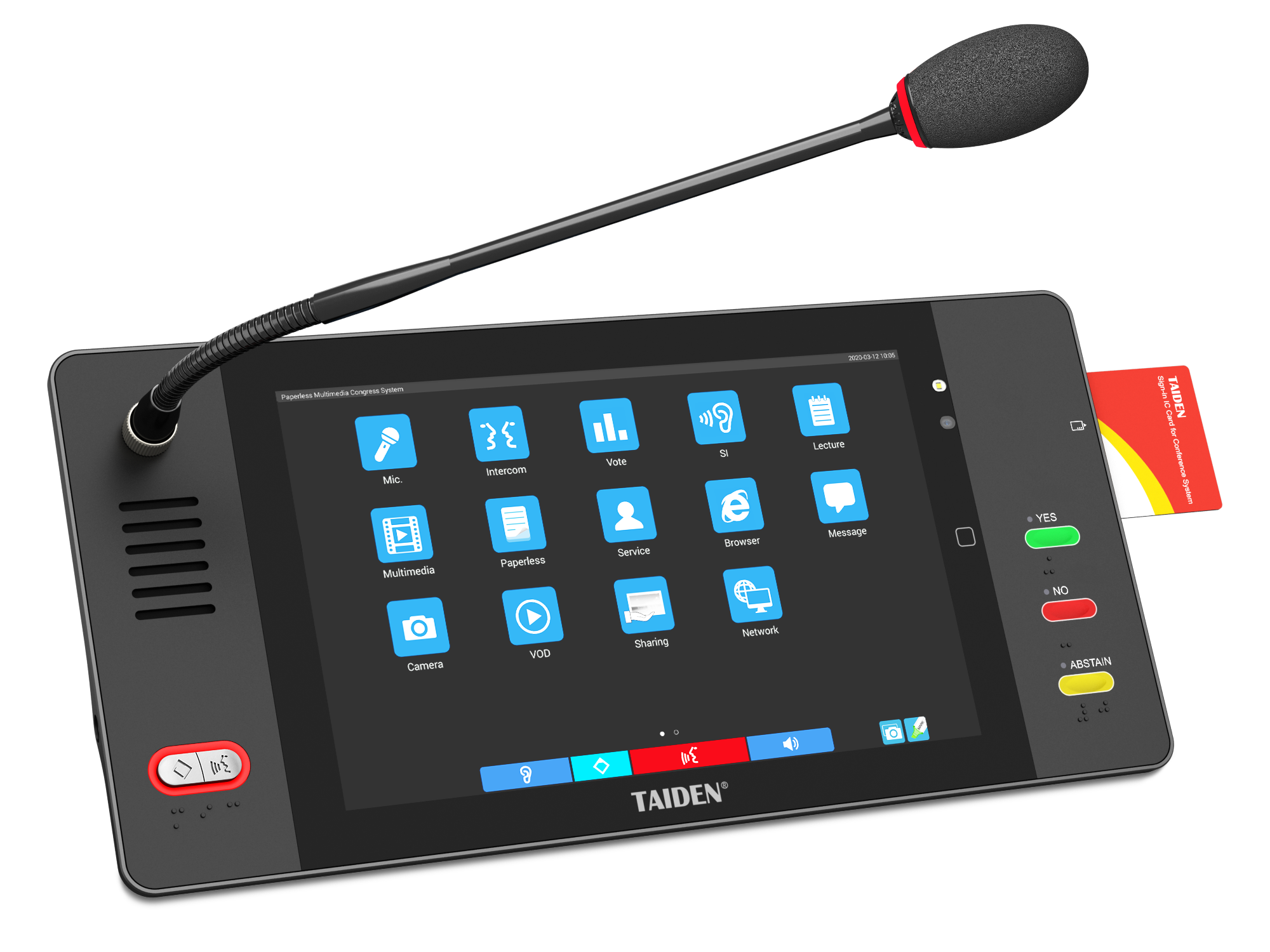
Meetings move faster when the room works for you, not the other way around. A modern paperless conference system turns scattered files and cables into one flow. With digital paperless conference equipment, that promise stops being buzz and starts being normal. Picture a team that joins from two cities and one huddle room; slides sync, votes register, and speaker queues update in real time (no one shouts “you’re on mute”). Industry surveys suggest most enterprise meetings are now hybrid, and more content is shared per session than ever before. So why do people still juggle USB sticks, ad-hoc adapters, and late email PDFs that stall the conversation?
Here’s the challenge: legacy room kits were built for static, local meetings. Today’s meetings are dynamic, device-heavy, and data-rich. The gap shows up as friction—latency, dropouts, confusion over “final” files, and zero traceability. If we want less chaos and more outcomes, we need to compare old habits with modern platforms. Let’s set the baseline, then go deeper.
Deeper Layer: Where Legacy Workflows Fall Short
Old stacks were wired first and process second. That creates hidden choke points. Multi-cable handoffs introduce error and delay, while manual sign-in sheets leave audit trails to chance. Content routing through a single laptop becomes a bottleneck. QoS is a guess, not a guarantee. In contrast, room nodes that handle decoding and rendering at the edge—think edge computing nodes tied to PoE—cut fragility. When power converters fail or dongles vanish, the whole flow pauses—funny how that works, right? Look, it’s simpler than you think: people want to walk in, see their agenda, push content, and capture decisions without hunting for tools.

What actually breaks?
Three pain points repeat. First, version drift: late edits and side-chats create multiple “final” decks, and no one knows which to trust. Second, control silos: only the “cable holder” can share, so participation drops. Third, compliance shadows: who accessed what, and when, is fuzzy. A platform built around digital paperless conference equipment answers with synchronized document states, moderated speaker queues, and logged actions. Add sensible latency budgets, basic encryption key rotation, and hardware-level mic mute states, and you reduce the noise. The upshot: fewer interruptions, more traceable choices, and a room that doesn’t collapse when a single laptop hiccups.
Comparative Lens: New Principles, Real Gains
Now compare principles, not gadgets. Traditional rooms chain devices; modern rooms orchestrate services. In a service-first model, workflows live in the platform: agenda, routing, voting, recording, and sign-off. Hardware endpoints become smart clients. That’s where a linked wireless conference system slots in—removing cable chaos while preserving deterministic control. Under the hood, beamforming mic arrays, RF spectrum planning, and adaptive QoS policies stabilize audio and data. Edge rendering nodes handle media locally, while the controller syncs states to the cloud (or on-prem) for governance. The practical effect: smoother handovers, faster start times, and less human glue code—funny how that works, right?
What’s Next
From here, expect tighter policy controls and simpler UX in the same box. Zero-trust device enrollment will curb rogue endpoints. Structured logs will map every vote and document view for audits without extra effort. And redundancy won’t require overbuilding; smart failover across nodes—and even power converters on redundant rails—will keep sessions live. Summing up the comparison: older rooms push work onto people, newer systems shift it into the platform. To choose well, focus on outcomes, not spec sheets. Advisory close-out, with three fast checks you can apply tomorrow: 1) Reliability envelope: measure start time to first share, recovery from a fault, and end-to-end latency under load. 2) Control clarity: confirm role-based access, moderator overrides, and immutable logs. 3) Interop surface: verify file handling, identity federation, and RF coexistence in dense deployments. For makers and evaluators who care about clean execution and predictable results, keep your shortlist sharp—and keep learning with TAIDEN.
