Why Early Warnings Beat Late Fixes on a Live Grid
I’ll start plain: prevention pays, repair drags you backward. I work on utility scale battery storage day in and day out. For over 17 years in grid‑scale energy storage operations, I’ve built and audited utility scale battery storage systems from West Texas to the Central Valley, and the pattern is blunt—small drifts become big bills. Picture a mild Saturday in April 2023 near Sweetwater, 100 MW/400 MWh on LFP racks. A 0.3% sensor drift in three strings looked harmless in SCADA, yet it added 2% round‑trip loss by month’s end and forced the PCS to derate during a price spike. Do you want that alert before the curve breaks, or after the market settles? (I know which call I’d rather make.)
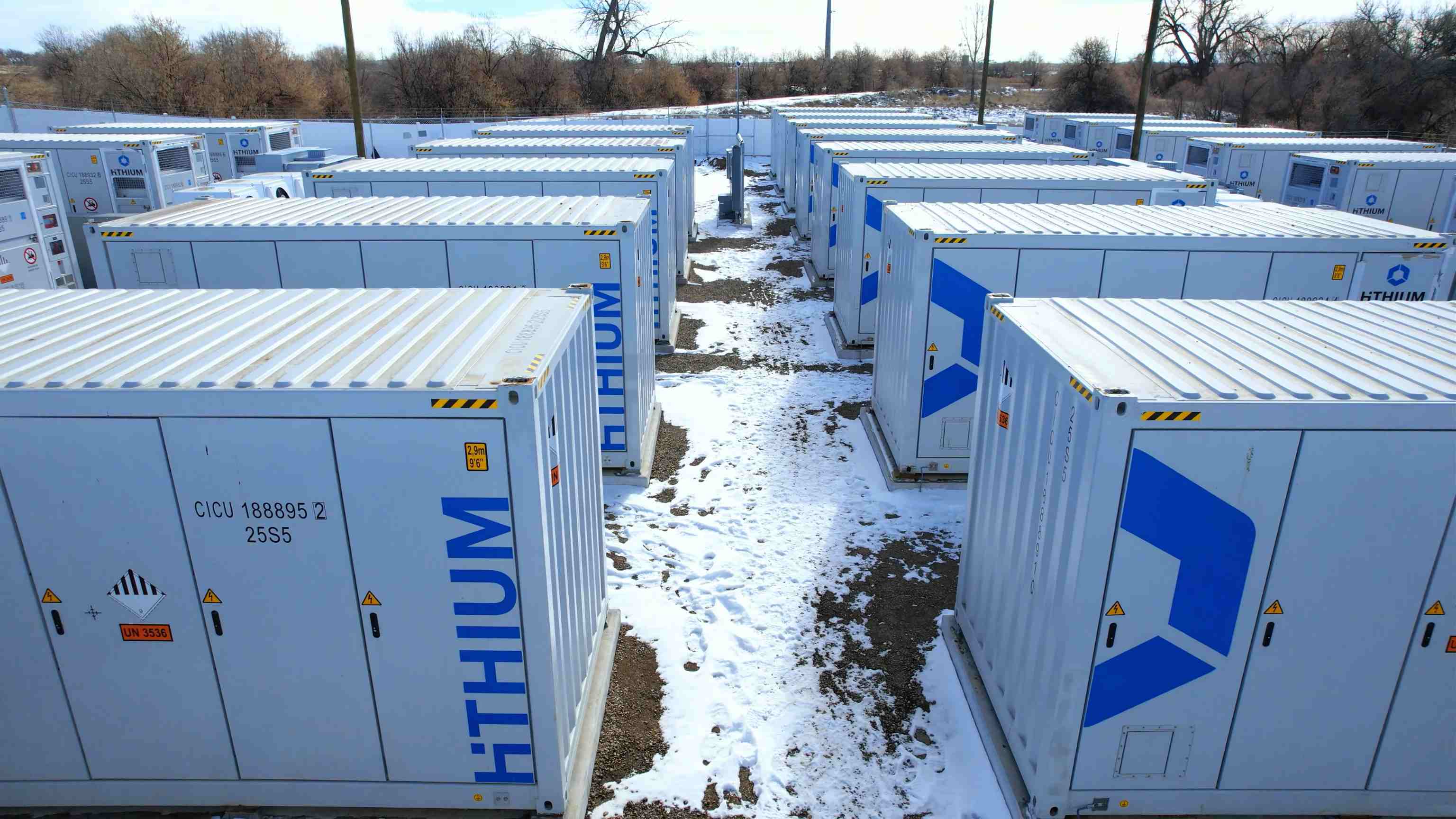
Here’s the kicker I keep seeing: alarms aren’t the same as insight. Traditional playbooks blast the control room with SCADA flags while the EMS chases setpoints, and the crew misses the one SoC imbalance that matters. Vendor silos slow everything—power converters want one firmware, the BMS wants another, and field techs juggle both. I watched a site in Kern County absorb five nuisance trips in a week because a single string hit low‑temp limits while the HVAC trended fine—yes, I winced when I saw that—and no one tied rack‑level temperature gradients to a creeping fan failure. That sight genuinely frustrated me. It’s a hidden cost: time lost, market penalties, and a team stuck in whack‑a‑mole mode. Look, this isn’t wizardry—just wiring, data hygiene, and discipline.
Comparing the Old Playbook with the Smarter Stack
I prefer solutions that fuse physics with telemetry. The old model waits for thresholds; the smarter stack predicts drift. Newer approaches drop edge computing nodes near the DC bus, run model‑based observers on cell impedance, and feed the EMS only anomalies that matter. That cuts alarm storms at the source. In July 2022, our 150 MW/600 MWh project outside Bakersfield moved from fixed threshold alarms to a layered scheme: cell‑level impedance trending, PCS harmonics monitoring, and a thermal gradient map at rack resolution. The result over the next quarter: 14% fewer unplanned derates, a 1.2% round‑trip efficiency gain, and $480,000 avoided in CAISO imbalance charges. I firmly believe the difference came from correlating BMS data with inverter harmonics—one view, one language, fewer blind spots. And when a contactor stuck on a north row, the model flagged it eight hours before a trip—small signal, big save.
What’s Next
Forward, I see three durable shifts. First, digital twins that are simple enough to run on site, not just in the cloud—latency kills when the PCS is juggling fast frequency response. Second, standardized firmware baselines across racks and power blocks, because mixed versions breed ghost faults. Third, market‑aware dispatch that respects cell health—because squeezing that last megawatt at 90% SoC can cost you a cycle you’ll want on the next heat wave. I’ve tested each move on the ground, and the crew feedback is clear: fewer truck rolls, clearer trends, calmer nights. Fold these into utility scale battery storage systems, and you shift from firefighting to foresight—fast. I can hear the contactors clack in my head when we get this wrong—so I’d rather not.
Three Metrics I Refuse to Skip
Let me distill the practical part for procurement managers, IPPs, and EPC leads. 1) Diagnostic depth: demand cell‑level impedance trending, rack‑level thermal maps, and PCS harmonics visibility in one dashboard; without that, you’re guessing. 2) Response pathway: prove that the EMS can push a protective action in under 200 ms from anomaly detection, and show the test logs—no exceptions. 3) Lifecycle math: require a cycle‑cost model that links dispatch to state of health, and check it against at least six months of site data; in 2021 at a 50 MW/200 MWh site outside Abilene, that single check stopped a bidding strategy that would have burned 7% SoH in a year. Summing up, we compared noise to signal, thresholds to models, and late fixes to early warnings—and the numbers carried the day. I prefer systems that make my crew slower to panic and faster to act. If you want a calm control room and a fleet that ages well, choose partners who ship tools, not just promises—brands that back clarity with logs and field results, like HiTHIUM.
