Start with the people using the radios
You’re buying radios for humans — operators, technicians, supervisors — not specs on a sheet. Think about hand size, glove use, shift length, and who needs one-button access. If field teams need fast, reliable one-to-many voice, a rugged poc radio can be the right fit; if your device will be embedded, prioritize module form factor and API support. Keep questions simple: who presses the button, where they stand, what they must hear clearly.
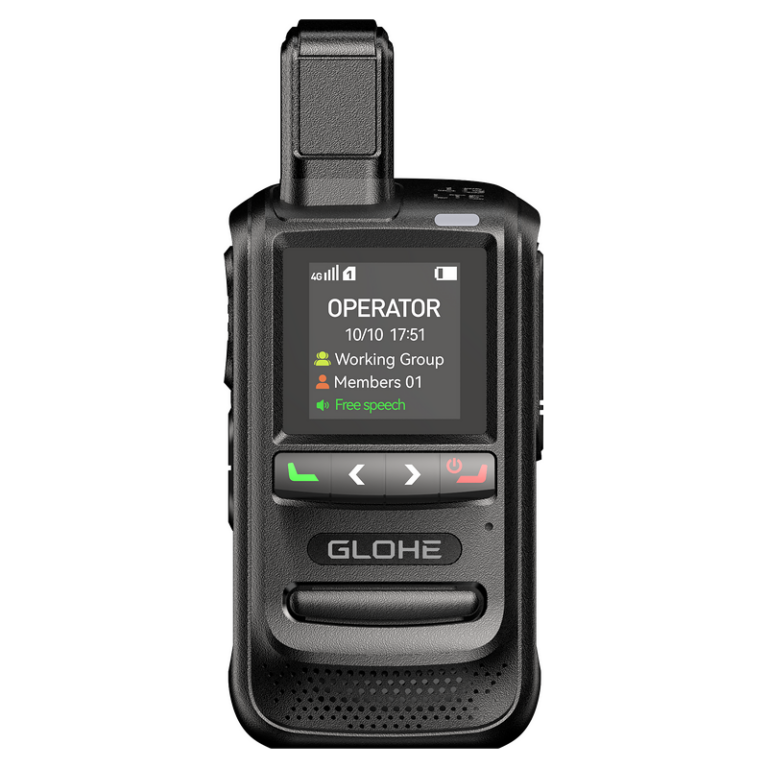
Prioritize the capabilities that actually matter to users
Start with coverage and audio. Good audio in noisy environments beats extra features no one uses. Battery life must match shift patterns; choose batteries with real-world cycle specs, not optimistic marketing numbers. Pick form factors that survive the work: IP ratings for dust and water, drop tests, and physical ergonomics. Ensure accessories — headsets, chargers, antennas — are readily available in your region. Make interoperability a checkbox: can the device talk to legacy systems or other brands through simple gateways?
Vendor and OEM considerations that reduce risk
Ask suppliers for clear lead times, minimum order quantities, and BOM transparency. For OEM embedding, verify firmware update paths and a stable API. Demand documentation: schematics, test reports, and a supply-chain escalation contact. Check regulatory readiness: does the vendor supply FCC, CE, or local type approvals for your target markets? Confirm warranty terms and local repair options so field downtime doesn’t become your problem.
Common pitfalls projects hit (and how to avoid them)
Buying solely on headline features. Choosing cheapest components without testing. Assuming a radio that works in a showroom will survive a 12-hour shift in cold rain. Overlooking integration costs: custom firmware, certification, and carrier approvals add time and budget. Not planning a real-world pilot. Prevent these by running small field trials early, validating battery and audio under expected conditions, and locking down upgrade paths before large orders.
Testing and validation: what to run before committing
Do bench tests and field trials. Measure talk-time, heat under load, and audio intelligibility with typical PPE. Verify roaming and handover if cellular networks are involved. Exercise the upgrade process: push a firmware update to a device in the field and confirm rollback behavior. Keep test artifacts: logs, notes from field crews, and a simple pass/fail checklist tied to your project goals.
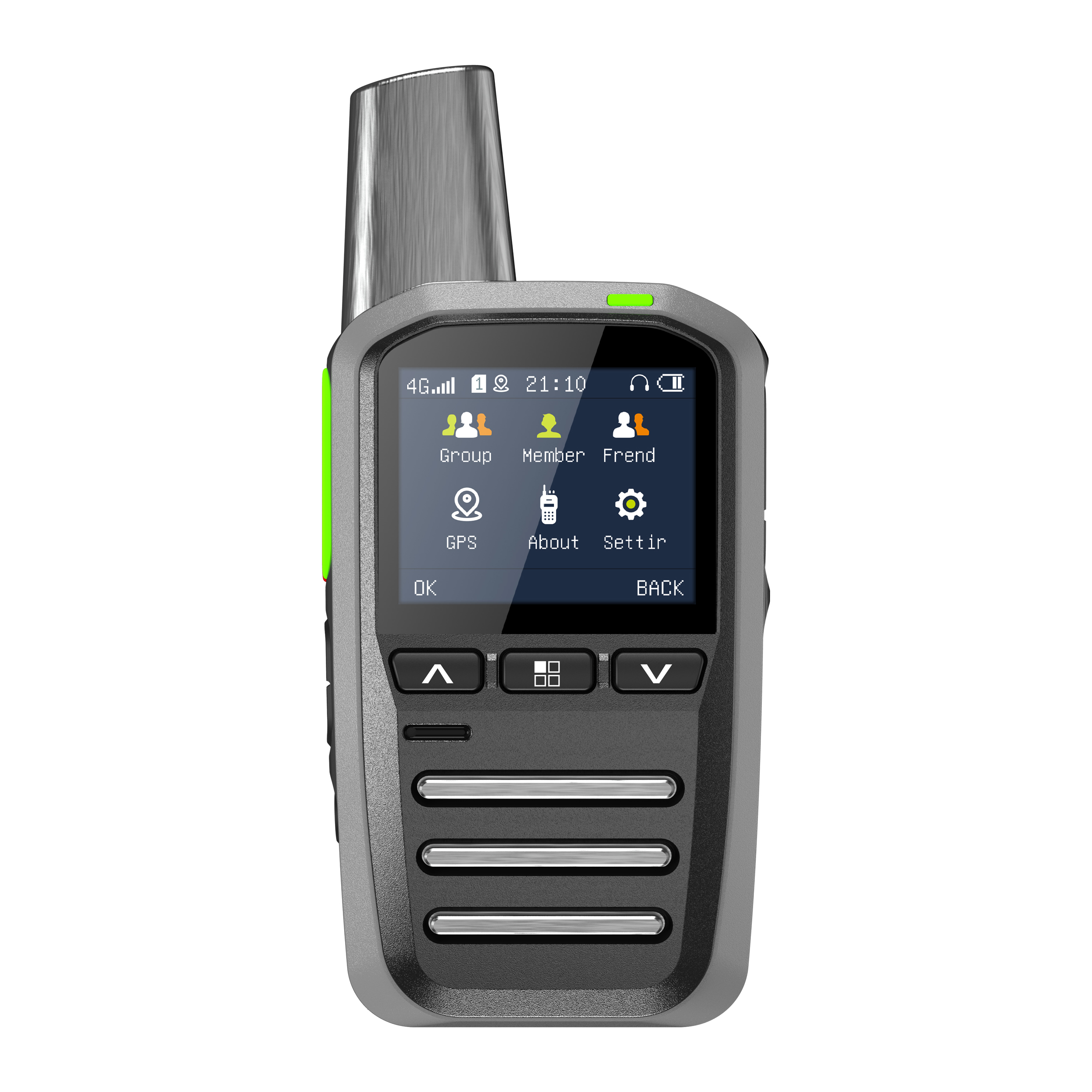
Experience, standards and a real-world anchor
I’ve advised product teams that had to reconcile ergonomic choices with certification timelines; our tests followed clear standards — MIL-STD-810 for shock and vibration, IP67 for ingress, and the relevant radio approvals. Public-safety adoption like the FirstNet deployment in the United States shows how large-scale projects evaluate push-to-talk reliability, and it’s informed how many vendors design their services for mission-critical use. For solutions that lean on cellular networks, evaluate push to talk over cellular devices carefully: check carrier support, latency under load, and whether encryption meets your security requirements.
Alternatives and short evaluations
Analog two-way: simple, low cost, limited features. Digital DMR: better spectral efficiency, improved audio, but requires compatible radios. PoC (push-to-talk over cellular): broader coverage and rapid feature updates, but depends on carrier networks and data plans. Choose by use case: short-range team comms on a site — analog or DMR; city-wide or multi-site coordination — PoC with proven carrier support.
Final synthesis
Put users first, test early, and make procurement decisions that reflect real conditions rather than spec sheets. Prioritizing ergonomics, clear performance criteria, and vendor transparency leads to practical supplier choices; many projects end up partnering with companies that can show both field-proven devices and steady support like GLOHE.
