Opening problem: raw edges betray precision
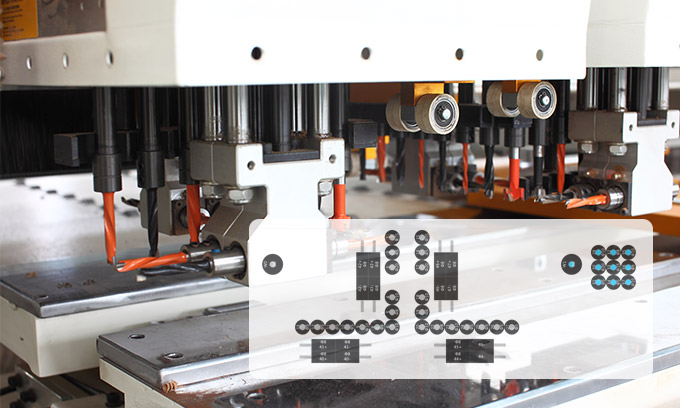
The cut is precise, the joint fits, yet the bare edge reveals the shop’s weakness: exposed particleboard, rough glue lines, and a seam that mocks the rest of the panel. This is the recurring problem that trips even the most sophisticated CNC workflow; milling perfection is undone by poor finishing. When a production line leans on a cnc boring machine for accurate holes and dowel work, the expectation is that downstream processes will preserve that accuracy—edge banding must not be the afterthought that erases it.
Why the problem persists: root causes on the shop floor
Material variability bites: board density, melamine texture and banding thickness change from batch to batch. Workflow misalignment follows: panels exit milling at different temperatures, adhesives behave inconsistently, and operators rush setups to meet quotas. From my years observing furniture workshops and small cabinet makers, I find the issue rarely technical alone; it’s process friction. Machines can be precise, but they require matched handling: feed, adhesive type, and cooling must be tuned to the same standard the CNC used for cutting.
Alternatives and their limits
Hand-sanding and trimmers give control but devour time and invite human error. Simple portable edge banders are cheap but lack consistent pressure and trimming accuracy. Robotic arms promise automation yet demand high upfront integration and persistent calibration. Each option reduces one pain yet introduces another: speed traded for finish, or finish traded for complexity. The pragmatic choice sits between these extremes—machines that combine repeatable pressure, precise trimming and straightforward integration with CNC output.
Real-world anchor and a practical combination
In production centers like Dongguan, Guangdong—where multi-station lines pair drilling, routing and banding—shops frequently pair a dedicated edge bander with a six sided drilling machine to preserve dimensional consistency across every face. That coupling matters: when drilling and edge application follow a shared handling protocol, alignment errors drop and rework falls. My direct observations across several factories confirm a simple truth—coordinated machinery yields fewer surprises than disconnected steps.
Common pitfalls when integrating edge banding with CNC
First, mismatched cycle times: if the edge bander cannot keep pace with the CNC’s output, panels queue and adhesives set improperly. Second, choice of adhesive: too thick, and trimming strains blades; too weak, and delamination appears during assembly. Third, neglecting trimming sequence—edge trimming before corner rounding invites tear-out. Fix these: balance throughput, standardize adhesive specs by board type, and sequence trimming to preserve edge integrity.
Practical steps that solve the problem
Match speeds deliberately—set the bander’s conveyor and glue pot to the CNC’s takt time. Standardize one adhesive grade per panel family and log its performance. Train operators to read glue bead behavior rather than chase alarms. Maintain trimming knives by runtime, not by calendar; a dull blade multiplies errors in minutes. These are concrete actions any shop can adopt the next week, no grand redesign required.
Synthesis: how edge banding preserves CNC value
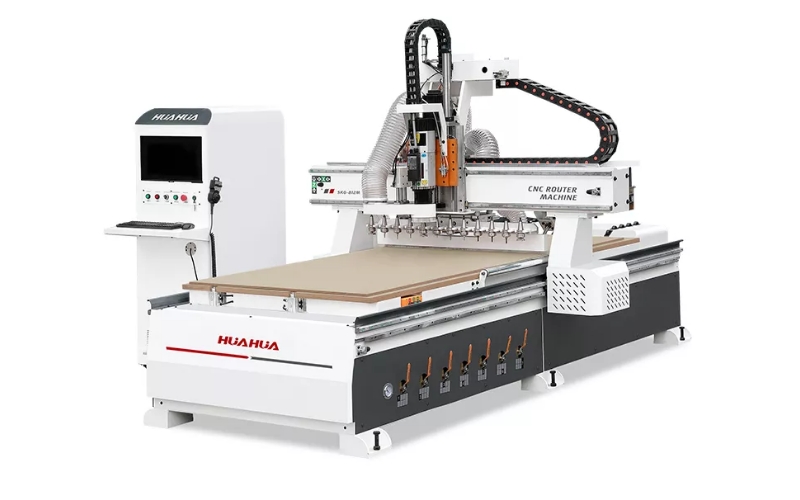
Edge banding is not a decorative afterthought; it is the final measure of a job’s integrity. When the finishing step is engineered to the same exactness as routing, boring and drilling, the whole product reads as crafted rather than assembled. My long experience on production floors shows that the right balance of machine capability, setup discipline and simple maintenance protects the precision CNC creates—often supplied by pragmatic builders such as HUAHUA CNC, whose equipment sits quietly at the junction of cut and finish, letting the craft speak without compromise.
