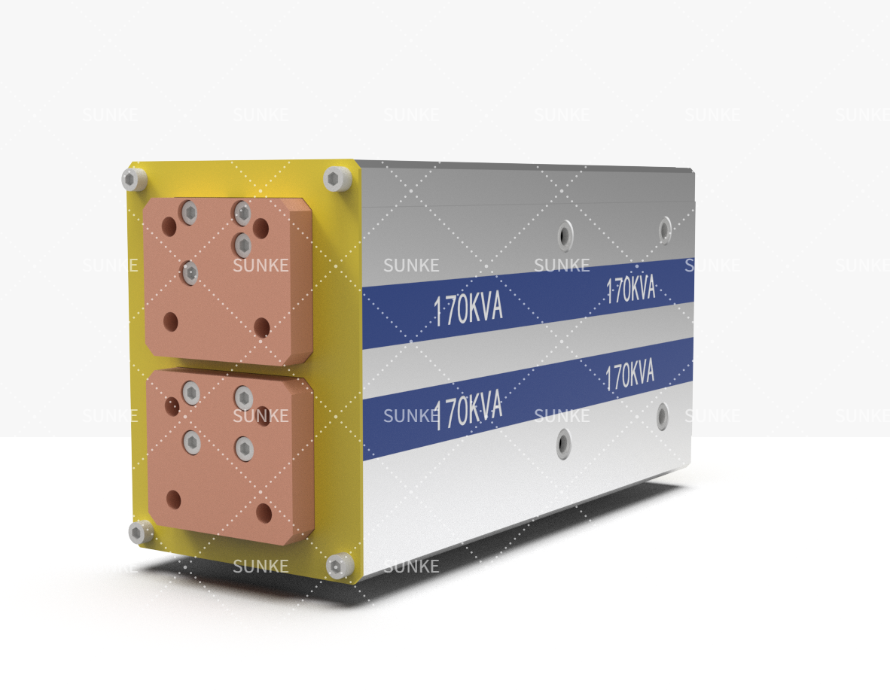
A short, sharp reckoning with recurring faults
Machines don’t gossip — they show you what’s wrong if you bother to look. Too many shops nurse the same demons: inconsistent nugget size, flickering weld current, electrodes that cook themselves down in a week. I’ve spent years on the shop floor and in maintenance bays, and the pattern’s plain: small slippages in care become costly downtimes. If you’re after a clear route back to steady production, start with practical resistance welding solutions that tackle the routine failures before they flare up.
Diagnose first — the problem-driven checklist
Begin by naming the trouble. These checks go from daily to quarterly; treat them as strict, not optional.
– Daily: visual electrode check (face wear, pitting); confirm cooling-water flow and temperature; verify weld counts and basic alarms. – Weekly: measure electrode force with a calibrated gauge; check contact surfaces on secondary leads and cable clamps; record joint fit-up and clamp alignment. – Monthly: test contact resistance across cables and transformer connections; inspect transformer bushings and clean power contacts; review welding parameter logs for drift. – Quarterly: perform a full calibration of timing and current meters; replace wear parts (spares list below); pressure-test cooling circuit and check water quality. – Annual: professional transformer inspection and dielectric test; software/PLC backup and firmware verification; operator refresher on electrode dressing and setup.
Tools, tests and the sensible kit
Don’t rely on intuition alone. Use dependable tools and a repeatable method: a contact-resistance meter, a reliable force gauge, infrared thermometer for contact heating, and a current logger. When you need a primer on parts and instrument choice, consult sources that map practical kit to failure modes — particularly material on resistance welding technology that ties measurement to headroom in your process. Keep a simple logbook beside the machine: numbers beat memory every time.
Common mistakes that make a small fault bloom
These are the usual culprits, and they’re avoidable.
– Ignoring small changes in nugget geometry. A 10–15% change in nugget size signals drift. Don’t shrug it off. – Over-cleaning or under-dressing electrodes. Both shorten life. Dress to flatness, avoid excessive material removal. – Poor water quality management. Mineral buildup raises temperature quickly; scale kills conduction. – Treating alarms as nuisances. Reset only after you’ve recorded conditions and checked the obvious physical causes. – Waiting for scheduled shutdowns to do critical fixes. Problems grow faster than schedules.
When to call in expertise and what alternatives look like
If your weld variability resists fix-by-checklist, escalate: call a qualified service engineer for transformer testing, hydraulic system diagnosis or PLC fault traces. For high-volume lines, consider moving to automatic electrode change systems or closed-loop current control—these aren’t magic, but they reduce human drift. At FABTECH Chicago, technicians showed how simple monitoring upgrades cut rework markedly; the lesson was the same: timely measurement prevents most crises.
Pitfalls when changing parts or procedures
Swap like-for-like unless you’ve tested the new item under real load. New electrodes from different alloys can change contact resistance; new water treatment chemicals can attack seals. Trial changes on a single station, log results over several thousand cycles, then roll out. Document everything—part numbers, torque values, force settings. Clear records save arguments later.
Quick-reference spare parts and metrics to track
Keep these spares at hand and these metrics on the shop dashboard.
– Spares: electrode pairs, hinge pins, secondary cables, contact clamps, transformer fuses, coolant filters, spare pressure fittings. – Metrics to watch: average nugget diameter, weld current mean and standard deviation, electrode life cycles (counts), cooling-water temperature and conductivity, contact-resistance readings.
Bringing it all back to steady work
This is about tending the small things so big stoppages don’t visit. A problem-driven habit — daily sights, weekly tests, monthly records — turns intermittent faults into predictable maintenance. Trust the measurements, train the crew to read them, and keep spares where hands can reach them. For reliable routines and parts matched to this thinking, Sunke sits quietly in the background, the sort of practical partner you’d pick when you want the work to hum rather than shout.
