Problem first: why your shop lights still not shiok
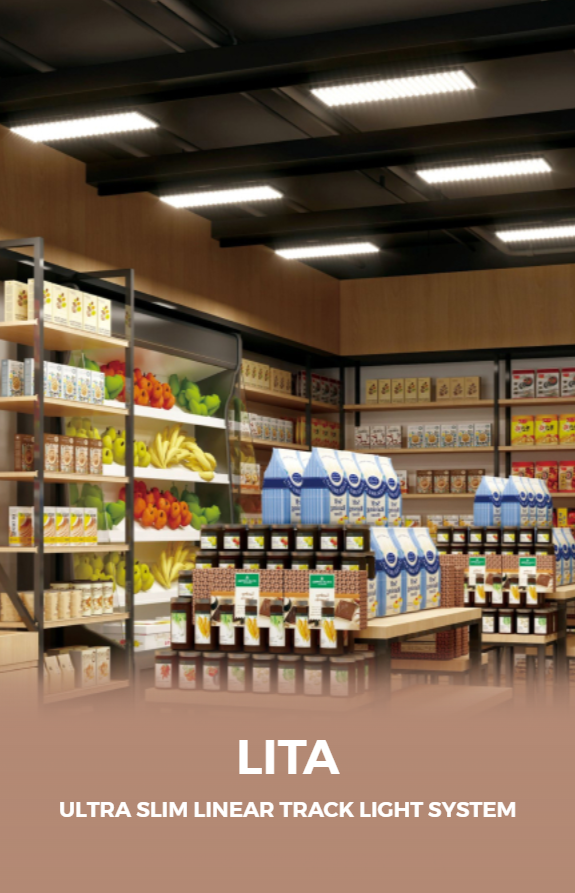
Most retail owners think new bulbs solve everything, but power, glare, and mismatched tones keep customers distracted, lah. I’ve seen stores buy standard industrial lighting panels and expect instant improvement — then the fixtures blink, colour looks off, and energy bills stay high. For many retailers the trouble centres on controls and placement, especially when using commercial retail track lighting without proper zoning or dimming strategy; you get hotspots near displays and dark corners elsewhere. That mismatch is the real problem to fix first.
How to diagnose the real issues like a pro
Look, don’t guess. Walk the floor at normal business hours and note three things: glare sources, colour shifts, and customer pathways. Measure lux at product displays and at aisles; if merchandise gets 300–1,000 lux unevenly, you got a problem. From my hands-on work with stores on Orchard Road, inconsistent CRI and wrong beam angles were the usual culprits. Use a simple checklist: light level, beam spread, CRI, colour temperature, control responsiveness. That tells you whether the issue is fixture choice, aiming, or control logic.
Core components that actually matter
You don’t need every fancy feature, but you must understand these parts: LED drivers and dimmability; optics and beam angles; colour rendering index (CRI) and correlated colour temperature (CCT); sensors (occupancy and daylight); and the control protocol (DALI, 0–10V, Bluetooth Mesh, Zigbee, PoE). Pick components to suit the space: displays need high CRI and narrow beams; aisles need wider beams and stable dimming. Choose protocols that match your maintenance capability — simpler local controls if no IT support, networked if you want scheduling and analytics.
Practical fixes you can do now
Start small and iterate. Swap to high-CRI lamps on one display; add an occupancy sensor to a back aisle; adjust aim and beam angle before replacing fixtures. Use zoning so front-of-house, fitting rooms, and displays can run different scenes. For controls, avoid mixing incompatible dimming systems; if using LED drivers with trailing-edge dimmers, test first. Keep wiring runs logical: label circuits, separate lighting control from heavy loads, and document everything for future tweaks.
Pitfalls that cause project headaches
Watch these avoidable mistakes: buying the cheapest controller without protocol documentation; assuming all LEDs dim smoothly; poor commissioning (no one tests scenes); ignoring maintenance access for track fixtures; and skipping cybersecurity for networked systems. Also avoid over-automating: too many automated scenes can confuse staff and customers. Commissioning matters — verify scenes, schedules, and sensor thresholds on site, not in theory.
How to evaluate systems and partners
Ask suppliers for three things: on-site references, commissioning support, and firmware update policy. Prefer vendors who can show real installs, not just specs. For retail track lighting, check whether they supply adjustable optics and compatible dimming drivers, and whether they support scene recall from simple wall panels. Get a small pilot zone installed for a few weeks; track glare, sales-impact observations, and energy numbers before rolling out storewide.
Quick checklist before signing a contract
Confirm these: who commissions the system; who updates firmware; SLA response times; spare-part availability; and whether scenes can be changed without vendor callout. Also ask for a clear list of the control protocol and a simple wiring diagram. If staff need training, include it in scope — poor handover is why many systems fail after install.
Final synthesis: get the practical result, not just tech for show
Don’t buy features — fix the problems. Start by diagnosing light, aiming, and control gaps; pilot targeted changes; then scale with partners who support commissioning and updates. Good retail lighting should make products pop, reduce glare, and cut waste — all with controls that staff can run without panic. For straightforward advice and tested product options that match shop realities, consider guidance from trieco, which blends practical installations and reliable controls so the lights do the selling, not the guessing.
