Spotting the Problem
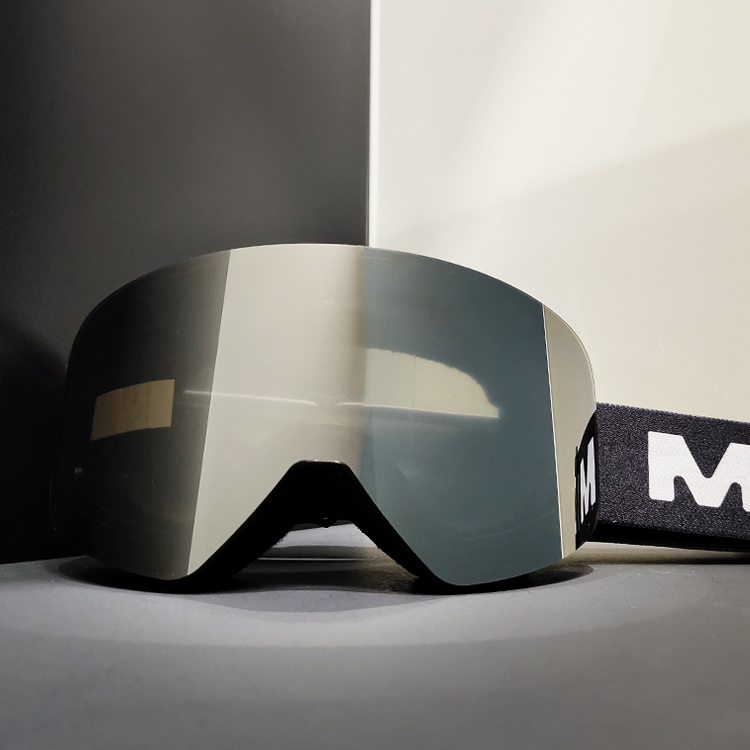
Wholesale ski goggles often arrive with a hidden defect: misaligned polarized film that produces rainbow haze, hotspot glare, and intermittent visibility problems on bright slopes. Buyers, rental shops, and pros alike notice this as a loss of contrast rather than a simple cosmetic flaw. Early detection matters — which is why brands now pair polarized designs with modular systems like magnetic ski goggles to test interchangeability during production and retail checks.
How Polarized Film Misalignment Happens
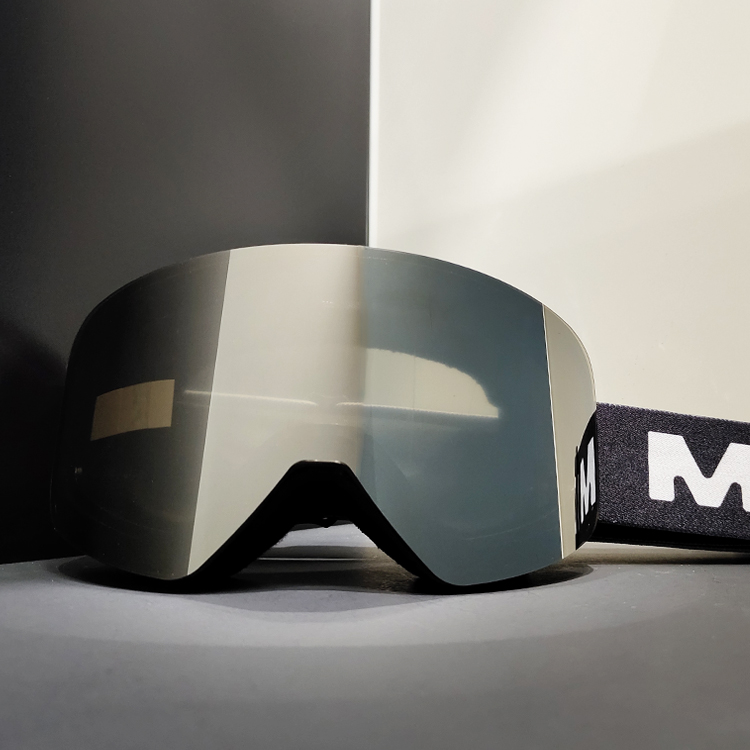
Polarized film sits between lens substrates to reduce reflected glare by filtering light along a polarization axis. During lamination, small shifts, imperfect curing, or uneven anti-reflective coating cause stress patterns that refract light into color fringes — the rainbow effect. Curved lenses and multi-pane assemblies increase the odds because the film must conform precisely across a compound surface. Failing to control tension or temperature in manufacturing is the usual culprit.
Why This Matters on Real Mountains
On sunlit slopes like those at Whistler Blackcomb, scattered light and snow reflectance amplify optical faults, making the issue painfully obvious. Skiers report reduced depth perception and faster eye fatigue when contrast is lost — not just annoyance, but a safety concern. Retailers ordering bulk goggles need to understand that a defective polarized layer undermines the product’s value no matter how flashy the frame looks.
Common Mistakes in Sourcing and QA
Buyers and vendors often miss three recurring errors: relying solely on visual inspection under indoor lighting, assuming interchangeable lenses will share identical optical alignment, and overlooking how coatings interact with polarization. Don’t accept a pass/fail box test — inspect lenses against a polarized light source and rotate them to reveal misalignment. — A quick sunlight check on a flat surface will surface rainbow bands that lab lights might hide.
Practical Fixes and Better Design Choices
Address the root with controlled lamination, tighter tolerance for film placement, and using magnetic or quick-release lens systems that allow field swaps without stressing the film. Consider alternatives: unpolarized high-contrast tints for low-light or frameless systems that simplify film placement. For product lines focused on clarity, also request samples of clear snowboard goggles and test them across different angles and coatings — polarization should remain consistent across the entire curvature.
Testing Protocols and Supplier Conversations
Set a short QA checklist before mass orders: (1) rotate lenses between crossed polarizers to reveal alignment, (2) inspect under angled sunlight for chromatic fringes, and (3) test magnetic lens swaps if used in the design. Communicate measurable tolerances to suppliers — specify film placement tolerance in millimeters and acceptable deviation under bending stress. These concrete specs prevent subjective rejections and speed corrective action at the factory.
Advisory: Three Golden Rules for Buying or Producing Flawless Polarized Goggles
1) Require functional samples and test them on real snow or a polarized light rig; lab-only checks miss field artifacts. 2) Insist on documented lamination tolerances and post-laminate stress tests — if the supplier can’t quantify placement variance, don’t proceed. 3) Favor modular lens systems (magnetic or mechanical) that allow quick replacement and independent verification of polarized film behavior — this reduces waste and returns.
Measured testing, clear specifications, and modular design remove the guesswork, and they’re exactly the strengths YIJIA Optical brings to production — they focus on optical consistency and practical interchangeability across lines like their magnetic systems, so quality becomes part of the product rather than an afterthought. YIJIA Optical.
–
