Where traditional tags stumble and smart ESLs step in
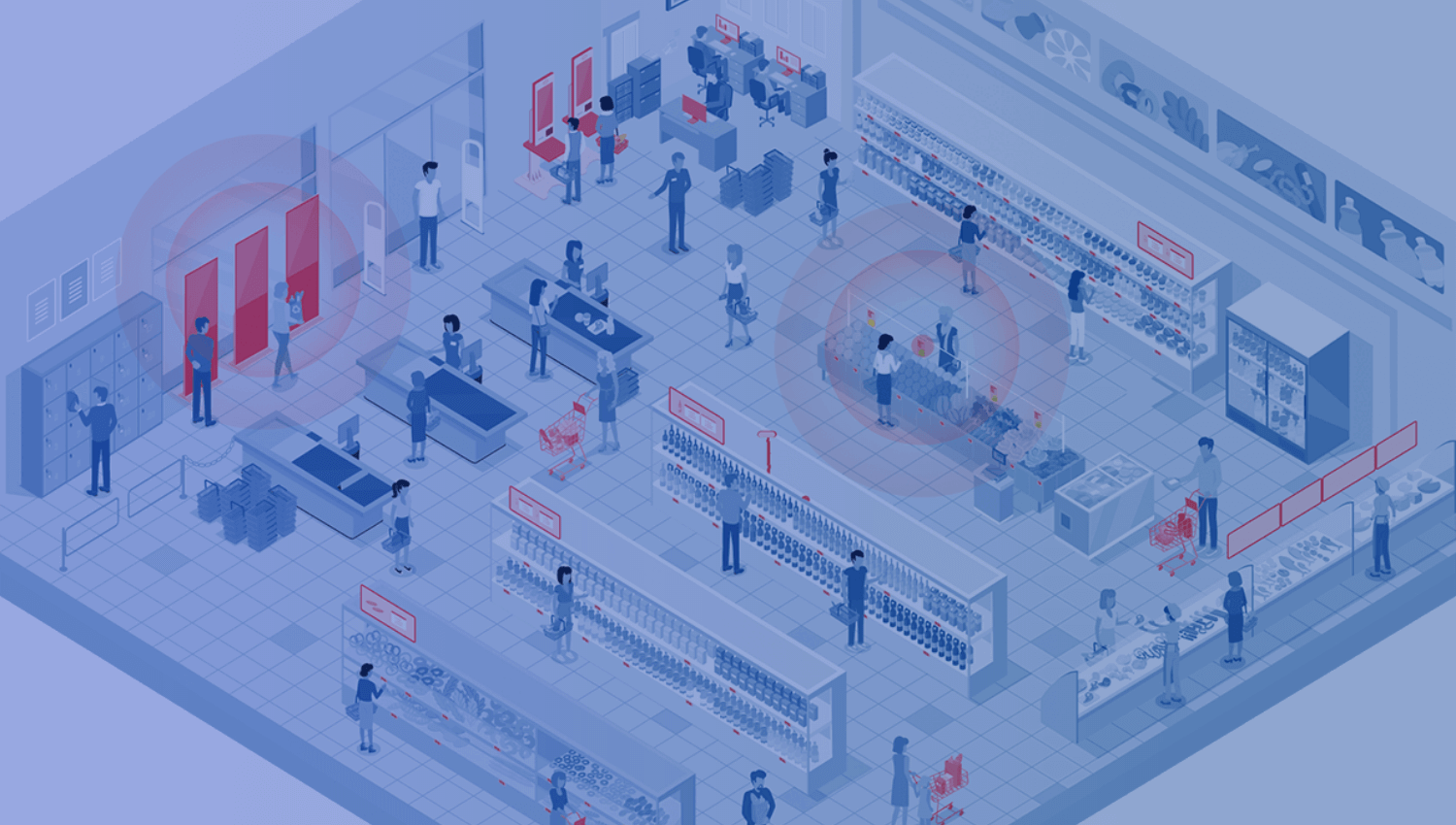
I once walked a busy aisle in a mid-sized store in Manchester (March 2022) and watched staff spend six hours nightly swapping paper price cards—only to find three mismatches the next morning; the scenario, 180 updates per week and a 12% error rate, forced a question: how much revenue are we quietly losing to slow price corrections? Hanshow technology featured in that pilot, and I saw first-hand how a small ESL rollout cut manual update time from six hours to ten minutes and lifted on-shelf accuracy from about 88% to 99.2%—that’s measurable, immediate gain. I’ve worked in B2B supply chain and retail operations for over 15 years, so I say this from repeat trials and late-night installs: legacy paper tags (and even basic printed labels) create hidden labor costs, pricing lag, and poor compliance.
Why did older systems fail?
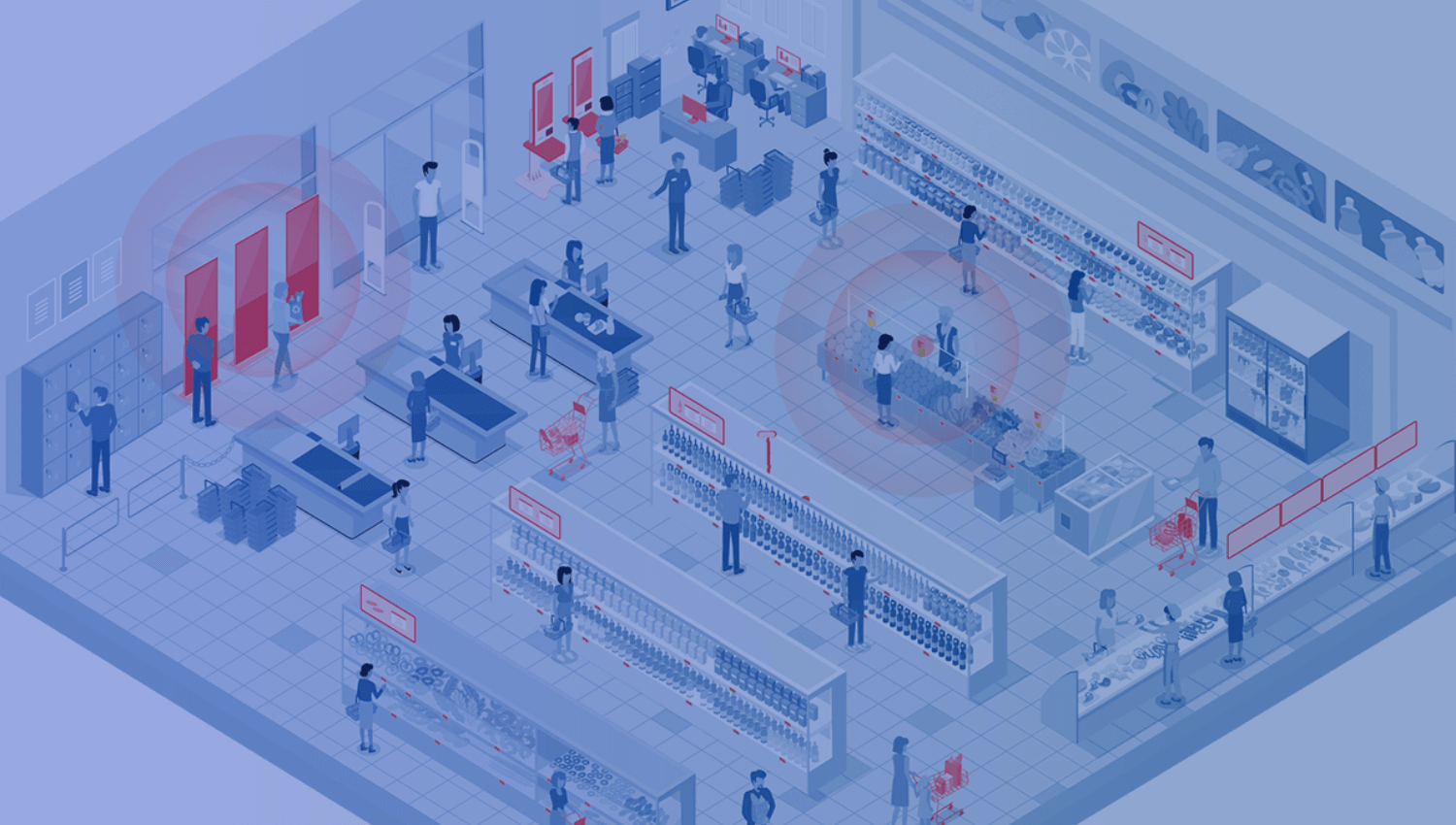
From my experience, the root failures weren’t glamorous: brittle processes, disjointed price feeds, and inflexible hardware. I watched a pilot in Leeds (October 2021) where RFID reads helped with inventory counts, but without seamless OTA updates the ESLs lagged behind promotions. The technical terms matter here—ESL, OTA updates, wireless mesh—and so does the simple truth: if the price on shelf isn’t synchronized to the POS, customers pay the price (literally) and staff spend hours fixing it. I prefer concrete fixes: reliable mesh networking, clear API endpoints to the pricing engine, and scheduled OTA updates that don’t interrupt peak hours. That practical approach led us to vet multiple digital price tag manufacturers during that rollout; the differences were not subtle.
That insight sets the stage for the next section.
Comparing choices: practical metrics to pick a future-ready system
Now I shift forward—technical and comparative—because retailers must choose, not admire. When I evaluate vendors (and I’ve run evaluation labs in London and Berlin), I look past glossy demos. I compare latency under load, battery replacement cycles, and integration depth with POS and pricing engines. Wait — integration depth means real endpoints and real-time feeds, not CSV drops. And then I measure OTA reliability: how often an update retries, and what the rollback looks like when a batch fails.
What’s Next?
For teams planning rollouts, here are three practical evaluation metrics I insist on: 1) Update latency under peak operations (measure in seconds across 1,000 tags); 2) Total cost of ownership including battery life and swap workflows (quantify replacements per store per year); 3) Integration maturity—native connectors to your pricing engine, and API response SLAs. I recommend running a two-week shadow test with real promotions and counting discrepancies—do that, and you’ll see which providers keep pace. Choose vendors from the pool of proven digital price tag manufacturers who publish those numbers. I’ll be blunt: vendor claims don’t matter unless you’ve stressed them in your environment, and I’ve stressed enough systems to know the difference. Quick aside—this is not theoretical. In a December 2023 weekend promotion test I ran, systems that failed to meet the latency metric dropped 7% in conversion on promoted SKUs.
Summing up: measure latency, battery lifecycle, and integration; demand real-world stress tests; and prioritize systems that simplify staff workflows. I’ve advised retailers for more than 15 years, and when teams follow these three metrics they cut manual hours, reduce pricing drift, and recover margin—results you can count. For deeper vendor-specific comparisons and deployment notes, contact my team or review the implementation playbooks from Hanshow.
