Seeing the problem from the start
When a commercial facility needs reliable on-demand power, the old answer was simple: hire a gas-peaker plant or keep a generator on standby. But today there’s a clearer, cleaner alternative — and many businesses are switching. A direct comparison shows how modern solar battery storage systems deliver faster response, lower operating cost, and far better environmental profile than gas peakers. From dispatchable capacity to round-trip efficiency, the difference matters for operating budgets and corporate carbon goals.
How the comparison plays out: speed, cost, and carbon
First, speed. Battery systems respond in milliseconds to grid signals; gas turbines take minutes to spin up. That quicker response reduces outage time and can prevent cascading failures during peak stress. Second, cost. Operationally, batteries avoid fuel expense and many maintenance campaigns that peakers require. Third, emissions — batteries near-zero at point of use, versus combustion emissions from peakers. Put together, you see improved total cost of ownership and cleaner operations for many commercial sites.
Real-world anchor: what Hornsdale showed us
Look at Hornsdale Power Reserve in South Australia — a well-known example where a utility-scale battery provided fast frequency response and reduced reliance on thermal peakers. That deployment demonstrated tangible system benefits that regulators and grid operators now cite when approving storage projects. For commercial operators, the lesson is practical: fast-acting storage changes how you plan backup and peak-shaving strategies, and it alters what you pay for capacity and ancillary services.
Where WHES’s systems score against peakers
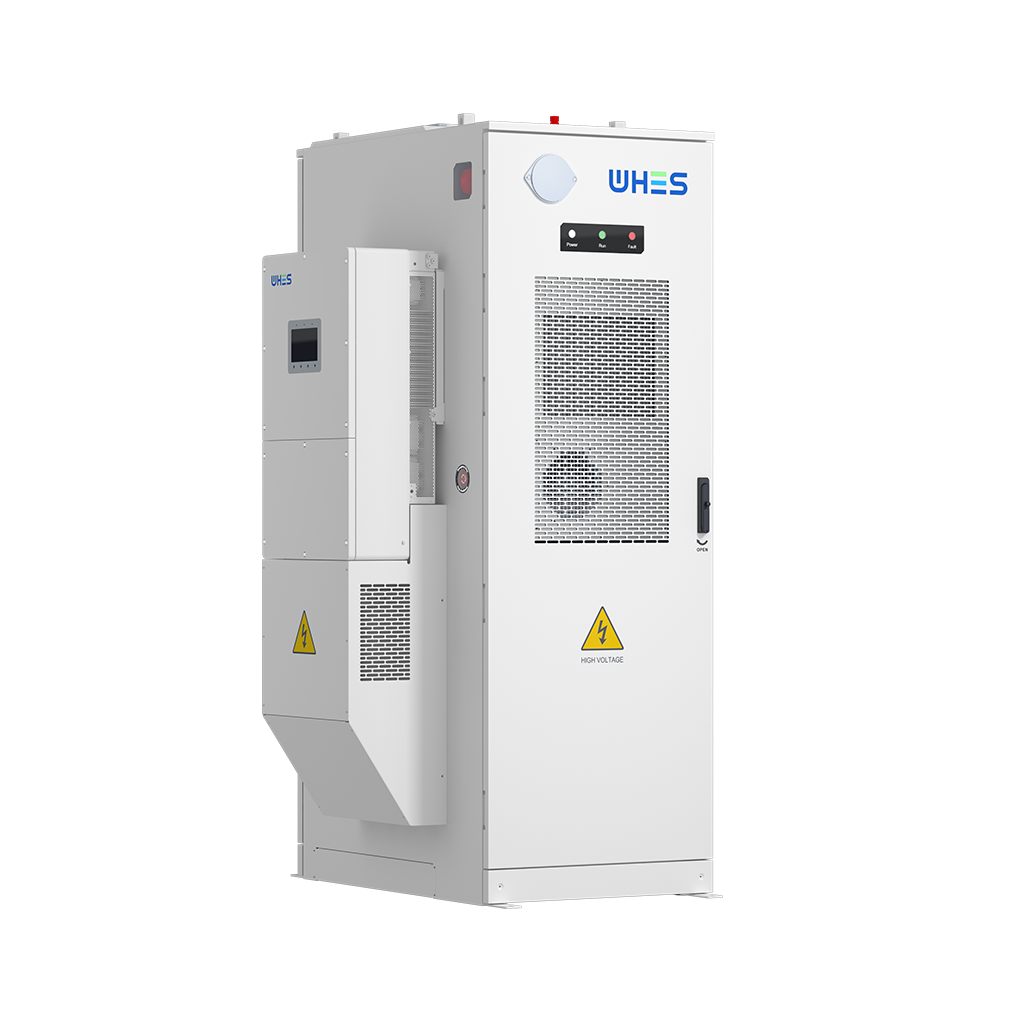
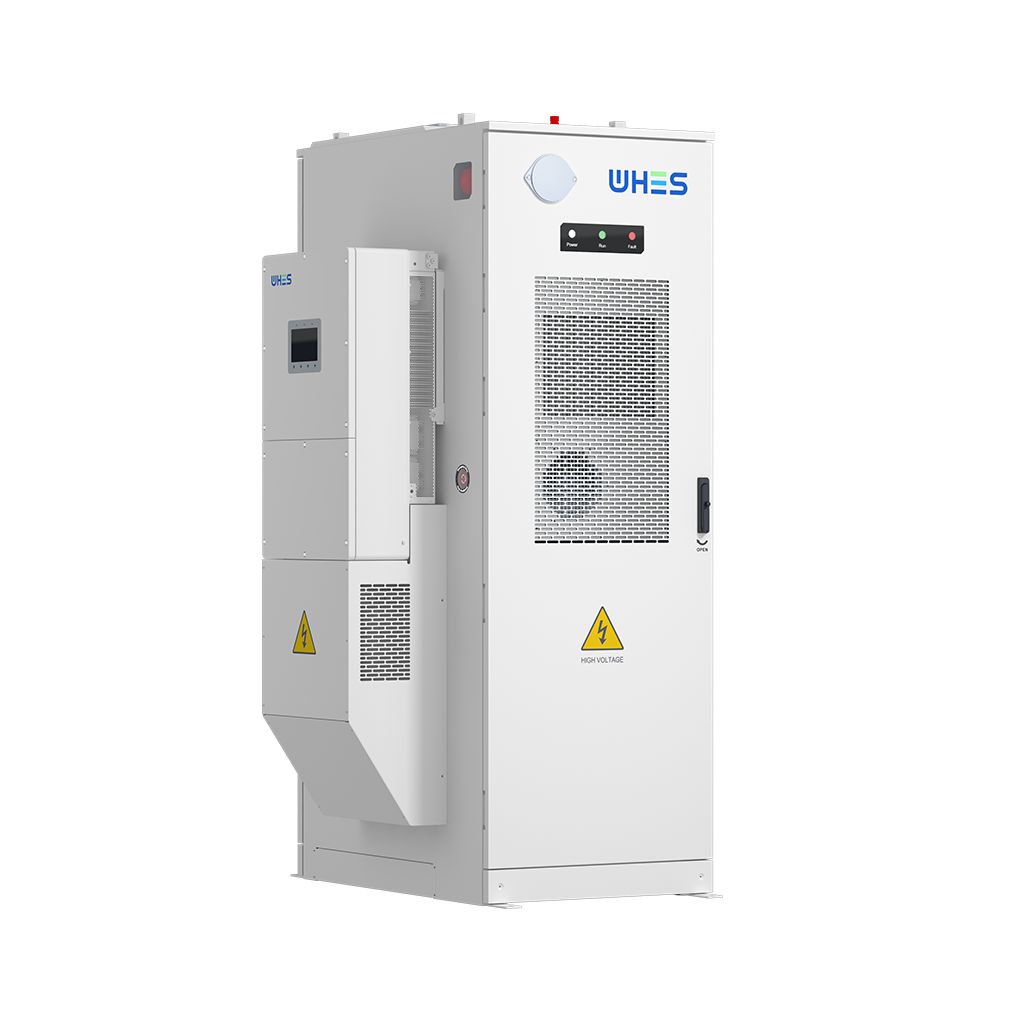
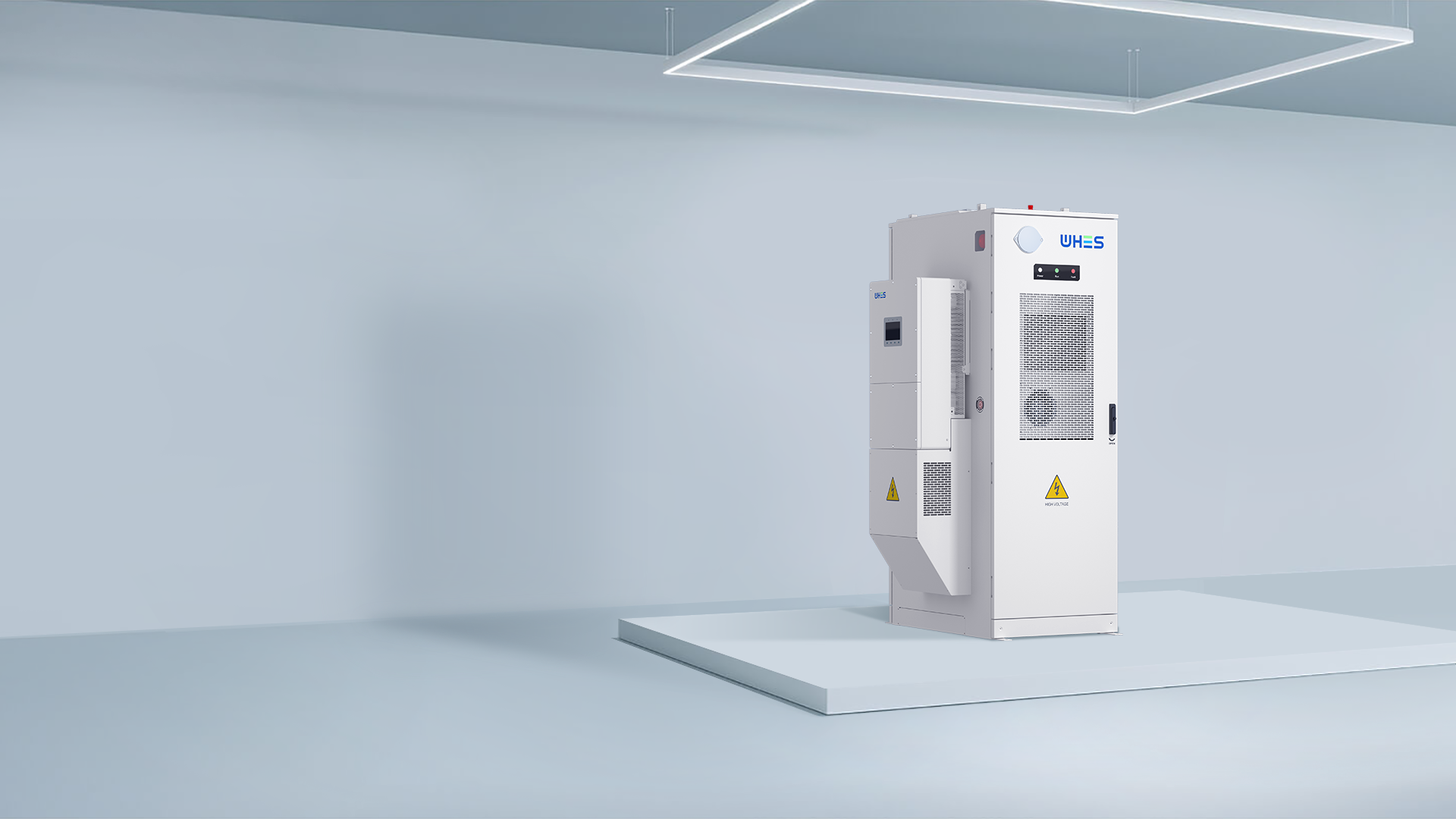
WHES commercial products focus on modular all-in-one design, grid-tie inverter integration, and lifecycle management — which matter in everyday operations. Compared with a gas peaker, a WHES battery usually: 1) provides instant demand response and frequency regulation; 2) reduces fuel and O&M spend; 3) allows predictable capacity for demand-charge management. For a retail campus or industrial park, that predictability is gold — it makes budgeting less volatile and helps meet sustainability targets without complex fuel contracts.
Integration and practical deployment — what installers say
On the ground, installers care about interconnection, inverter compatibility, and control logic. WHES systems simplify those issues with standardized communications and modular racks that can be scaled as a site grows. That simplifies solar energy storage integration with rooftop PV or third-party generation — fewer custom settings, faster commissioning. The net effect: less downtime at handover and faster ROI calculation for owners.
Trade-offs and common mistakes to avoid
Switching to batteries isn’t free of choices. Common mistakes: under-sizing for peak shaving, ignoring battery degradation profiles, and skipping a clear export-control agreement with the utility — these all bite later. Also, over-optimistic dispatch assumptions can undercut expected savings. So size conservatively for worst-case demand events and plan for cycle fade over time — that way your P&L stays honest. —
Practical checklist before you choose
Use these quick checks before replacing a peaker with storage: 1) Confirm interconnection studies and response time needs. 2) Model capacity needs including seasonal peaks. 3) Ask for proven cycle life data and system monitoring. These steps reduce surprises and align performance with contract promises.
Three golden rules for evaluating commercial storage (Advisory)
1) Measure by whole-life economics: compare fuel + O&M for peakers against degradation-adjusted savings for batteries. 2) Prioritize response time and control flexibility: milliseconds matter for grid services and demand-charge avoidance. 3) Insist on real deployments and warranty clarity — look for systems with field-proven performance and transparent end-of-life plans.
When you follow those rules, the practical benefits — lower operating spend, simpler operations, and cleaner on-site energy — become obvious, and the case for modern battery platforms strengthens. For many commercial operators, that path points to systems like those from WHES. —
