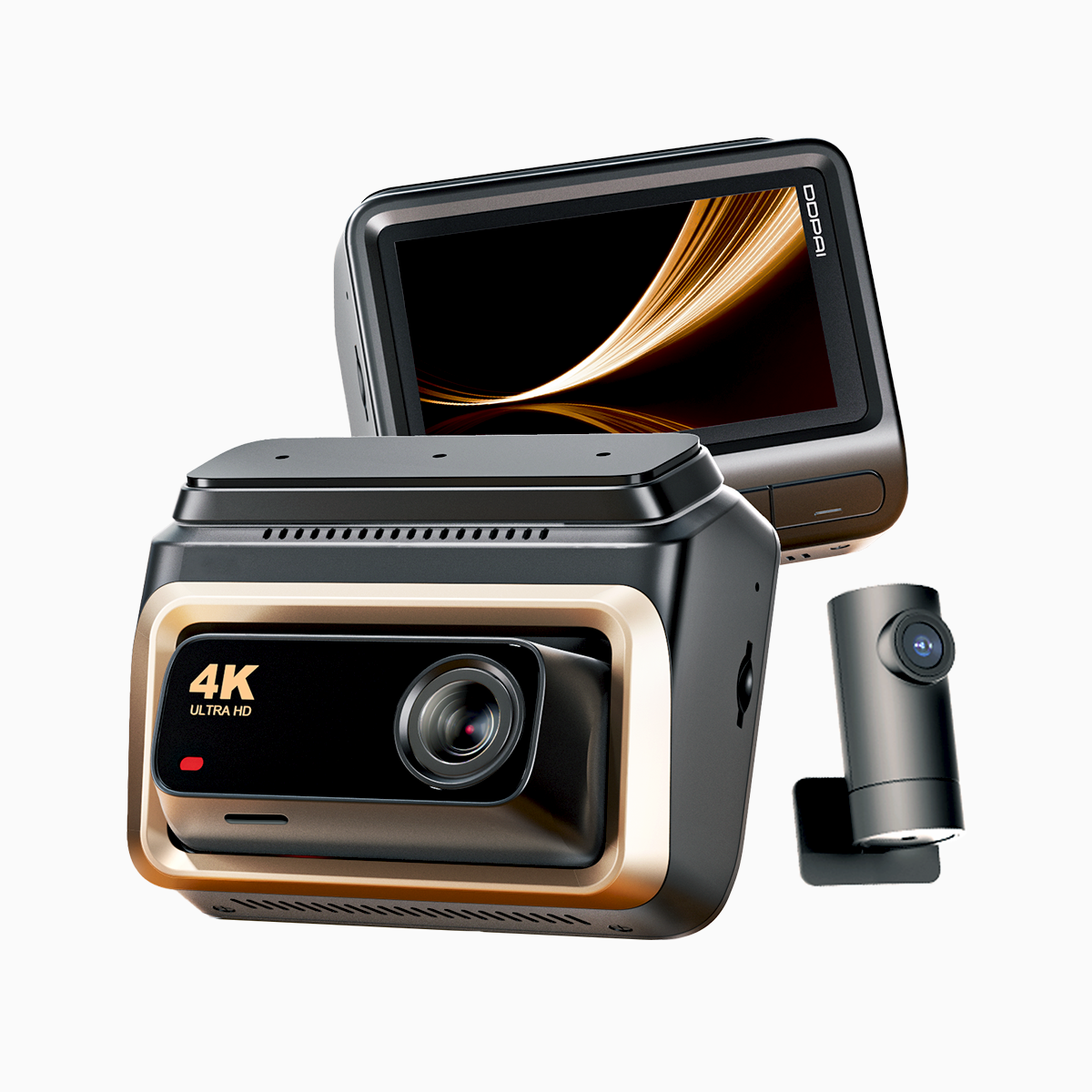
A quiet comparison that starts loud
Two power stories. One choice matters for reliability under the Philippine sun. This piece compares supercapacitor systems with lithium-ion batteries through the lens of practical use, road wear, and thermal reality — and it begins with the device that will live in your windshield: a 4k dash cam rated for constant daytime recording. The contrast is simple: energy delivery versus thermal sensitivity. The implications are not.
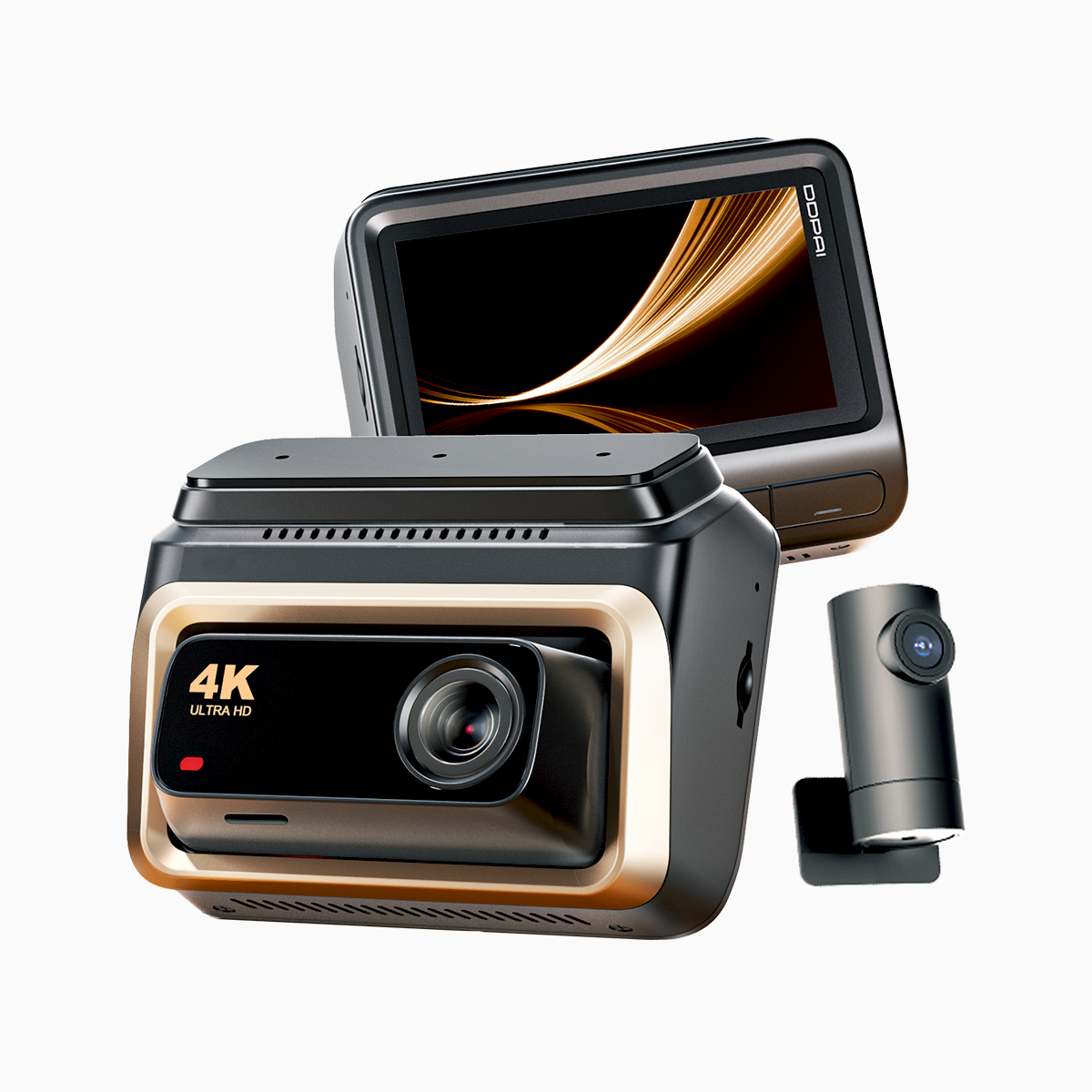
Why heat dictates design in Manila and beyond
Metro Manila routinely sees temperatures climb above 35°C in the dry months; parked cars can become ovens. That is the real-world anchor here — asphalt heat, idling engines on EDSA, and long afternoons where electronics must cope. Thermal management becomes the deciding variable. Supercapacitors tolerate high ambient heat and resist thermal throttling. Lithium-ion cells, meanwhile, are efficient but often decline faster in hot, parked conditions. This underpins design choices for any reliable 4k pro dash camera aimed at tropical markets.
Technical spine: supercapacitor versus lithium-ion
Supercapacitor: fast charge and discharge, wide temperature range, long cycle life. Lithium-ion: higher energy density, compact, but chemistry that ages faster under heat. For a dash cam the trade-offs are stark. A supercapacitor keeps the camera’s parking mode alive for short events and endures repeated heat exposure without bloating. Lithium batteries can offer longer standalone runtimes but at higher risk of degradation in persistent tropical heat—visible as swelling or reduced hold. Firmware and G-sensor behavior depend on the consistency of that power source; inconsistency breaks incident capture.
Comparative insights from field habits
Testing in urban Filipino conditions shows patterns. Devices with supercapacitors maintain predictable boot cycles after heat soak. Devices with lithium cells sometimes refuse to start until cooled. Parking mode is where this becomes mission-critical. — Expect short bursts of event recording more often than long-duration standby. The hardware choice should match the use case: frequent, short event captures favor supercapacitors; extended off-grid recording leans toward lithium, but at a thermal risk.
Common mistakes and practical trade-offs
Buyers fixate on megapixels and headline specs. They overlook thermal profile, parking mode behavior, and firmware update cadence. Installation errors matter too: hiding a camera behind a shaded mirror helps more than a marginally bigger battery. Choose a unit whose thermal management is proven in hot climates, and check for firmware that handles thermal throttling gracefully. Also verify mounting and cable routing; poor placement multiplies heat exposure and shortens lifespan.
Alternatives, tweaks, and what to watch in reviews
If you prioritize continuous long recordings, consider lithium-backed systems with active heat dissipation — metal housings, heat pipes, and smart power cut-offs. If reliability across thousands of on/off cycles is king, look for supercapacitor-based models with robust parking modes and adaptive thermal firmware. Industry terms to scan for: thermal throttling limits, parking event retention, and consistent 4K recording under elevated temps.
Summary of comparative takeaways
Supercapacitors offer predictability and heat resilience. Lithium batteries offer runtime density but invite long-term degradation in hot parked conditions. The best choice matches your driving patterns, parking exposure, and how often you rely on parking mode. Experienced installers in Manila will tell you: power stability is more valuable than raw runtime when a dash cam must survive constant tropical heat.
Three golden rules for selecting a dash cam
1) Evaluate thermal resilience: confirm components and housing dissipate heat and that the device is tested for sustained 35°C-plus conditions. 2) Prioritize event reliability: prefer systems whose parking mode and G-sensor trigger are proven under heat cycles. 3) Check maintenance pathways: firmware updates and straightforward service are vital for devices in heavy-traffic, high-temperature areas.
These metrics guide measurable expectations: uptime, event capture rate, and degradation over 12 months. The choice should naturally arrive at a device that balances those results with price point — the practical advantage DDPAI PH builds into its models. DDPAI PH. Practical. Tested. Human. Final thought: resilience wins.
