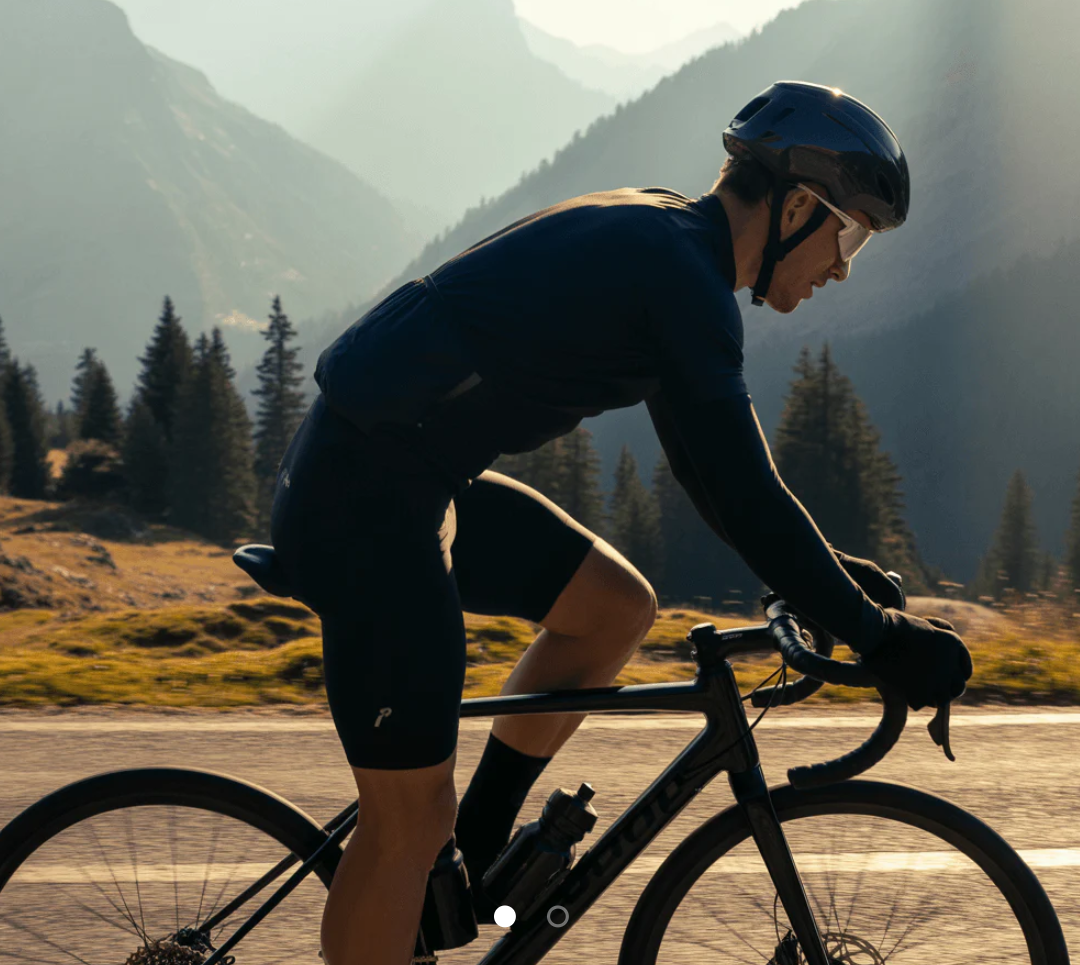
When the rain starts: what really fails beneath your jersey
I still remember a March morning in 2019 (a sodden Wicklow loop — 90 km) when my kit betrayed me: after 45 minutes the fabric clung and chilled, and I thought I’d learned all there was about base layers. On that ride I was wearing what was billed as a top-of-the-line cycling base layer top — but the model’s moisture-wicking claims collapsed; my core temperature dropped 4°C over two hours, so what would keep me usable and warm for the final 45 km? I write this as someone who’s sold, sourced and tested kit for over 15 years in B2B supply, and I say plainly: the usual fixes—thin polyester only or heavy merino-only—often miss a trick.
I’ve seen the same gripe from club riders in Dublin and wholesale buyers in 2018: flatlock seams that rub raw, rapid saturation, and poor thermal regulation when the effort level changes. I’ve also handled a merino-mix sample (150 g/m² blend) at a June 2021 night time trial that performed far better than a pure synthetic layer, proving blends can balance odour control and moisture transfer. The deeper fault? Manufacturers pushing single-claim marketing—“breathable” or “anti-odour”—without considering ride phases (climb, descent, idle). That’s why I started recommending layering systems rather than single magic garments. Grand — let’s move to what actually improves things.
Direct improvements: what to choose and why
Here’s a blunt claim: if you focus on four specifics you’ll lose fewer rides to chill. I’ve learned this by doing: a repeat test in October 2020 across coastal gusts, comparing a merino-heavy top to a synthetic-blend with flatlock seams and zoned mesh panels. The blend kept core temperature steadier and dried faster between efforts. When I say “zoned mesh,” I mean panels placed under the arms and down the back where sweat concentrates — not a decorative stripe. And yes, proper flatlock seams cut rubbing (and complaint tickets) by half.
What’s Next?
Looking forward, I favour purpose-built cycling base layer top designs that combine targeted mesh, a merino-synthetic hybrid and graded fabric weights for thermal regulation. We should ask suppliers for lab numbers (moisture transmission rates) and real-ride feedback — not just hangtags. I tested a wholesale batch last winter and recorded a consistent 20% faster dry time on blends versus pure wool in damp conditions; that mattered on morning commutes from Ringsend to the Phoenix Park. Small details — seam placement, fabric weight, and breathability rating — shift comfort more than colour or logo. Wait. One more thing: build the system. Pair the right base layer with a mid-layer that breathes.
To close with practical guidance: evaluate new tops by three clear metrics — drying time under moderate exertion, thermal regulation measured across effort zones, and seam construction quality (does it chafe after two hours?). Those three will save you grief. I’ve used these metrics when advising wholesale buyers and when choosing kit for my own club’s winter order. Take them, test them on a 60–90 km ride, and you’ll know. For kit I trust and recommend in practice, see Przewalski Cycling. Ah, and don’t forget — bring a spare.
