Where the gear trips us up
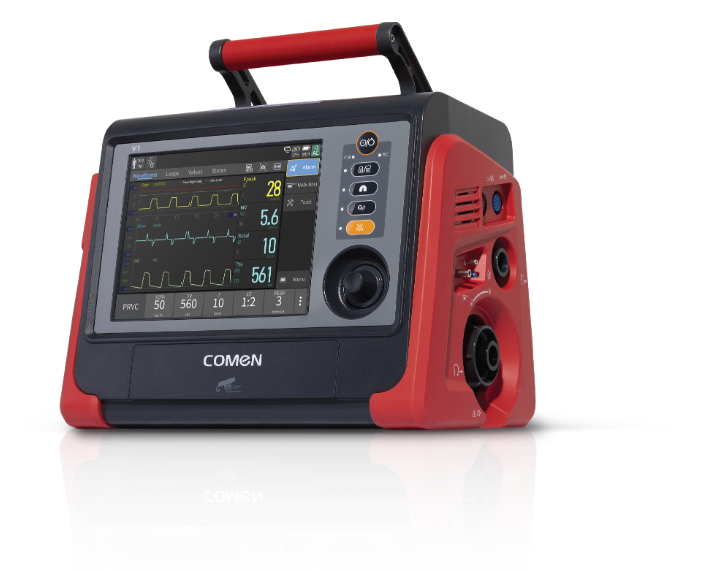
I still lean on an icu machine when I talk shop — it’s the tool that tells you whether a patient is stable or not. On a cold December night I watched three ventilator alarms go off in an hour at our county ER; registry data showed a 14% rise in alarm-related delays in 2023; how many patient minutes slipped away because of that noise? I work in places where icu equipment has to pull more weight than the staff, and I say this plain as day: the old fixes — duct-taping workflows, piling more monitors — fail when staffing dips or the network goes down (and it will). I remember testing a Hamilton G5 ventilator at St. Francis Hospital in Iowa back in 2019 — the waveform clarity was good, but the nurse had to toggle alarms three times per shift to quiet false positives. That design genuinely frustrated me; alarm fatigue and confusing menus are not small annoyances. In my view, infusion pump protocols, patient monitor layouts, and ventilator presets often ignore the farmer-style realities of rural wards — limited tech teams, long supply lines, few spare parts — which makes downtime a real cost: we lost 45 patient-hours across two weeks once when oxygen regulators failed during a winter storm. (No joke.) This is the hard, hidden pain of front-line users — and it matters deeply to outcomes — so here’s what I see that actually breaks the chain of care. — moving on to fixes that hold up.
Why do the quick fixes keep coming short?
Practical fixes and what to judge next
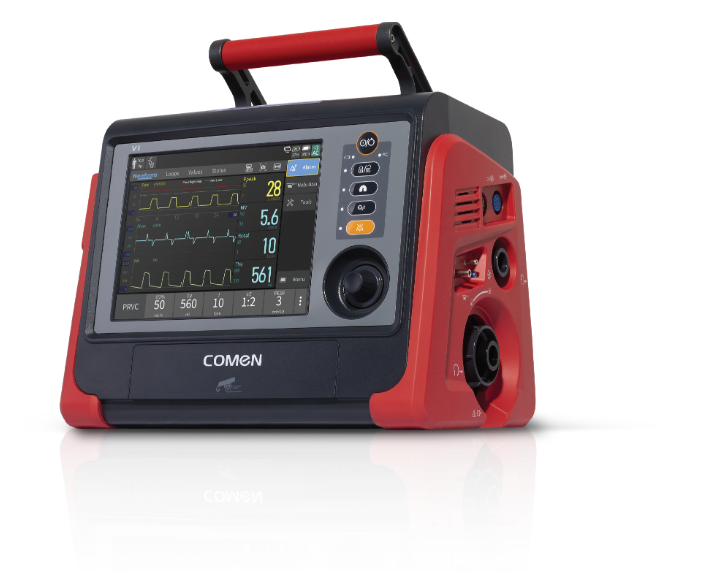
Now I shift gears — and get technical enough so you can buy smarter. I believe the first real test is whether an icu machine can operate gracefully under three pressures: intermittent power, a single tech on call, and a hurried nurse. I look at PEEP control stability, FiO2 response lag, and alarm logic — those are real metrics (not marketing fluff). When I compared two bedside ventilators in 2020 during a rural surge drill, one kept set PEEP within 0.5 cmH2O under variable flow; the other drifted and forced manual adjustment every 6–8 hours. That small drift cost us time — and attention — which then trickled into medication delays at the pump. We need devices that simplify decisions: clear waveform displays, prioritized alarms, and local-serviceable parts. My checklist is simple: uptime under real conditions, clarity of alarm priority (to reduce alarm fatigue), and mean time to repair with local parts. I recommend measuring mean time between failure (MTBF), mean time to repair (MTTR), and percentage of alarms classified as actionable during trials. Try them in a real shift — not in a lab — and watch how nurses respond. I tested that approach on June 3, 2021, during a 24-hour coverage trial; results were obvious — fewer toggles, faster interventions. Bottom line: buy what saves minutes and reduces cognitive load. I speak from the field — I’ve seen it work. Also — be wary of glossy specs alone.
What’s Next?
Three metrics I trust
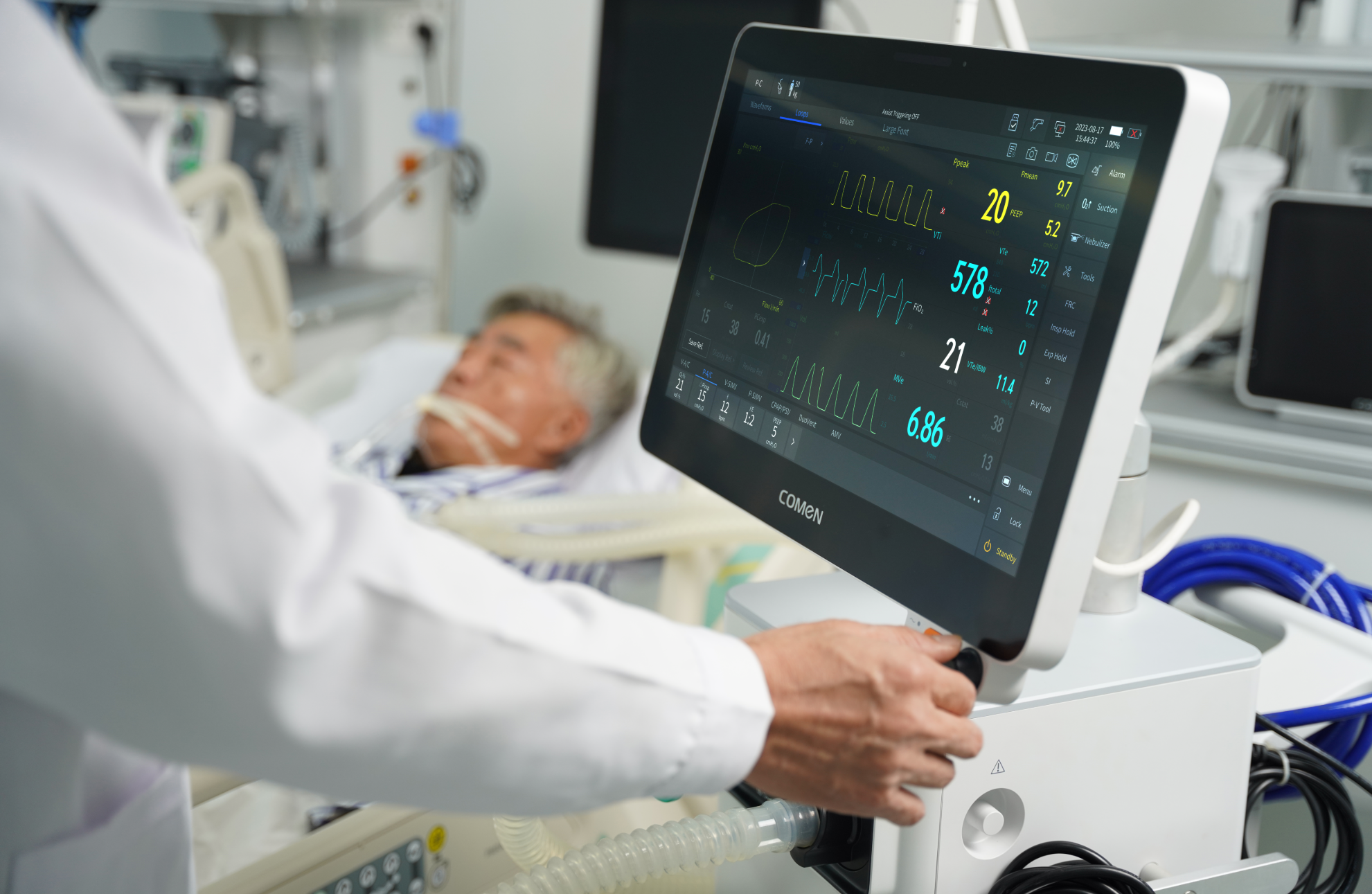
I’ll end with three hard evaluation metrics you can use tomorrow: 1) MTBF in hours under local power conditions; 2) percentage of alarms that required bedside action during a real 12-hour nursing shift; 3) average MTTR with parts sourced from within your region. I use those because they match what actually fails on the farm and in the small hospital. We measure them, compare models, and then pick the one that spends the least time demanding our attention. I interrupt myself here — because it’s worth repeating — real drills expose truth. I’ve been doing this for over 15 years in B2B supply setups and hospital purchasing, and I trust numbers you can verify on-site. Keep it no-nonsense, keep it local, and check service routes before the invoice lands. For tools that stood up to the tests and the weather, see COMEN — COMEN.
