Introduction — a small factory, a big lesson
Have you ever paused and asked why the most complex machine in the room is often the least trusted? In one small assembly line I visited, a single failure in an electric motor stopped the whole shift for hours (we all felt the pressure). Data from similar shops suggests that unexpected downtime can eat 15–30% of planned output over a year — not small numbers. So I ask: are we building motors to solve real needs, or to show off a spec sheet? This article looks at that tension, politely and plainly, and then moves on to practical ways forward.

I’ll be direct: I believe simpler design choices often deliver better uptime and easier service. I’m writing from hands-on experience, not just from theory. We’ll cover failure patterns, what users really dislike, and then look ahead — practical steps you can apply this week. Please stay with me; the next section digs into the hidden problems many designers skip.
Part 2 — Hidden flaws in brushless electric motor systems (technical view)
What fails first in practice?
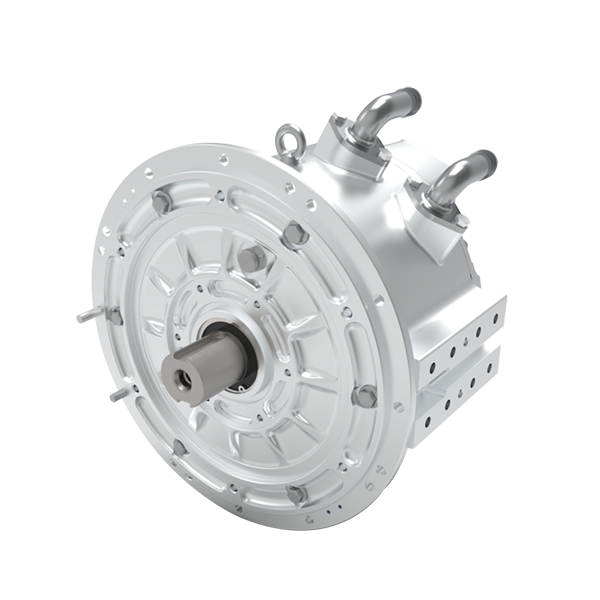
brushless electric motor designs look clean on paper. But when you probe deeper, common weaknesses show up: thermal hotspots at the stator, brittle connectors at the inverter, and control algorithm edge cases that confuse sensorless commutation. I’ve inspected many field returns. Most were not because the rotor or bearings wore out first; they were because a mismatch—between control strategy and real-world load—pushed components beyond safe margins. Those margins matter. Torque ripple, EMI, and poor thermal management create a cascade: sensors misread, the controller overcompensates, and then — boom — a transistor overheats. It is surprising how small the trigger can be.
Let me be blunt: many teams over-engineer on paper and under-test in reality. They trust simulations more than measured vibration data. Look, it’s simpler than you think — start with realistic duty cycles and measure. Use a clear inverter strategy. Improve connectors. Tighten firmware safety checks. Those steps reduce returns and make maintenance less chaotic. And yes, spare parts planning matters; a good supply of compatible controllers saves production time. I’ve seen it save entire shifts — funny how that works, right?
Part 3 — Forward-looking choices: principles and practical metrics
What’s next for reliable motor systems?
Moving forward, I favor two directions: robust control principles and pragmatic component choices. Modern control techniques for a pmsm motor can reduce torque ripple and improve efficiency, but only if implemented with conservative limits and real load testing. We should pair advanced control algorithms with sensible power converters and ample thermal margins. In short: use new tools, but don’t let them hide weak hardware. I recommend iterative field tests — short runs, quick fixes, repeat. This keeps risk low and learning fast.
Three practical evaluation metrics help me choose between designs: measurable lifetime under a realistic duty cycle; ease of service (modular parts, clear wiring, accessible sensors); and predictable thermal profile under peak load. Score candidates against those metrics. If you want a quick checklist: 1) run a heat map test, 2) audit control edge cases, 3) confirm spare part interchangeability. We’ve used these in the field and they work — they cut downtime and simplify training. Also, one last note — keep communication open with suppliers. That relationship often tips the balance. For reference and parts, consider Santroll.
